
Calypso (Greek mythological nymph of Ogygia)
Calypso, a nymph in Greek myth, detained Odysseus on the remote island Ogygia. This article outlines her role in the Odyssey, origins, symbolism, later reception, and the contested geography and interpretations of her story.
Calypso (Greek: Kalypsō) is a figure in ancient Greek mythology most famous for detaining the hero Odysseus on the hidden isle of Ogygia. Her name derives from the verb meaning "to conceal" or "to hide," which suits both the remoteness of her island and the narrative function she performs in epic tradition. Classical accounts commonly describe her as a nymph and as a daughter of Atlas, though details vary across sources.
Image gallery
10 Images


Role in the Odyssey
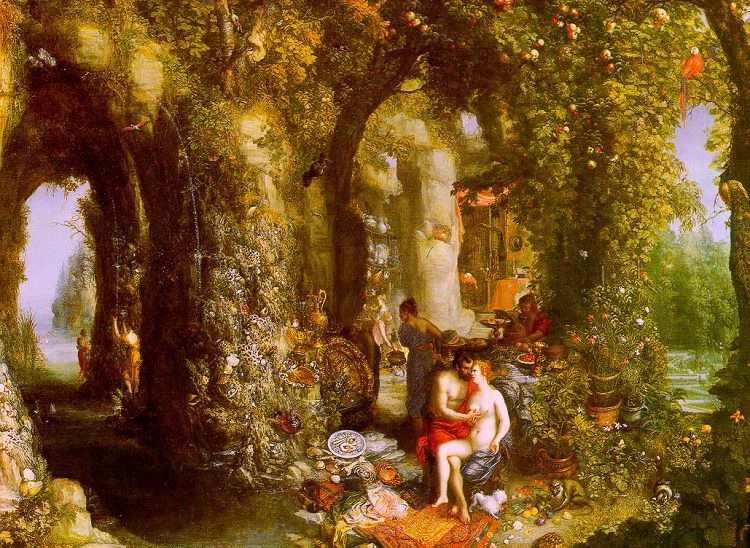
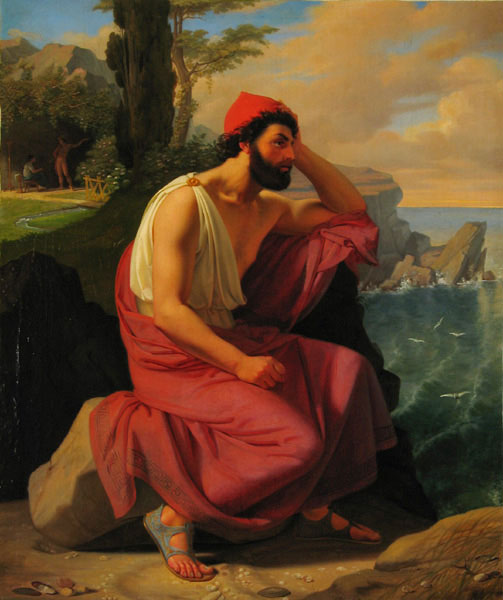
In Homer's Odyssey, Calypso shelters Odysseus after his shipwreck and the loss of his crew. She keeps him for several years—traditionally seven—offering comfort, love, and even the prospect of immortality if he will remain with her. Despite these offers, Odysseus longs to return to his home and wife, Penelope. At the command of the gods, the messenger Hermes visits Calypso and orders her to release him. Reluctantly she complies, aiding Odysseus to build a raft so he can set sail once more. The episode highlights themes of temptation, hospitality, and the tension between divine favor and human destiny.
Characteristics and setting
Calypso is generally portrayed as both alluring and powerful: a solitary immortal who exercises considerable agency on her island. Ogygia itself is depicted as remote and almost unfindable—Homeric geography implies an otherworldly place outside familiar travel routes. Classical writers and later commentators debated the island's possible location, often treating it as symbolic rather than literal. The figure of Calypso blends aspects of a hospitable host with those of an enchanting captor.
Variants, symbolism, and interpretation
Beyond the Homeric text, traditions about Calypso vary. Some later mythographers and poets supply alternative parentage or emphasize different durations of Odysseus's stay. Scholars and interpreters have used Calypso to explore ideas such as the civilizing versus isolating effects of comfort, the nature of desire and fidelity, and the constraints placed on women in epic narratives. Artists and writers from antiquity through the modern era have reimagined her role to suit changing concerns about agency, exile, and longing.
Reception and cultural echoes
Calypso appears in many later works of literature, visual art, and commentary. She is sometimes invoked as an archetype of the seductive island woman, sometimes as a tragic figure resigned to forces beyond her control. The name "Calypso" has been reused widely in culture—most famously in other, unrelated contexts—testifying to the durability of the mythic image, though such uses should not be conflated with the original Greek portrayal.
Key points and related topics
- Origins: Commonly called a nymph and described as a daughter of Atlas or related divine stock.
- Famous episode: The stay of Odysseus on Ogygia in the Odyssey, ending when Hermes orders his release.
- Themes: Temptation, immortality offers, exile, hospitality, and concealment.
- Geography: Ogygia is deliberately remote and its location remains a matter of speculation and symbolic reading.
- See entries on Greek mythology and the Homeric epics for broader context.
- Consult sources on nymphs and island myths for parallels and contrasts.
- Compare portrayals of Odysseus and Penelope to understand narrative oppositions.
- Explore modern interpretations that revisit the figure of Atlas and his descendants.
Related articles
Author
AlegsaOnline.com Calypso (Greek mythological nymph of Ogygia) Leandro Alegsa
URL: https://en.alegsaonline.com/art/16225