
Camelot — Legendary Court of King Arthur
Camelot is the fictional court and castle associated with King Arthur. A product of medieval romance and later retellings, it symbolizes chivalry, unity, and the idealized medieval kingship; its historicity is uncertain.
Camelot is best known as the royal court and fortress at the center of the Arthurian legendary cycle. In many stories it is where King Arthur held his court, gathered his companions, and received petitions from nobles and commoners alike. Accounts describe Camelot as both a magnificent castle and a seat of government that combined ceremony, hospitality, and martial readiness. The image of Camelot emerged in medieval literature and was reshaped repeatedly by later writers, artists, and filmmakers.
Image gallery
10 Images




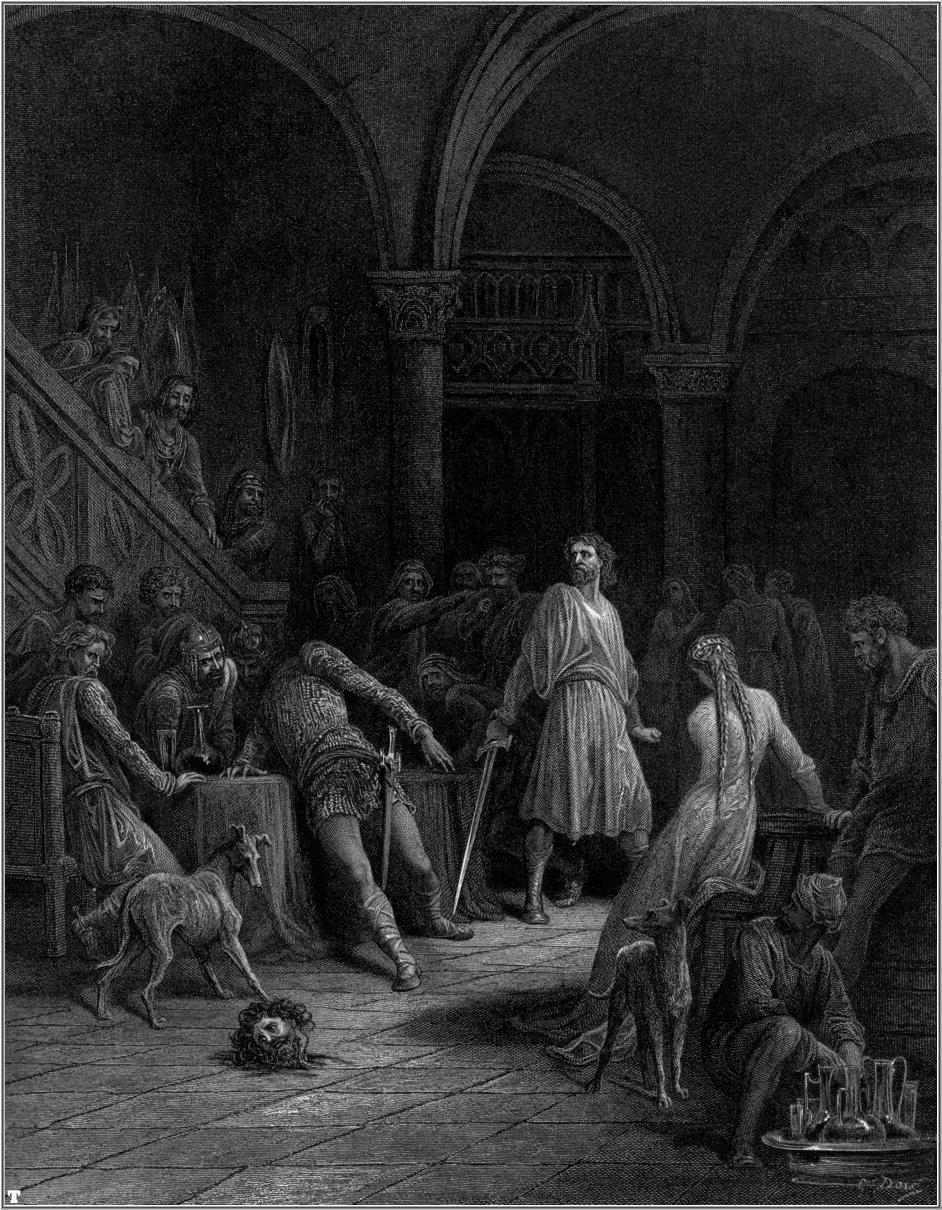


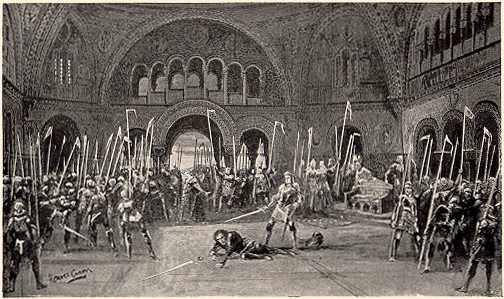
Defining features and symbols
Camelot is associated with several iconic elements of Arthurian lore. Most prominent are the Round Table, the sword Excalibur, and quests for the Holy Grail. The Round Table — famously without a head seat — embodied the ideal that each knight had equal standing and that fellowship, rather than strict hierarchy, governed the court. These motifs function less as concrete historical claims and more as symbolic devices used by storytellers to explore ideals of loyalty, justice, and chivalric conduct.
Origins and literary development
The concept of Camelot grew out of a mix of early Celtic tales and continental romances. Twelfth- and thirteenth-century authors expanded Arthur's world into a rich panorama of courtly adventure: chroniclers and poets introduced names, episodes, and local color while adapting themes from the fiction of their day. Later medieval compilers, and most famously Thomas Malory in Le Morte d'Arthur, consolidated many threads into the familiar narrative in which Camelot is the center of Arthur's realm and moral authority.
Location theories and archaeology
Because Camelot is primarily a literary construct, its physical whereabouts are debated. Some authors and antiquarians have proposed specific sites such as Cadbury Castle in Somerset or names derived from Roman towns; others point to broader areas of southern Britain. Archaeological finds of post-Roman strongholds suggest that powerful hilltop sites existed in the fifth to seventh centuries, but none can be identified with certainty as the Camelot of legend. Modern scholarship treats Camelot as a cultural and narrative locus rather than a reliably located historical palace.
Stories of decline and cultural legacy
In many retellings the golden age of Camelot ends through internal betrayal and civil strife. The adulterous relationship between Lancelot and Guinevere, coupled with the rebellion of Mordred, commonly precipitates the court's collapse. That downfall has been used to examine themes of human frailty and the limits of political ideals. Over centuries Camelot has remained a potent symbol in literature, visual arts, film, and public memory, evoked whenever writers and creators wish to invoke chivalric aspiration or the melancholy of lost perfection.
Notable facts and distinctions
- Camelot functions primarily as a literary and symbolic place rather than a documented historical city.
- Its best-known features — the Round Table, Excalibur, and the Grail quests — serve as vehicles for moral and social themes rather than factual reportage.
- The image of Camelot has been adapted across media and centuries, from medieval romance manuscripts to modern film, music, and tourism, keeping the legend alive in new cultural contexts.
Because so much of what we "know" about Camelot comes from storytelling, readers encounter it today through an accumulation of medieval writing, later compilations, and reinterpretations. Scholars and enthusiasts continue to study the texts and archaeological evidence, while artists and filmmakers reinvent the setting for new audiences. For further reading on specific tales, sites, and scholarship see linked resources and editions of the Arthurian romances.
Related articles
Author
AlegsaOnline.com Camelot — Legendary Court of King Arthur Leandro Alegsa
URL: https://en.alegsaonline.com/art/16302