
Bunk bed — design, types, safety and common uses
A bunk bed stacks two or more sleeping platforms to save space. This article explains construction, variants (loft, trundle), typical uses, safety concerns, and practical guidance for selection and care.
Overview
A bunk bed is a piece of furniture in which two or more beds are stacked vertically to occupy the floor area of a single bed. Stacking sleeping surfaces conserves floor space, making bunk beds common in homes with limited room, in dormitories, on ships, in military barracks, and in hostels. They may be built from metal or wood and often include integrated access and safety features.
Image gallery
4 Images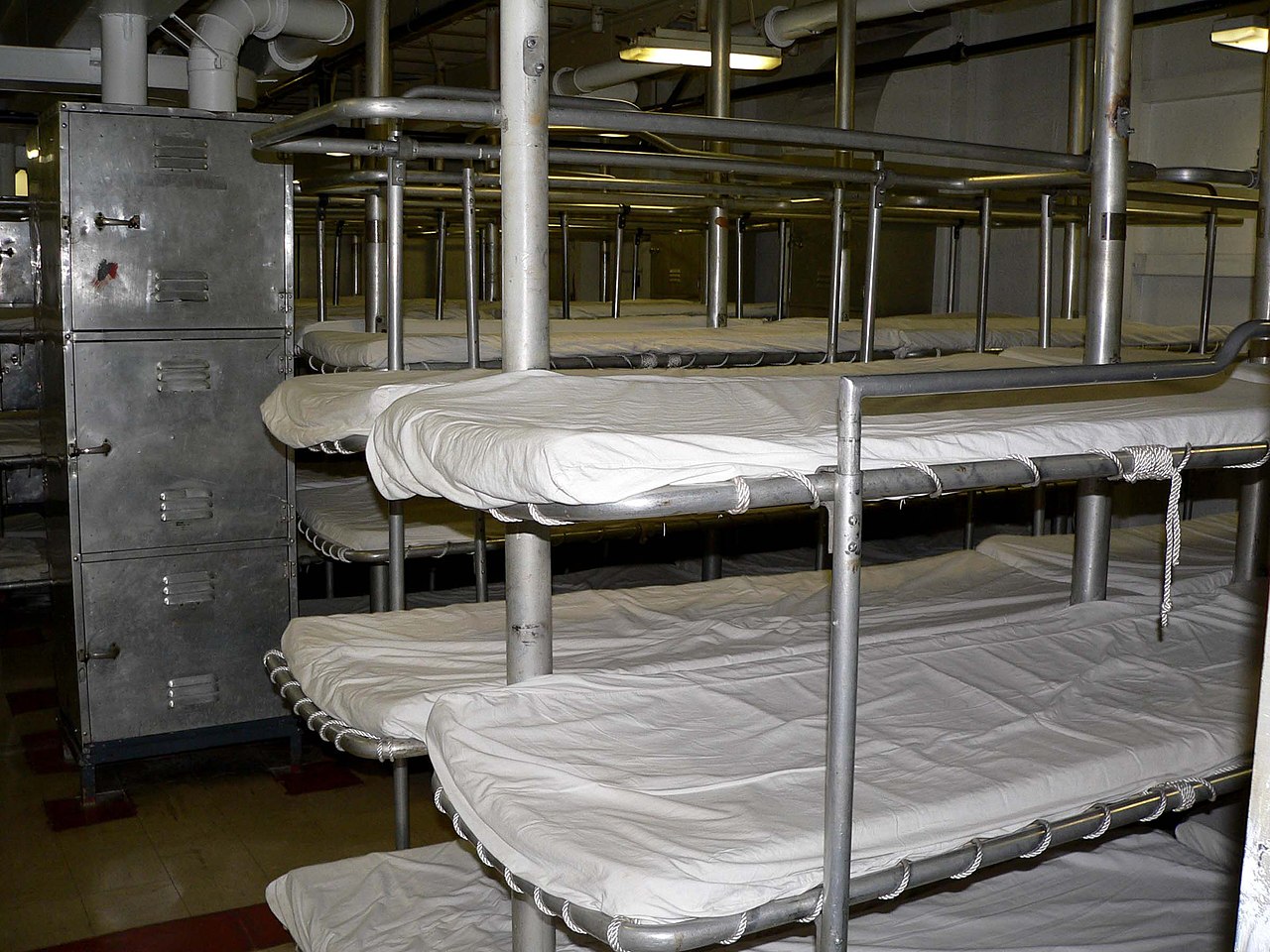


Design and main parts
Typical components include the upper and lower bed frames, vertical supports (posts), an access ladder or stairs, and guardrails around the top bunk. Materials are most often steel tubing or hardwoods; slatted bases or platforms support mattresses. Some models provide built-in storage, desks, or shelving under the top bunk to increase functionality. Assembly can be free-standing or fixed to walls for added stability.
Types and variations
- Standard bunk: two beds one above the other.
- Triple or quad bunks: stacked three or more tiers, used in institutional settings.
- Loft bed: a raised single bed with open space underneath for a desk or storage rather than a lower bed.
- Trundle and captain's beds: a lower pull-out bed or drawers integrated into the lower frame for extra sleeping or storage.
- Custom arrangements: L-shaped, angled, or modular designs to fit specific spaces.
Safety and regulations
Safety features include guardrails on the top bunk, secure ladders or stairs, and limits on mattress thickness to keep the sleeper below the top rail. Manufacturers and safety authorities commonly advise that young children not use the top bunk; many guidelines suggest an age threshold for top-bunk occupants. Proper assembly, periodic tightening of fasteners, and anchoring when recommended reduce risk. For additional manufacturer guidance consult product instructions or a safety resource such as manufacturer sites or third-party safety organizations like standards bodies.
Uses, benefits and considerations
Bunk beds maximize sleeping capacity where footprint is limited and can create playful or efficient bedroom layouts for siblings, guests, or shared living. They are economical in communal housing and practical in vacation rentals. When choosing a bunk bed consider mattress sizes and compatibility, headroom between tiers, ease of cleaning, and whether features such as storage or a desk are needed. Installation may require tools and two people; many retailers offer delivery and setup.
Notable facts and cultural notes
In some regions and languages, colloquial names vary; for example, in the Philippines the piece is often called a "double deck." Institutional applications — ships, military, camps — have used stacked berths for generations because the layout conserves space. For buying advice or model comparisons see retailers and review sites; additional technical product details often appear on company pages such as brand pages or in consumer guides found at buyer resources.
Related articles
Author
AlegsaOnline.com Bunk bed — design, types, safety and common uses Leandro Alegsa
URL: https://en.alegsaonline.com/art/15326