
Plaster: materials, types, uses and history
Plaster is a building and casting material made from binders such as gypsum, lime or cement. Used for surface finishing, decoration, casting and medical casts, it has diverse types, properties and historical uses.
Plaster is a broad term for pastes and coatings composed of a binder, a fine aggregate and water, applied wet and hardening to form a smooth, protective or decorative surface. As a general category it overlaps with mortars and cements but is usually formulated for finishing and shaping rather than for structural bonding. For an overview of the concept see material.
Image gallery
10 Images
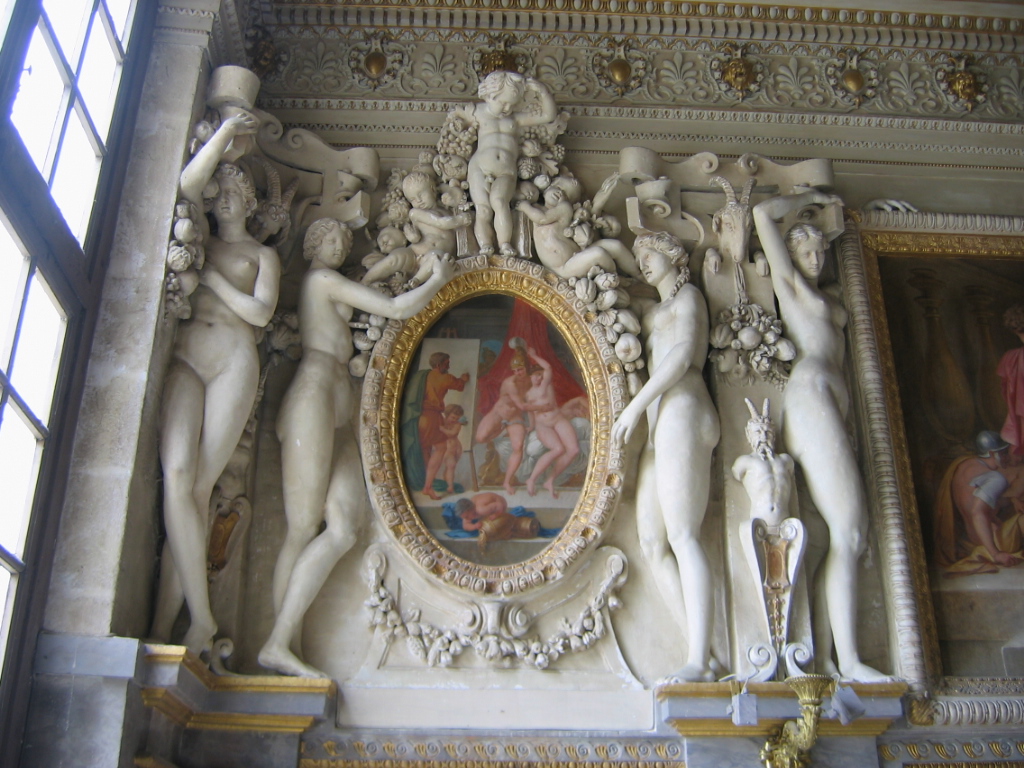






Common types and characteristics
Several binders produce different kinds of plaster. Gypsum plaster (often called plaster of Paris) is made by heating gypsum and then mixing the powder with water; it sets quickly by rehydration and is widely used for casting and interior finishes. Lime plaster uses calcium hydroxide and sets slowly as it carbonates with CO2 in the air. Cement-based plasters are stronger and used where greater durability or exterior exposure is required. Other traditional formulations include clay plasters and mixed composite plasters with fibers or additives to alter workability and strength.
Parts and how it behaves
- Binder: gypsum, lime, cement or clay.
- Aggregate: fine sand or inert fillers to control shrinkage.
- Water: activates setting reactions and provides workability.
- Additives: retarders, accelerators, plasticizers, or fiber reinforcement.
Working properties—such as setting time, hardness, adhesion and vapour permeability—depend on binder chemistry and mix proportions. Some plasters are designed to be breathable to reduce moisture problems in older buildings; others are formulated for rapid casting in art studios or medical uses.
History and development
Plastering has ancient roots. Civilizations from Egypt to Rome used lime and gypsum plasters for walls, floors and fresco supports, with decorative mouldings and painted finishes surviving in archaeological sites. Over centuries, techniques evolved from hand-trowelled lime renders to industrially produced gypsum and cement plasters used in modern construction and prefabricated panels.
Uses, examples and importance
Plaster serves multiple roles in construction and crafts: smoothing interior walls and ceilings, forming architectural mouldings and ornamental work, providing fire-resistant layers, and producing casts and models. In art and archaeology gypsum plaster is used to make copies of footprints, fossils and fossils' impressions because it captures fine detail. In medicine, gypsum-based bandages and casts are employed to immobilize fractured bones during healing. Dental and orthopaedic labs use specialized plasters for molds and models.
Distinctions and notable facts
Plaster is often contrasted with mortar and cement: mortar binds masonry units while cement is the hydraulic binder used in concrete and some plasters. The trade term stucco commonly refers to exterior decorative plasters and render systems. Gypsum-based plaster is distinguished by rapid setting and fine detail reproduction and derives from gypsum mineral, a hydrated sulfate of calcium (gypsum being the source material).
Practical considerations include dust control during mixing, controlling moisture while setting, and matching historic mixes when repairing older buildings. Modern formulations and additives extend the performance and applications of traditional plaster, keeping it relevant in restoration, arts, and contemporary construction.
Related articles
Author
AlegsaOnline.com Plaster: materials, types, uses and history Leandro Alegsa
URL: https://en.alegsaonline.com/art/77317