
Buttress: structural support for walls, roofs and retaining systems
Buttresses are architectural supports built against walls to resist lateral forces. Types include solid, flying and counterfort buttresses; used historically in cathedrals and today in civil engineering and landscape design.
A buttress is a built element that strengthens a wall or other vertical surface by redirecting loads to the ground. Typically placed against the outer or inner face of a wall, a buttress resists lateral forces from roofs, vaults or retained soil and helps prevent collapse. In architecture the simplest form is a mass of masonry leaning against a wall; a related form uses arches or piers to convey forces away from the wall.
Image gallery
10 Images


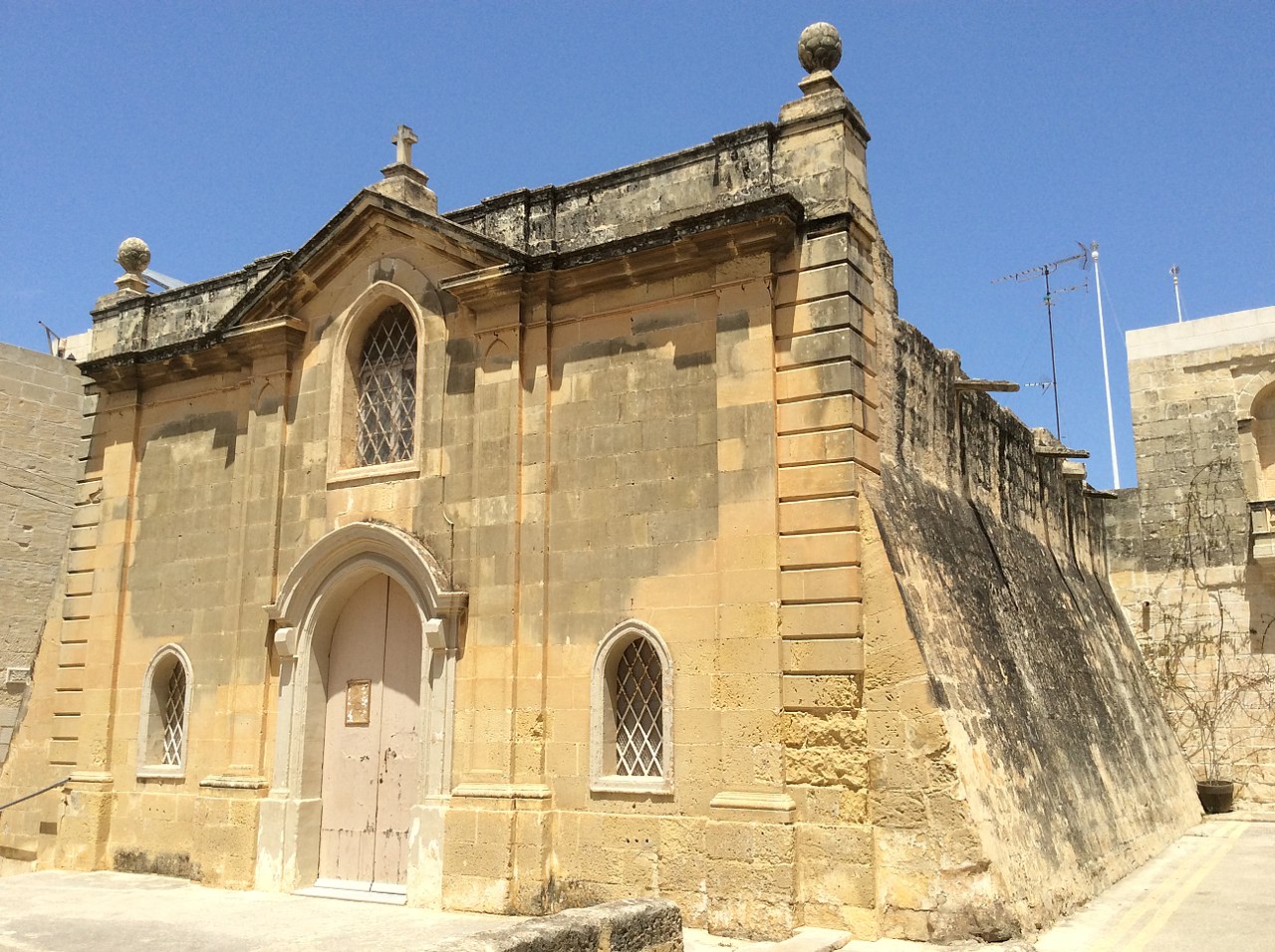


How buttresses work
Functionally, a buttress enlarges the section of wall that carries compressive and lateral loads, increasing the stability of the structure. A well-designed buttress transfers horizontal thrust into vertical compressive forces that the foundation can safely carry. Materials range from dressed stone and brick in historic buildings to reinforced concrete and steel in modern engineering.
Common types
- Solid or masonry buttress: a simple projecting mass attached to a wall.
- Flying buttress: an arch or half-arch that spans from the upper wall to an external pier, common in medieval cathedrals.
- Counterfort or retaining buttress: used in retaining walls to resist earth pressure.
- Clasping or setback buttress: wraps around a corner or recedes in stages along a tall wall.
These forms can be combined and adapted according to structural needs and stylistic preferences.
History and examples
Buttresses appear in many building traditions where walls must resist lateral thrust. They were prominent in Romanesque and especially Gothic architecture in Europe, where flying buttresses made possible higher vaulted ceilings and large stained-glass windows. Earlier and parallel solutions existed elsewhere, and civil engineers later adopted buttressing principles in bridges, dams and retaining structures.
In everyday construction, buttresses are still used where walls face strong lateral loads or where architectural emphasis is desired. Landscape and garden walls may receive short buttresses for stability, while modern buildings substitute reinforced concrete piers or buttressed foundations. For a simple illustration of the wall-to-buttress relationship see the entry on walls.
Beyond buildings, the term appears in nature: "buttress roots" describe broad, flared tree roots that stabilize tall tropical trees. In all contexts the buttress remains a pragmatic solution to the problem of lateral forces — combining engineering function with, at times, expressive architectural form.
Related articles
Author
AlegsaOnline.com Buttress: structural support for walls, roofs and retaining systems Leandro Alegsa
URL: https://en.alegsaonline.com/art/15702