
Byzantine architecture: forms, development, and legacy
Architectural tradition of the Eastern Roman (Byzantine) Empire centered on centralized plans, domes, mosaics and complex structural solutions that influenced medieval and later architecture across Europe and the Near East.
Overview
Byzantine architecture refers to the built tradition that developed in the Eastern Roman Empire and its cultural sphere. Modern scholars use this label to describe a wide variety of churches, palaces, fortifications and civic buildings produced from late antiquity into the medieval period. The style is closely associated with the imperial capital and major centers of production; for context see Byzantine Empire and scholarly surveys such as modern histories. The city that most shaped the style was Constantinople, though important works appear across the Balkans, Anatolia, the Levant and Italy (long imperial history).
Image gallery
10 Images






Characteristic features
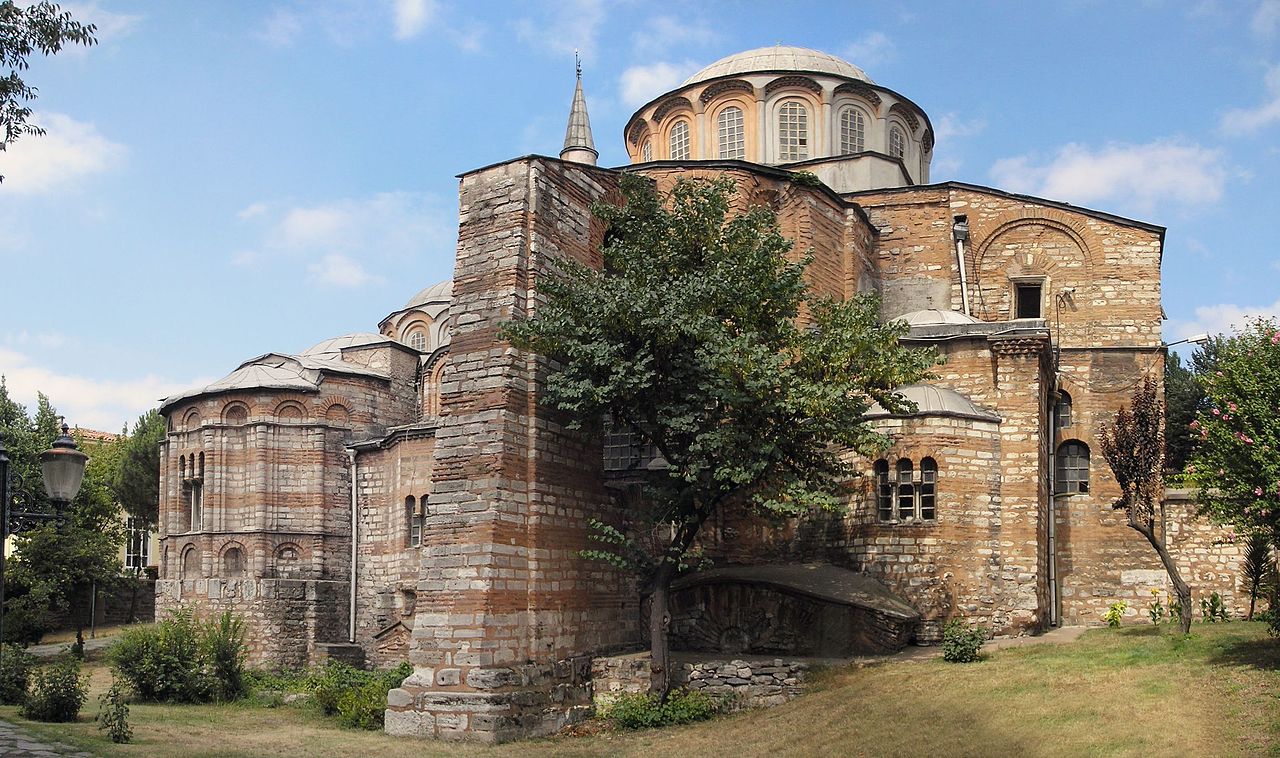
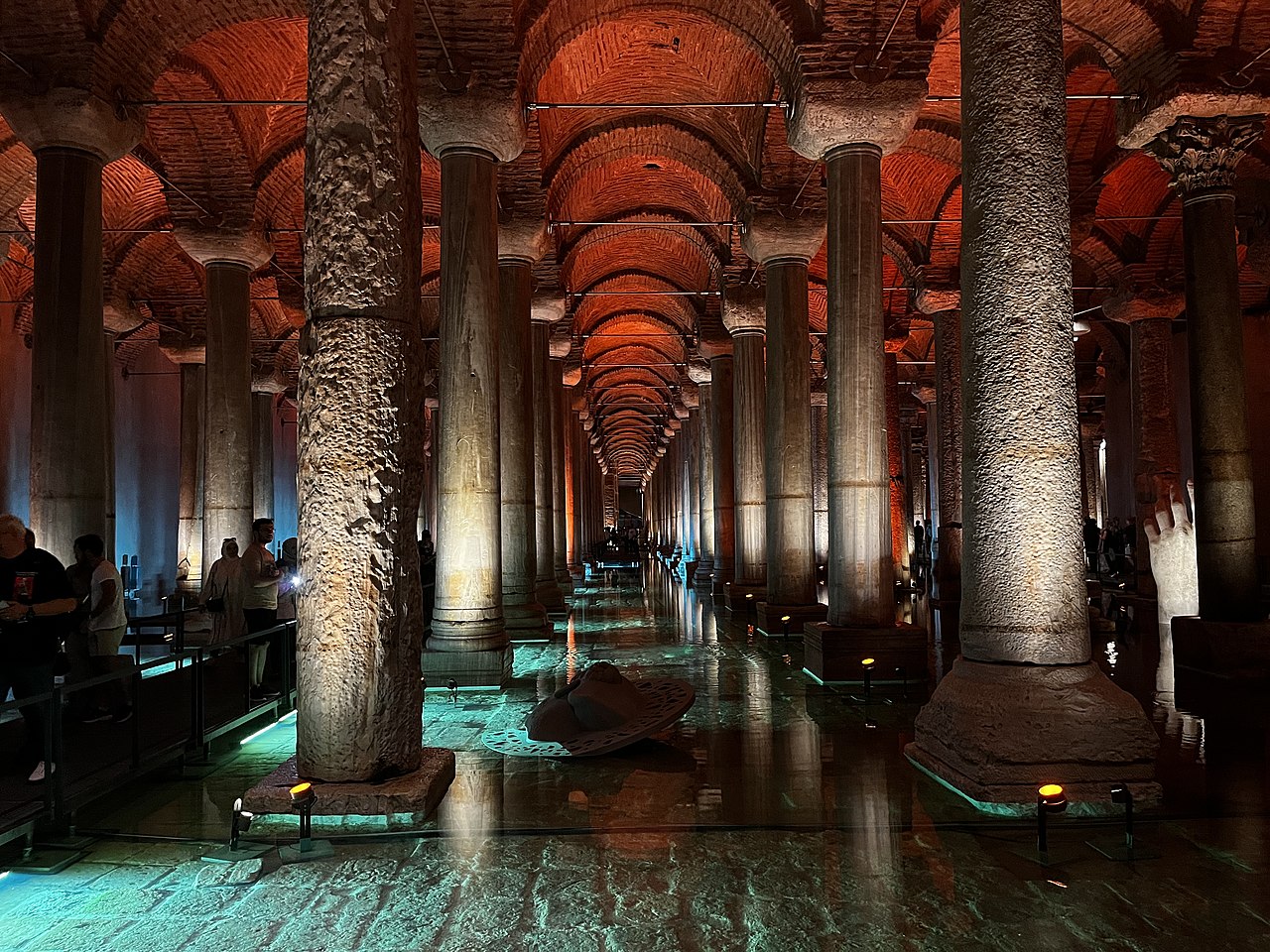
The architecture is often recognized for certain recurring elements. Centralized plans and domes linked to square or polygonal bays dominate ecclesiastical design. Interiors emphasize vertical space and diffuse light, frequently enriched with mosaics and marble revetment. Structural solutions such as pendentives and complex vaulting enabled broader spans and transitional forms between walls and domes. Decorative vocabulary combined classical motifs, Christian iconography and local craft traditions.
Materials, construction and spatial organization
Builders used brick, stone and mortar, often faced with fine marble or opus sectile in prominent buildings. Timber roofs remained common for ordinary structures, while imperial and ecclesiastical commissions favored engineered domes and vaults. Spatial schemes vary from basilica layouts to central-plan churches; many buildings combine longitudinal and centralizing elements to accommodate liturgy and procession. Acoustic and lighting considerations were integral to interior planning.
Development and historical context
Byzantine architecture evolved out of late Roman building practice and continued to change over centuries. Early Christian and early Byzantine monuments set precedents for plan and ornament. Through periods of expansion, iconographic change and external influence, regional schools emerged. Later medieval developments absorbed local materials and techniques and also influenced neighboring traditions such as those in the Near East and western Europe (Medieval architecture, Near East).
Influence, uses and notable legacies
The visual language of Byzantine buildings had wide impact: it informed Orthodox church architecture, contributed to Renaissance rediscovery of classical forms, and left traces in Ottoman building programs. Major functions included liturgical worship, imperial representation and civic display. Surviving examples remain key to understanding liturgy, imperial ideology and urban design in former Byzantine lands (Renaissance, Ottoman).
Examples and distinctions
- Examples range from compact domed churches to expansive palaces and fortifications.
- Distinctions include regional variants, such as those developed in Italy, the Balkans and Anatolia.
- When studying Byzantine architecture, compare plan types, decorative programs and construction methods rather than relying on a single visual stereotype.
For further orientation, readers can consult general surveys and site-specific studies that trace stylistic shifts and local adaptations across the long history of the Eastern Roman world (overview resources).
Questions and answers
Q: What is Byzantine architecture?
A: Byzantine architecture is the architectural style of the Byzantine Empire, which was the Eastern Roman Empire based in Constantinople.
Q: How long did the Byzantine Empire last?
A: The Byzantine Empire lasted for more than a millennium.
Q: What kind of influence did the Byzantine Empire's architecture have on Medieval architecture in Europe and the Near East?
A: The Byzantine Empire's architecture had a lasting influence on Medieval architecture in Europe and the Near East.
Q: Which architectural styles were influenced by Byzantine architecture?
A: Byzantine architecture influenced Renaissance architecture and Ottoman architecture.
Q: What is the modern meaning of the term 'Byzantine architecture'?
A: The modern meaning of the term 'Byzantine architecture' is the architectural style of the Eastern Roman Empire based in Constantinople.
Q: What is another name for the Eastern Roman Empire?
A: The Eastern Roman Empire is also referred to as the Byzantine Empire.
Q: What is the significance of Byzantine architecture?
A: Byzantine architecture left a lasting influence on Medieval architecture in Europe and the Near East, and it also influenced the later Renaissance architecture and Ottoman architecture.
Tags
Related articles
Author
AlegsaOnline.com Byzantine architecture: forms, development, and legacy Leandro Alegsa
URL: https://en.alegsaonline.com/art/15752