
Bungalow: origins, characteristics, regional types and modern adaptations
An overview of the bungalow: etymology, typical features, historical development, regional variants (including California and Craftsman), and contemporary uses in housing and preservation.
The bungalow is a broadly used term for a low‑rise, often single‑storey house type that places emphasis on horizontal proportions, accessible planning and a close relationship between interior and outdoor spaces. The form traces to vernacular dwellings in the Bengal area of South Asia and the name derives from a Hindi‑Urdu adaptation of the word used for a particular kind of one‑storey house. Through colonial contact and later architectural movements, the bungalow was adapted to many climates and cultures and took on distinctive regional meanings.
Image gallery
10 Images




Etymology and early history
The word originally described modest houses with verandas common in the Bengal region (Bengal) within broader South Asia. British administrators and residents adopted the form and the name in the 18th and 19th centuries, exporting the idea to other parts of the empire. As it spread, the bungalow was reinterpreted according to local needs, materials and styles rather than remaining a single fixed type.
Typical characteristics
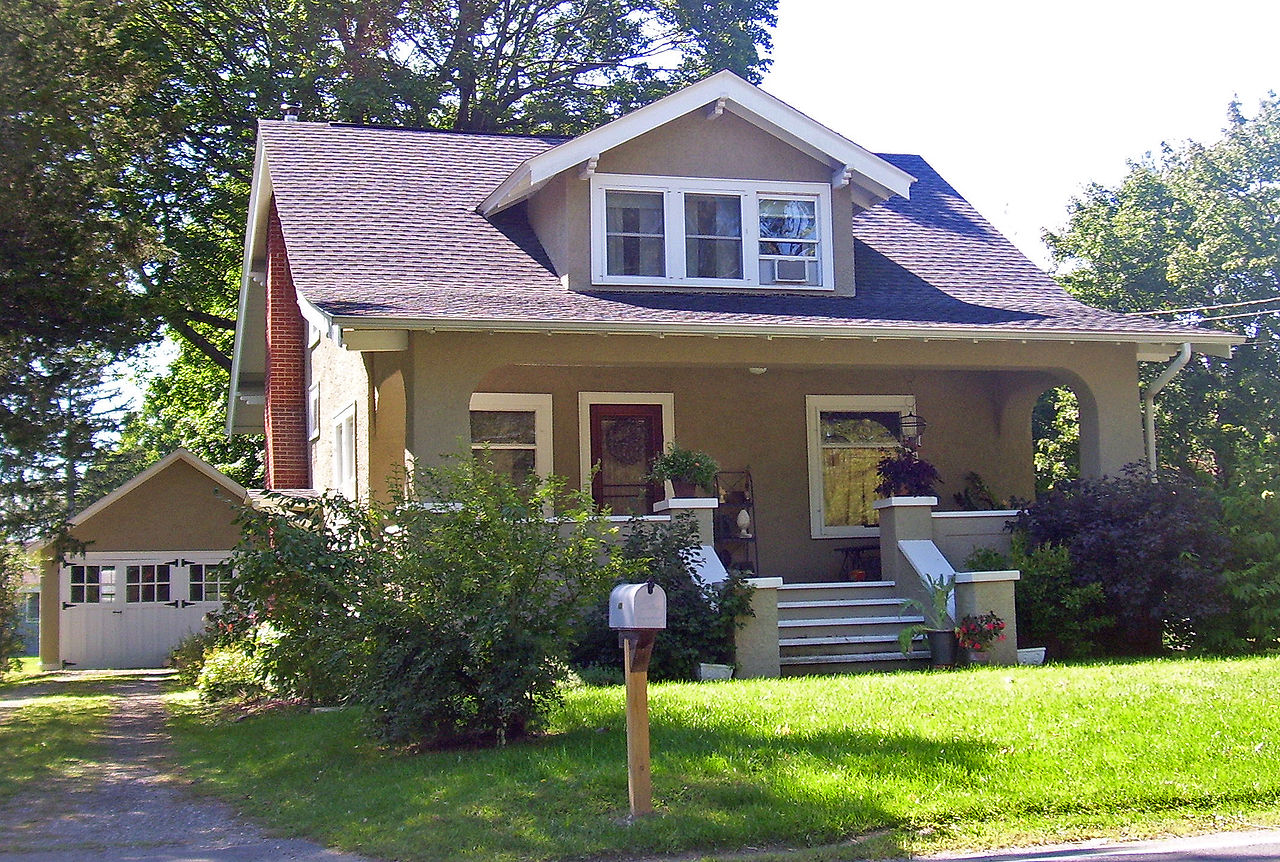
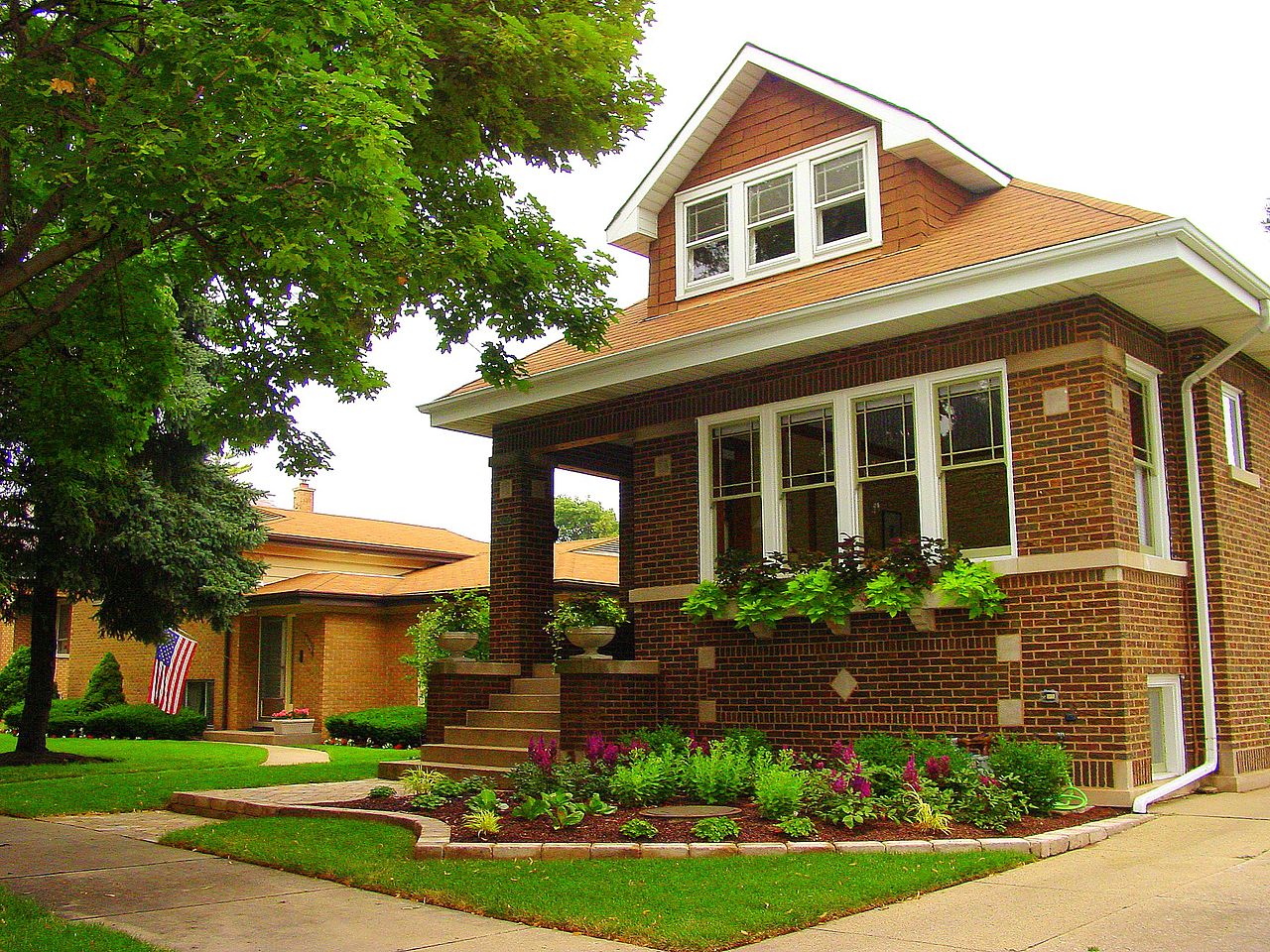
Although definitions vary, characteristic features of many bungalows include a single main storey or an efficient one‑and‑a‑half storey plan with living spaces largely on the ground floor; a prominent porch or veranda that mediates indoor and outdoor life; low‑pitched roofs with broad eaves; simple, compact floor plans; and direct access to gardens or street. Materials and ornament vary: timber, brick and local masonry are common, while roof forms and window types reflect regional climate and tradition.
Regional variants
- South Asia: the original vernacular bungalow often had wide verandas for shade and ventilation, suited to hot, humid climates.
- United Kingdom: in the United Kingdom a bungalow normally denotes a detached single‑storey dwelling, sometimes with limited attic rooms; it became a popular form for suburban and rural housing in the 20th century.
- North America: in North America the bungalow includes the Craftsman and California types: single‑level plans with porches, built with an emphasis on craftsmanship and natural materials; many early 20th‑century examples remain in city neighborhoods.
- Australia: the influence of the American California bungalow appeared in Australian suburbs after the First World War and affected residential streetscapes in cities and towns (Australia).
- Urban and coastal types: bungalow courts, beach bungalows and suburban variants adapt the basic idea to communal layouts, holiday accommodation or mass‑produced housing.
Examples and cultural importance
Historic districts of bungalows are prominent in many cities: rows and clusters of early 20th‑century bungalows survive in parts of Chicago and in neighborhoods across Houston, among many others. These houses are valued for their human scale, porches and straightforward plans. In some regions bungalows became associated with particular social trends, such as suburban homeownership, accessible single‑level living for older adults, or the Arts and Crafts emphasis on honest materials and visible construction.
Construction, accessibility and sustainability
Bungalows are often praised for their accessibility because primary living spaces occur on one level, which can reduce the need for stairs and facilitate aging‑in‑place. Contemporary architects and renovators adapt bungalow forms to modern standards: improved insulation, energy‑efficient glazing and mechanical systems can be integrated while retaining porches, natural ventilation strategies and compact footprints. The basic bungalow plan also lends itself to extensions, secondary suites or careful subdivision on larger lots.
Preservation and adaptation
Many historic bungalows are covered by conservation programs or heritage designations where their streetscape value is significant. Adaptive reuse—converting older bungalows for multi‑family use, home offices or updated family housing—requires attention to their structural limitations and character‑defining elements, especially porches, rooflines and original joinery. Sensitive updates can preserve cultural value while meeting contemporary living needs.
Contemporary relevance
Today the bungalow remains a flexible and recognizable house form. Designers continue to reinterpret its qualities—single‑level living, connection to outdoors and economical footprints—for ecological building, universal design and small‑lot infill projects. The term itself retains multiple local meanings, so understanding a bungalow in any place requires attention to regional building tradition, legal definitions and market practice.
For further reading on particular regional styles and conservation practice see specialized sources and local heritage bodies: Bengal histories, South Asian vernacular sources, studies of the Australian bungalow movement, works on the California bungalow, surveys of North American Craftsman houses, official guidance in the UK, city inventories such as for Chicago and neighborhood studies for Houston.
Related articles
Author
AlegsaOnline.com Bungalow: origins, characteristics, regional types and modern adaptations Leandro Alegsa
URL: https://en.alegsaonline.com/art/15316