
Building model
A building model is a physical or virtual representation used to explore, present, analyze, and coordinate the design and performance of a building, including scale, structural and mathematical/computer models.
A building model is a representation of a constructed environment used by architects, engineers, clients and builders to study design, structure and performance. Models may be made as a tangible object or as a computer-based digital file. A physical example is often called a scale model and can be a small, detailed maquette or a larger, simplified mock-up. Digital or virtual representations are created with software and enable simulation and data-rich coordination.
Image gallery
10 Images




Types
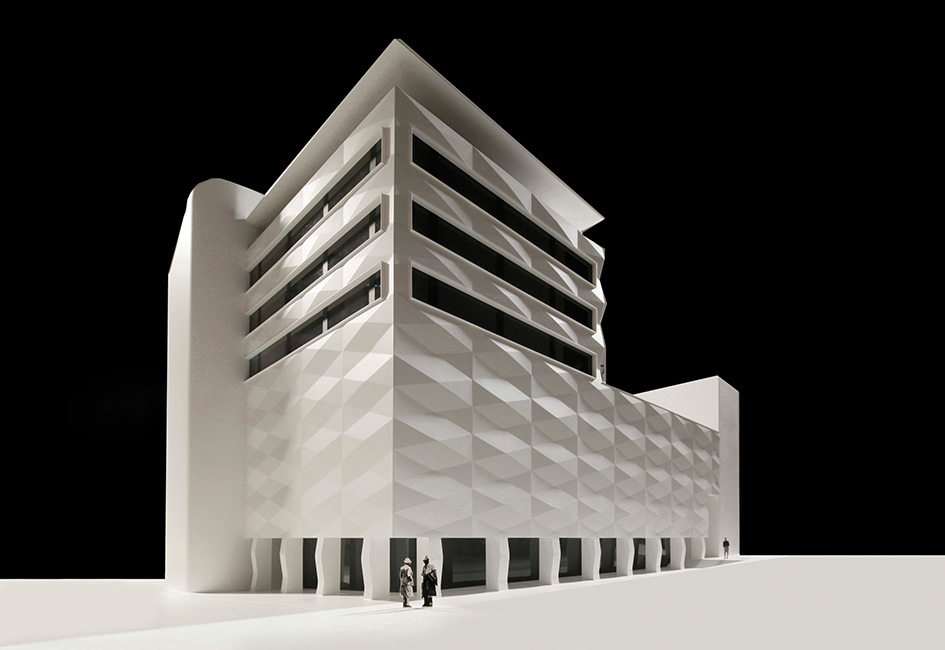
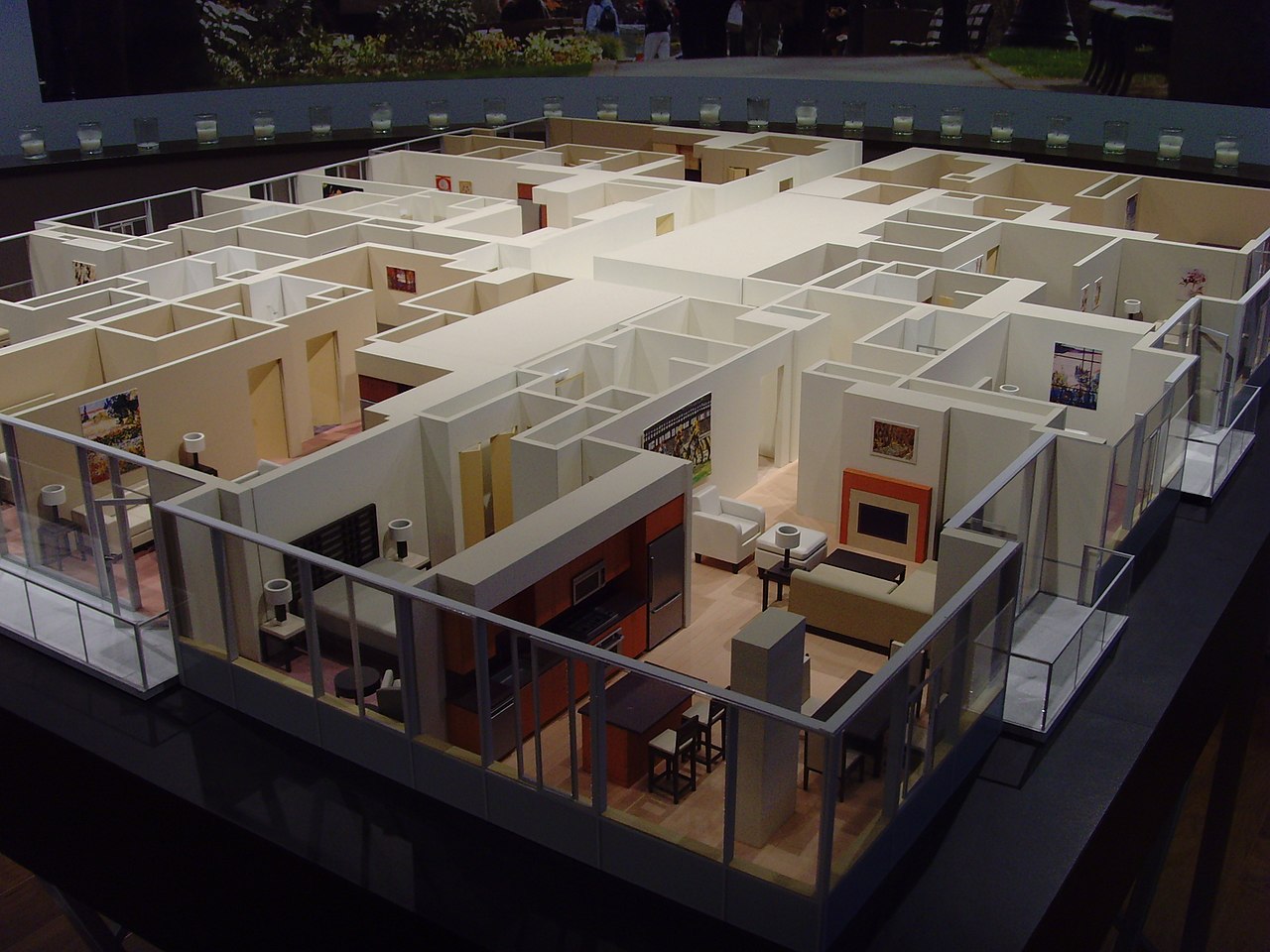
- Architectural models — three-dimensional physical or rendered studies that communicate form, massing, materials and spatial relationships. These are frequently physical and may be referred to as physical models for presentations and client review.
- Structural models — diagrams, small prototypes or analytical models used to examine load paths, connections and stability; sometimes built at reduced scale or represented within engineering software (structural).
- Mathematical and computer models — algorithmic, parametric or information-rich models that drive simulation, cost estimation and construction coordination; commonly produced with CAD or BIM tools (mathematical / virtual).
Physical models vary by material and level of detail: paper, card, wood, plastic, foam and 3D-printed components are common. Scale selection balances portability, budget and the detail required for decision-making. A physical scale model is effective for tactile examination and public exhibitions, while full-size mock-ups are used to test finishes or assemblies.
Virtual building models encompass a wide range of approaches. Simple three-dimensional visualizations aid massing and sun/shadow studies, while building information models (BIM) embed geometry with metadata about materials, costs and schedule. These models support clash detection, performance simulation and digital fabrication workflows. Computer-based models make it easier to iterate designs and run analyses that would be costly or impossible with only physical models.
The practice of creating building models has a long history, from handcrafted architectural maquettes used to present designs to patrons, through industrial-era engineering prototypes, to today's integrated digital ecosystems. Advances in manufacturing and software have expanded what models can represent and how stakeholders collaborate on design and construction.
Models serve several vital roles: visual communication with clients and regulators, technical coordination among disciplines, structural and environmental analysis, teaching and public display. A single project may use multiple model types in parallel — a physical presentation model that complements a data-rich computer model, and an engineering structural model for safety checks. When discussing a building, distinguishing which model type is intended clarifies its purpose, limitations and the decisions it supports.
Questions and answers
Q: What is a building model?
A: A building model is either a physical or virtual model of a building.
Q: What are the two types of building models?
A: The two types of building models are physical (real) and virtual (computer).
Q: What is a scale model?
A: A scale model is a physical model that is smaller than the original building.
Q: How many basic types of building models are there?
A: There are three basic types of building models.
Q: What are the three basic types of building models?
A: The three basic types of building models are architectural, structural, and mathematical (virtual).
Q: What is an architectural model?
A: An architectural model is a physical or virtual representation of a building's design.
Q: What is a structural model?
A: A structural model is a physical or virtual representation of a building's structural components and how they function together.
Tags
Related articles
Author
AlegsaOnline.com Building model Leandro Alegsa
URL: https://en.alegsaonline.com/art/15180
Sources
- central.nees.org : A new line of base isolation under shake-table testing and analysis