
Construction: types, processes, materials and significance
Overview of construction: definitions, main types (building, civil/heavy, industrial), project phases, materials and methods, safety and regulation, history and societal importance.
Overview
Construction is the organized process of assembling or erecting buildings, structures and infrastructure on a site. It encompasses planning, design, procurement, construction work and the initial operations or handover of completed works. Participants commonly include owners, designers, contractors, subcontractors, suppliers and regulators; projects range from single buildings to complex networks of roads, bridges, utilities and industrial plants.
Image gallery
10 Images





Main categories
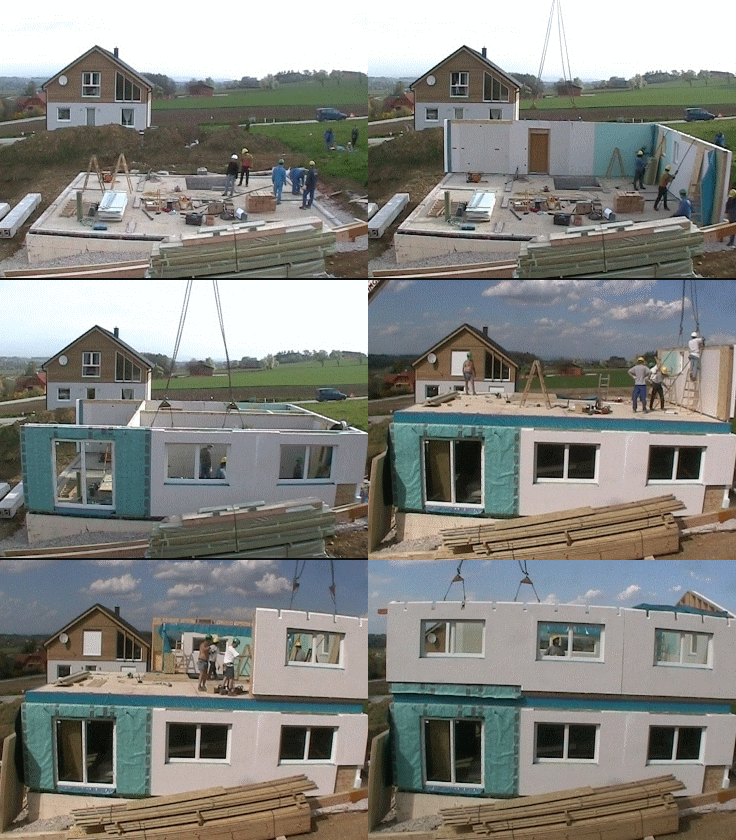
- Building construction: houses, offices, schools and other structures intended for occupancy or use. This category covers residential, commercial and institutional work and focuses on architectural and functional requirements.
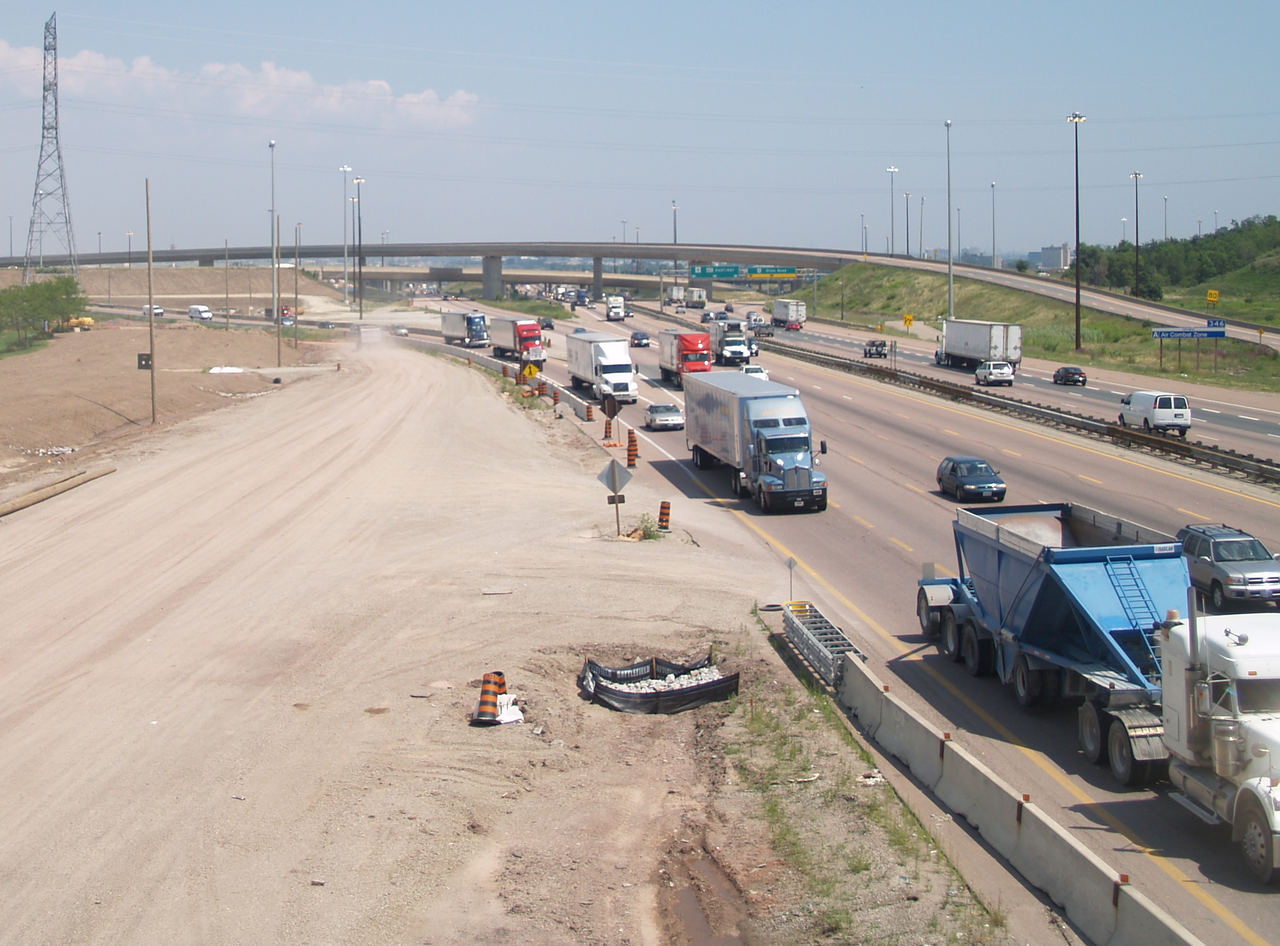
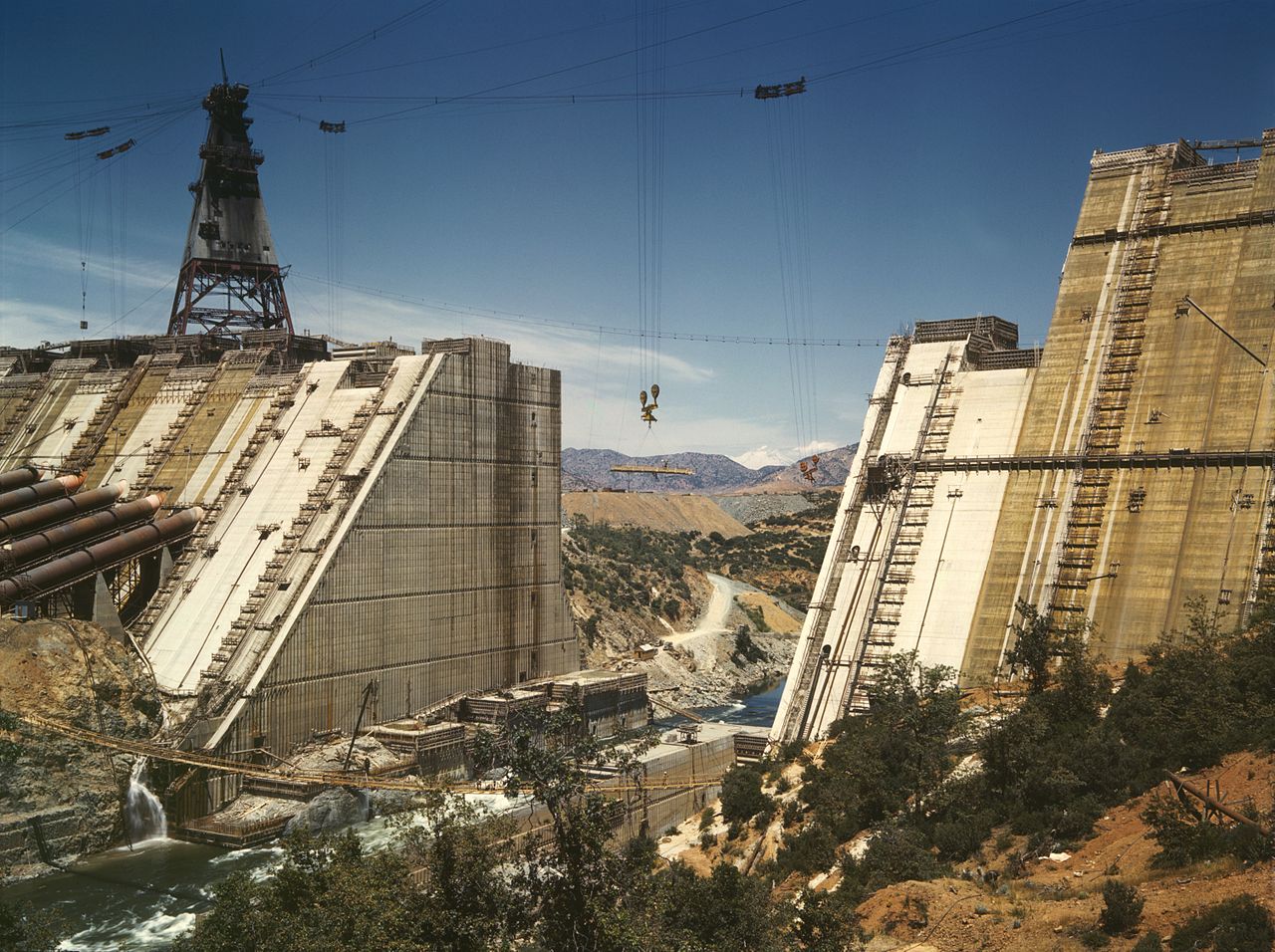
- Heavy or civil construction: large public works such as highways, bridges, dams and water systems often described as infrastructure. These projects emphasize durable engineering and long-term service.
- Industrial construction: facilities for manufacturing, energy, processing and storage. Although a smaller share of total activity, industrial projects are technically demanding and tightly integrated with process engineering.
Typical project phases
- Concept and feasibility: defining scope, budget and site constraints.
- Design and engineering: architectural and technical plans, permits.
- Procurement and contracting: hiring contractors, ordering materials.
- Construction: site preparation, assembly, commissioning.
- Handover and operation: testing, certification and maintenance planning.
Materials and construction methods vary by type and scale. Common materials include concrete, steel, timber and masonry. Modern practice also uses prefabrication, modular assembly and digital tools such as building information modeling (BIM), drones for site surveys and sensor systems for monitoring.
Regulation, safety and sustainability are essential. Projects must comply with building codes, environmental permits and occupational safety standards; growing emphasis on energy efficiency, waste reduction and resilient design shapes contemporary practice.
The craft of construction has ancient roots but has evolved with engineering, materials science and management techniques. Its economic and social importance is large: construction creates the built environment in which societies live and work, supports infrastructure systems and often drives local employment and investment.
Questions and answers
Q: What is construction?
A: Construction is the process of building or erecting any type of infrastructure or building on a site.
Q: What are the three types of construction?
A: The three types of construction are building construction, heavy/civil construction, and industrial construction.
Q: What is building construction?
A: Building construction is the process of adding structure to real property. It involves the construction of buildings, such as residential or commercial properties.
Q: What is heavy/civil construction?
A: Heavy/civil construction involves the building of large-scale infrastructure projects, such as highways, bridges, and dams.
Q: What is industrial construction?
A: Industrial construction is a relatively small part of the construction industry, but it is an important component. It involves the building of manufacturing plants, refineries, and factories.
Q: What is the importance of industrial construction?
A: Industrial construction plays a vital role in the economy by providing facilities for the production of goods and services.
Q: What are some examples of industrial construction projects?
A: Examples of industrial construction projects include the construction of manufacturing plants, refineries, and factories.
Related articles
Author
AlegsaOnline.com Construction: types, processes, materials and significance Leandro Alegsa
URL: https://en.alegsaonline.com/art/22702