
Ageism: prejudice and discrimination based on age
Ageism is prejudice or discrimination because of a person’s age. It affects older and younger people in work, health care, media and civic life and can be interpersonal or institutional.
Overview
Ageism describes negative attitudes, stereotypes, prejudice or discriminatory actions directed at people because of their age. The term is used for bias against older adults as well as for prejudice targeting younger people. Ageism can show up as individual behavior — such as insulting remarks or exclusion — or as institutional practices — such as hiring rules, policies, or cultural norms that disadvantage one age group.
Image gallery
7 Images



Characteristics and common forms
Typical forms of ageism include stereotyping (assuming abilities or preferences based on age), interpersonal mistreatment (rude or dismissive behavior), and structural discrimination (policies that limit opportunities). Common examples are workplace bias in recruitment and promotion, dismissive health care practices that ignore older patients’ autonomy, and media portrayals that present narrow or demeaning images of age.
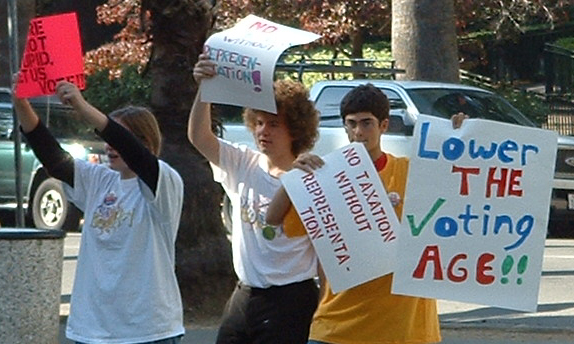
Age-based rules that protect young people from harm — for example, minimum ages for driving, voting, drinking, or consenting to certain activities — are legal restrictions calibrated to safety and development rather than necessarily reflecting prejudice. Nonetheless, when similar restrictions are applied without evidence or when policies uniformly exclude people of certain ages from meaningful roles, they may be experienced as ageism.
History and development
The word "ageism" entered public discussion in the late 20th century to name bias directed at older people and to draw attention to social barriers they face. Since then, scholars and advocacy groups have examined how attitudes toward aging shape employment practices, social services, public policy and cultural representation. Concerns about ageism have also been raised in industries where appearance and youth are highly valued, such as entertainment and advertising.
Consequences and examples
Ageism has practical consequences: fewer job opportunities, reduced access to health or social services, social isolation, and poorer mental and physical health outcomes. Young people can also be affected by dismissive attitudes that reduce their participation in decision-making. Examples include a hiring manager who rejects an older candidate despite suitable qualifications or public discourse that stereotypes teenagers as irresponsible.
Addressing ageism
Efforts to reduce ageism combine legal protections, organizational policy changes, education, and greater intergenerational contact. Legal measures in some countries restrict age-based discrimination in employment and services, while workplace practices such as skills-based hiring and flexible retirement can help. Public campaigns and diverse media representation challenge stereotypes, and programs that encourage contact between generations can reduce prejudice.
Notable distinctions and facts
- Ageism overlaps with but is distinct from other prejudices; it can interact with sexism, racism and ableism, producing layered disadvantages.
- Age-based regulations may be protective or discriminatory depending on their purpose, evidence base and flexibility.
- Because everyone ages, many advocates argue confronting ageism benefits entire societies by valuing experience and supporting inclusion.
Further reading and resources
- Definition and basic overview
- Research on discrimination
- Societal and institutional examples
- Forms of exclusion and mistreatment
- Stereotypes related to appearance
- Bias linked to physical characteristics
- Intersection with other forms of prejudice
- Case studies in media organizations
- Broadcasting and portrayal issues
- Institutional responses
- High-profile examples and debates
- Role of entertainment and advertising
- Industry-specific concerns
- Age-restricted rights and regulations
- Workplace age policies and employment law
Related articles
Author
AlegsaOnline.com Ageism: prejudice and discrimination based on age Leandro Alegsa
URL: https://en.alegsaonline.com/art/1364
Sources
- bbc.co.uk : "BBC News: Miriam O'Reilly wins Countryfile ageism claim"
- dailymail.co.uk : "Older stars work just two days a month"