
Alexander Mosaic
A large Roman floor mosaic from Pompeii depicting Alexander the Great at the Battle of Issus, copied from an earlier Hellenistic painting and now housed in Naples.
Overview
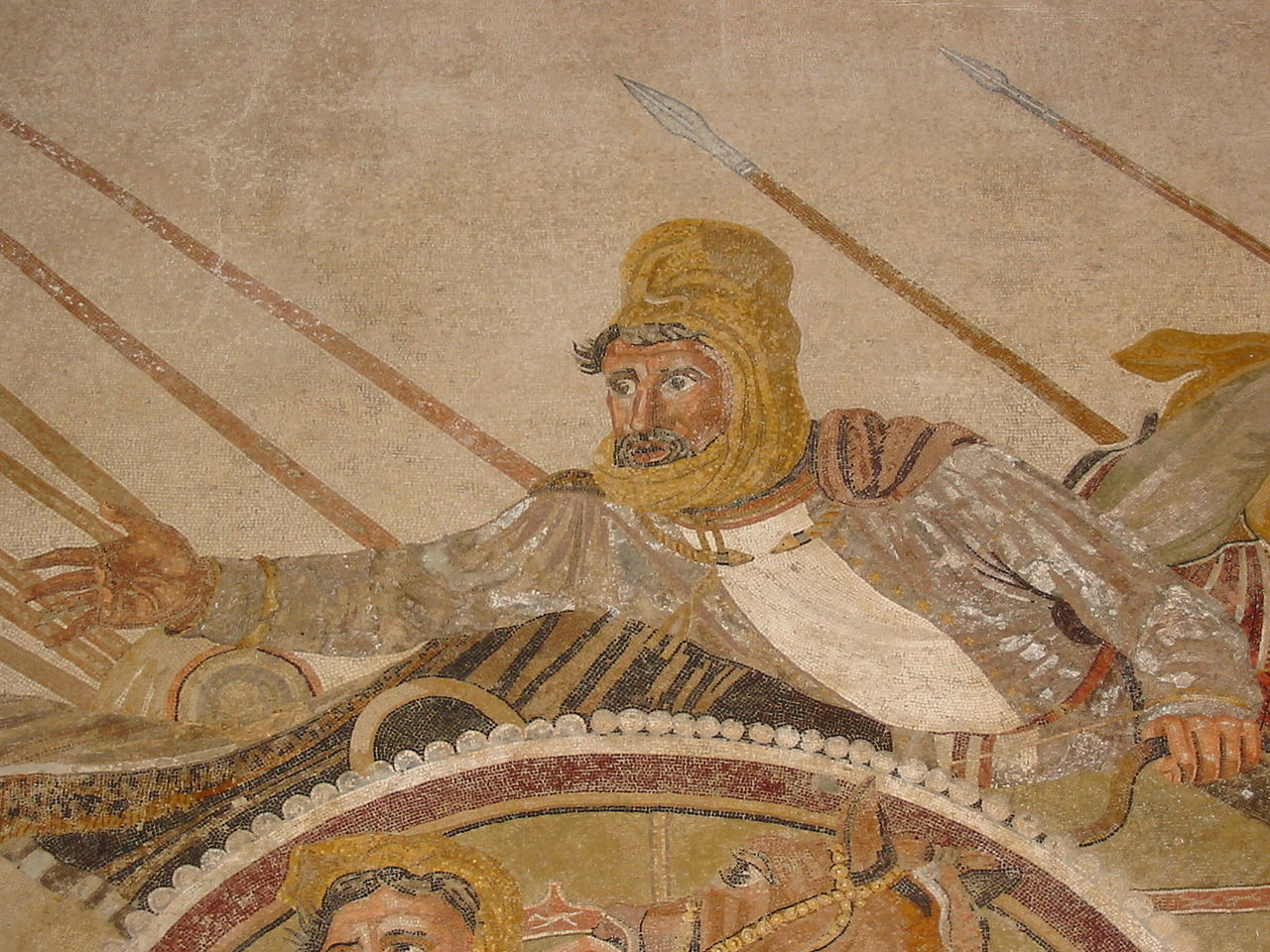
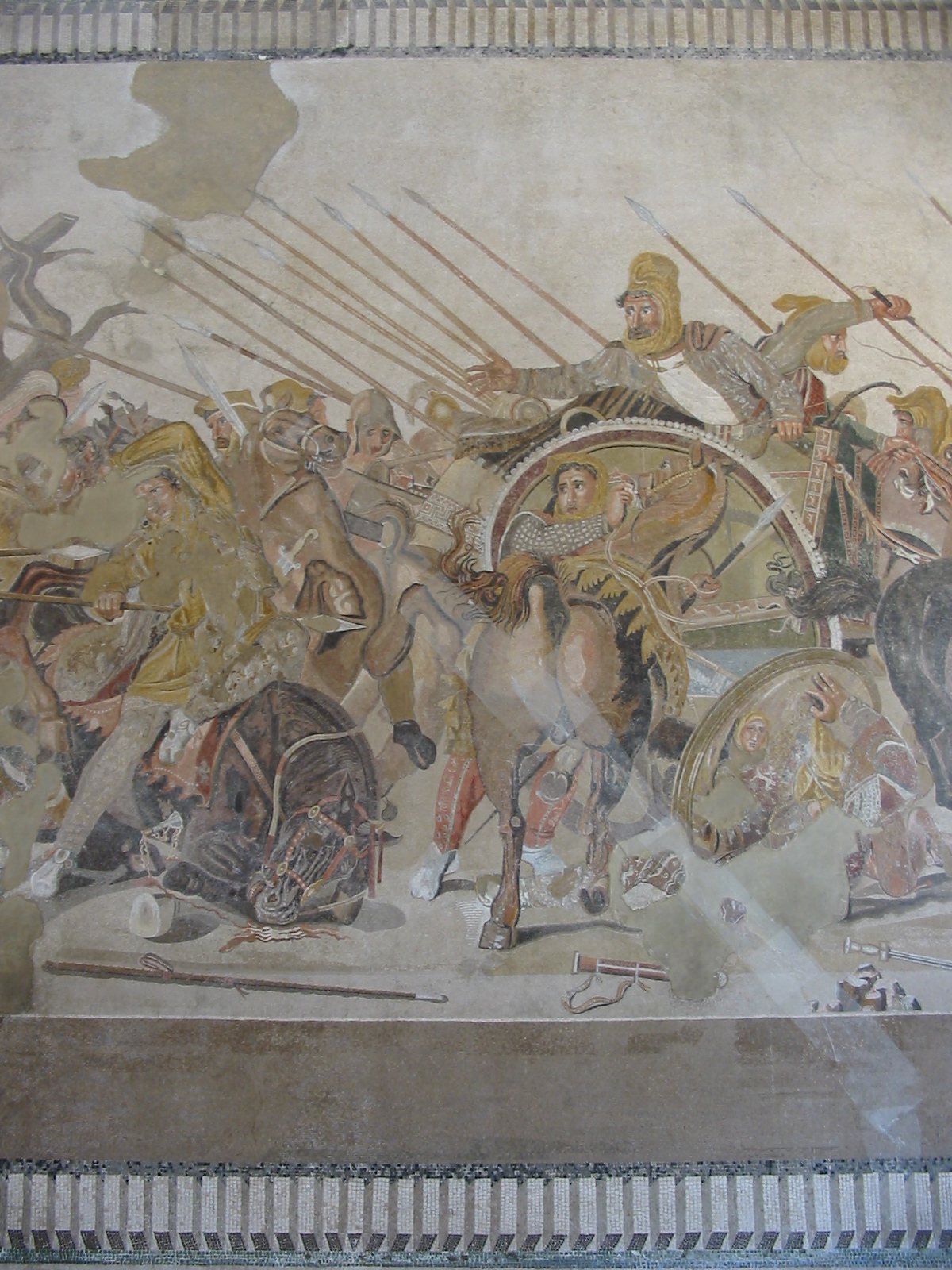
The Alexander Mosaic is a monumental Roman floor mosaic originally set into the dining room of the House of the Faun in Pompeii. Dating to about 100 BC, it depicts a dramatic confrontation between Alexander the Great and the Persian king Darius III during the Battle of Issus. The mosaic measures roughly 2.72 by 5.13 metres and the original is displayed at the National Archaeological Museum in Naples.
Image gallery
9 Images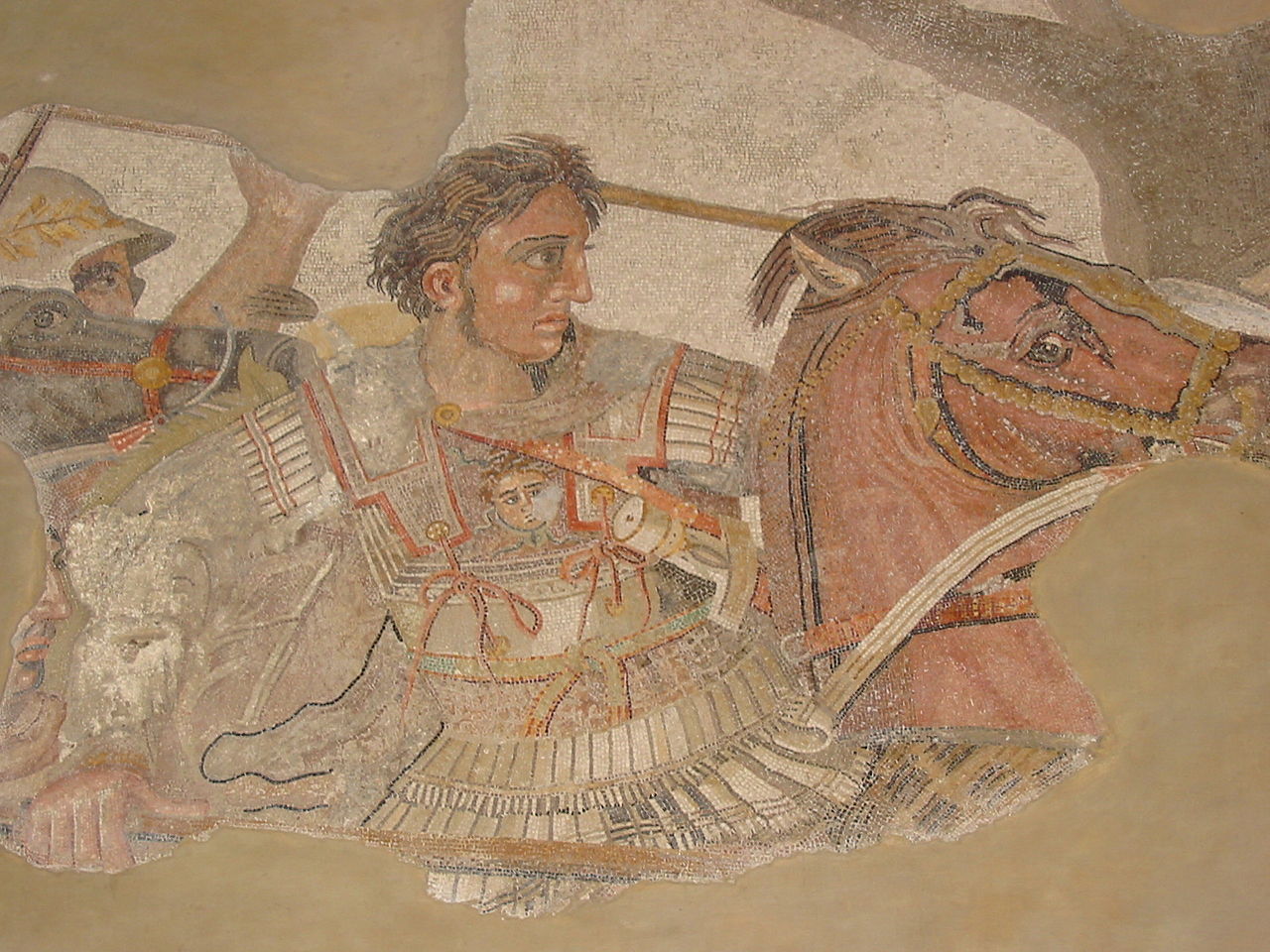




Subject and composition
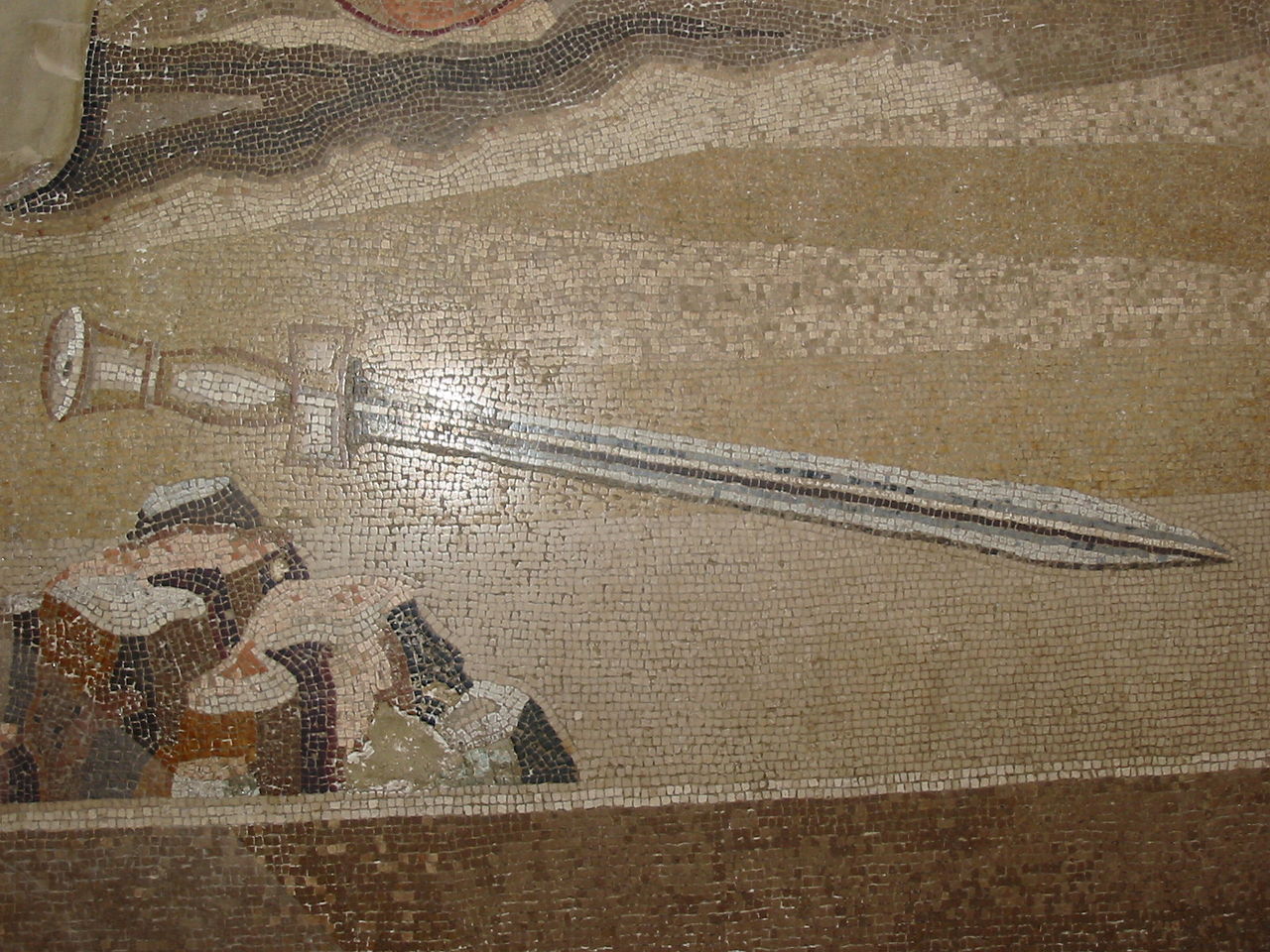
The scene shows Alexander on horseback advancing toward a panicked Persian chariot driven by Darius. The composition emphasizes movement and emotion: rearing horses, fleeing soldiers and the focused, calm figure of Alexander. Art historians believe the mosaic reproduces a well-known Hellenistic pictorial composition, incorporating foreshortening, shading and a crowded battlefield packed with carefully arranged figures.
Origins and artistic model
The mosaic is thought to be based on a large 3rd-century BC Hellenistic painting, often attributed to the painter Philoxenos of Eretria. That earlier work would have been executed in painting technique, while the Roman floor version translates those painterly effects into thousands of small tesserae, a practice influenced by Hellenistic taste for illusionistic imagery.
Technique and materials
- Made from tiny cubes of stone and glass (tesserae) in a detailed technique sometimes called opus vermiculatum.
- Uses a wide palette and subtle gradations to suggest depth and facial expressions.
- Combines broad areas of color with minute modeling around faces and hands to imitate brushwork.
Discovery, conservation and legacy
Found during excavations in Pompeii in the early 19th century, the mosaic has been carefully conserved and was removed from the original site for museum display; a modern copy now occupies the house where the original lay. Scholars value the work both as evidence of Roman taste for Greek art and as a rare record of a lost Hellenistic masterpiece. The image continues to be studied for insights into ancient composition, military iconography and the technical possibilities of mosaic art.
Further reading: museum catalogues and technical studies provide detailed analysis of restoration, iconography and the mosaic's relationship to Hellenistic painting traditions. Related resources: floor mosaic studies, the Alexander literature, and material on the Hellenistic world. For site context see the Pompeii excavations and the House of the Faun reports; for painterly attribution consult sources on Philoxenos.
Questions and answers
Q: What is the Alexander Mosaic?
A: The Alexander Mosaic is a Roman floor mosaic from the House of the Faun in Pompeii that depicts a battle between the armies of Alexander the Great and Darius III of Persia.
Q: When was the Alexander Mosaic made?
A: The Alexander Mosaic was made in 100 BC.
Q: Who is depicted in the Alexander Mosaic?
A: The Alexander Mosaic depicts a battle between the armies of Alexander the Great and Darius III of Persia.
Q: Where is the original Alexander Mosaic located?
A: The original Alexander Mosaic is located at the Naples National Archaeological Museum.
Q: What is the size of the Alexander Mosaic?
A: The Alexander Mosaic measures 2.72 x 5.13m (8 ft 11 in x 16 ft 9 in).
Q: What is the Battle of Issus?
A: The Battle of Issus is a battle between Alexander the Great and Darius III of Persia depicted in the Alexander Mosaic. Alexander won this battle.
Q: Did Alexander and Darius have another battle?
A: Yes, Alexander and Darius had another battle at the Battle of Gaugamela, which Alexander also won.
Related articles
Author
AlegsaOnline.com Alexander Mosaic Leandro Alegsa
URL: https://en.alegsaonline.com/art/2376
Sources
- smarthistory.khanacademy.org : Alexander Mosaic
- archive.archaeology.org : Alexander, Piece by Piece. · webcitation.org