
Air gun — pneumatic firearms, types, history and uses
Overview of air guns: how they work, main types (spring, CO2, pre-charged pneumatic, pump), projectiles, history, uses in sport and hunting, and safety and legal considerations.
Overview
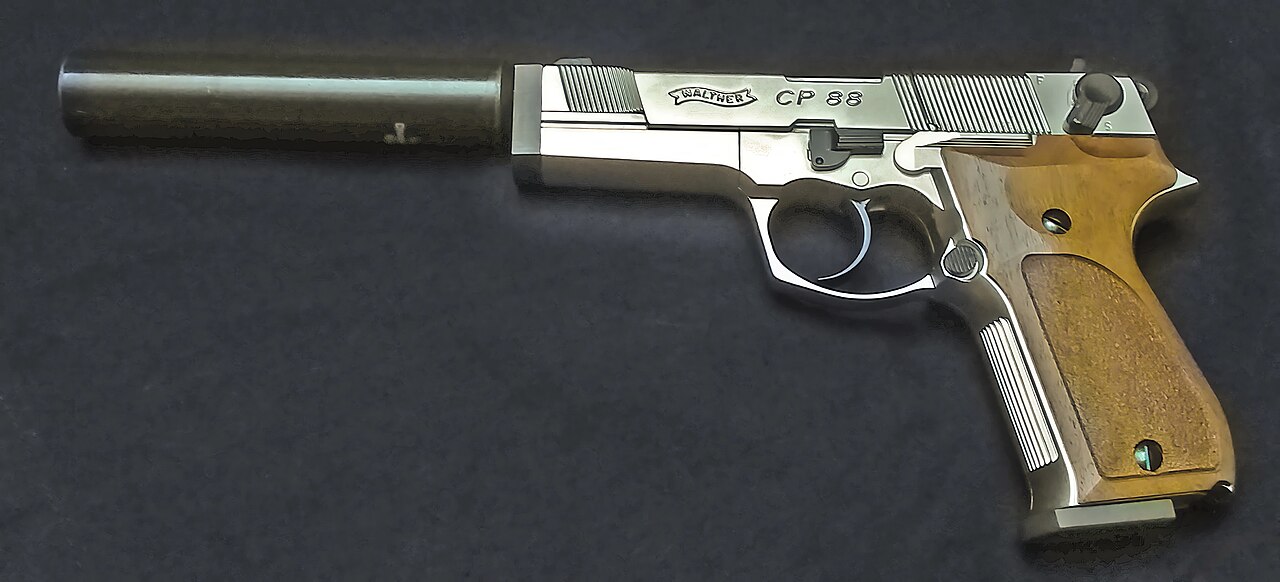
An air gun is a firearm-like device that propels a projectile using compressed gas rather than the combustion of gunpowder. Air guns range from simple, low-power pistols used for informal target practice to high-performance rifles designed for competitive shooting and small-game hunting. They are commonly used where lower noise, reduced recoil, or lower operating cost is important compared with conventional firearms.
Image gallery
10 Images


How they work and main types
All air guns rely on a store of pressurized gas that, when released, accelerates a pellet or BB down the barrel. The principal modern mechanisms are:
- Spring-piston: A coiled spring is compressed by cocking a lever. Releasing the trigger lets the spring drive a piston forward, compressing air in a chamber behind the pellet. Spring guns are simple and self-contained, but usually require cocking before each shot.
- Pre-charged pneumatic (PCP): A high-pressure reservoir is filled with compressed air from a hand pump, scuba tank, or compressor. PCP rifles can deliver consistent power and support multiple shots before refilling, making them popular for precision target shooting and hunting.
- CO2-powered: Small disposable or refillable CO2 cartridges provide gas pressure. CO2 guns are convenient and allow rapid semi-automatic firing in many models, but performance varies with temperature and cartridge condition.
- Pump pneumatic: A manual pump compresses air for each shot or for a small set of shots. These are simple and avoid external tanks, but require repeated manual pumping.
Projectiles, calibres and magazines
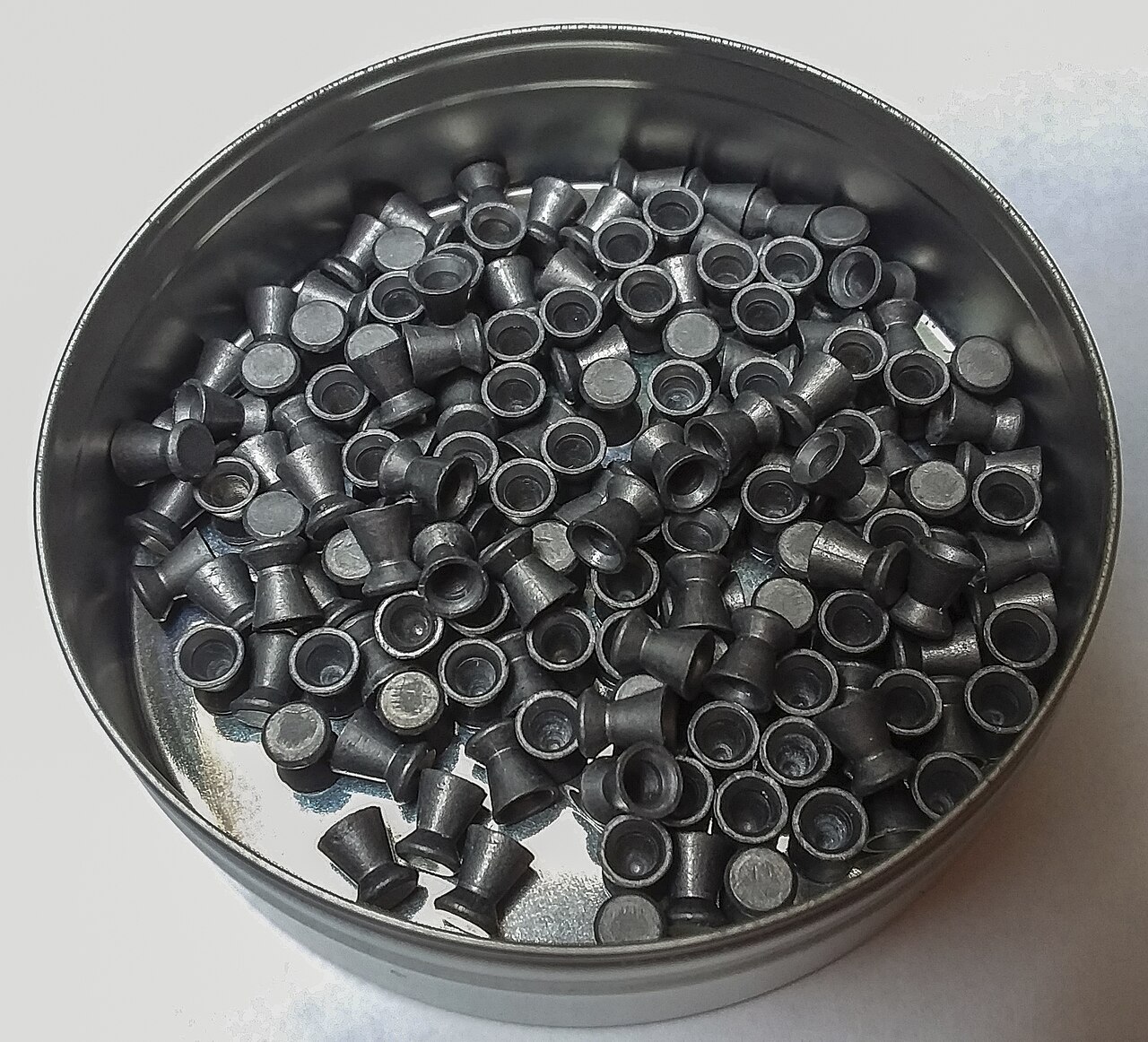
Projectiles for air guns are usually diabolo-shaped pellets cast from lead or alloy, designed for aerodynamic stability. A separate class uses smooth, spherical BBs historically derived from shot sizes used in shotguns; the term "BB" originally referred to a shot size, not a ball bearing. Common calibres include 4.5 mm (.177) and 5.5 mm (.22), with other sizes available for specialized purposes. Feed systems vary from single-shot breeches to repeaters with magazines or multi-shot cylinders.
History and development
Pneumatic weapons date back several centuries, with early examples using bellows and reservoirs to store air. Over time, mechanical and material advances produced more compact and reliable systems. The 19th and 20th centuries saw improvements in spring mechanisms, precision rifling, and the introduction of CO2 cartridges and compressed-air reservoirs, expanding the practical uses of air guns from military curiosities to sporting and pest-control tools.
Uses and importance
Air guns serve a variety of civilian roles: recreational target shooting, formal competition (including Olympic 10 m air rifle and air pistol events), small-game hunting and vermin control, and firearms training. Their generally lower noise and reduced regulatory burden in some jurisdictions make them accessible for beginners and indoor range activities. Enthusiasts also value airguns for their accuracy at short to medium ranges when well maintained and properly scoped.
Safety, regulation and notable distinctions
Although less powerful than powder firearms, air guns can still cause serious injury or death and must be handled with care. Safety practices include treating every gun as loaded, keeping the muzzle pointed in a safe direction, using eye protection, and storing guns and ammunition securely. Legal controls vary widely: some countries treat high-power air guns like firearms, requiring licenses or sales restrictions, while others regulate them more lightly. Prospective users should check local laws and follow published safety guidance.
Further reading and resources
For practical information on specific models, shooting disciplines and local legal rules see these resources: General overview, pellets and BBs, legal frameworks, competitive shooting, safety advice, recreational shooting and hunting with airguns.
Related articles
Author
AlegsaOnline.com Air gun — pneumatic firearms, types, history and uses Leandro Alegsa
URL: https://en.alegsaonline.com/art/1628
Sources
- huntinggearlab.com : "Hunting Gear Reviews & Comparison"
- wisegeek.com : "What Is an Air Gun?"