
Aikido — Japanese martial art of harmony and joint techniques
Aikido is a modern Japanese martial art founded by Morihei Ueshiba that emphasizes blending with an attack, using throws and joint locks, and developing physical skill together with a harmonious spirit.
Overview
Aikido is a modern Japanese martial art developed in the early 20th century by Morihei Ueshiba. It is distinctive for its emphasis on redirecting an attacker’s energy rather than meeting force with force. Practitioners aim to control or neutralize aggression while minimizing injury to both defender and assailant. Training combines physical technique, paired practice, and attention to balance, timing, and posture.
Image gallery
10 Images






Techniques and practice
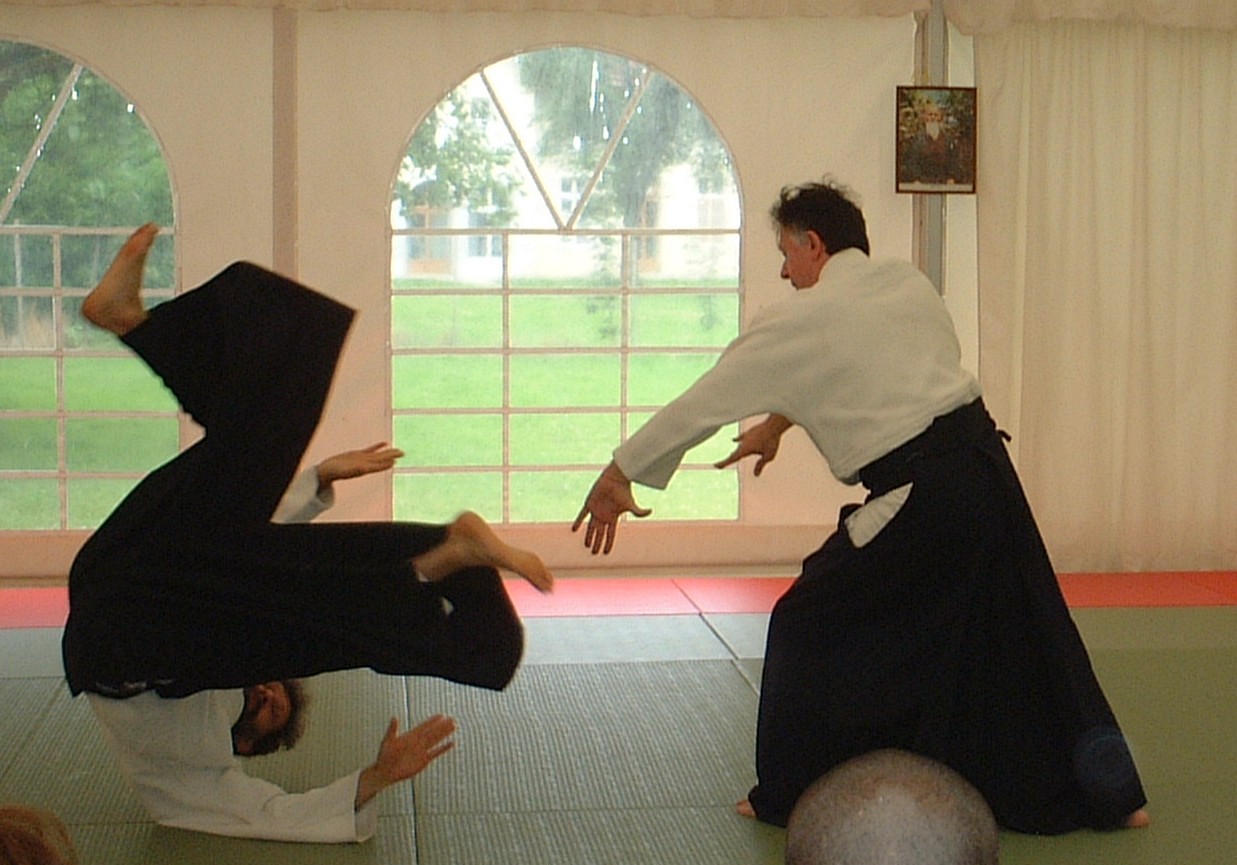
Techniques in aikido employ circular movement, joint manipulation, and throws. Rather than striking repeatedly, an aikidoka seeks to unbalance an opponent and apply a controlling technique that may end in a takedown or immobilizing joint lock. Practice typically involves two roles: one person initiates an attack and the other performs the defensive technique. Repetitive partnered exercises build sensitivity and timing.
- Common elements: blending, entering (irimi), turning (tenkan), and off-balancing.
- Typical outcomes: throws (nage-waza), pins, and joint locks (kansetsu-waza).
- Supplementary training: ukemi (breakfalls) and weapons work with bokken, jo, and tanto to teach distance and line of attack.
Because techniques rely on using the attacker’s motion and momentum, practitioners stress relaxed, precise movement over brute strength. This reliance on redirecting force is often described with reference to the concept of "ki" or energy flow and is central to many explanations of how aikido works in practice, including the use of the attacker’s own momentum in a technique (momentum).
History and development
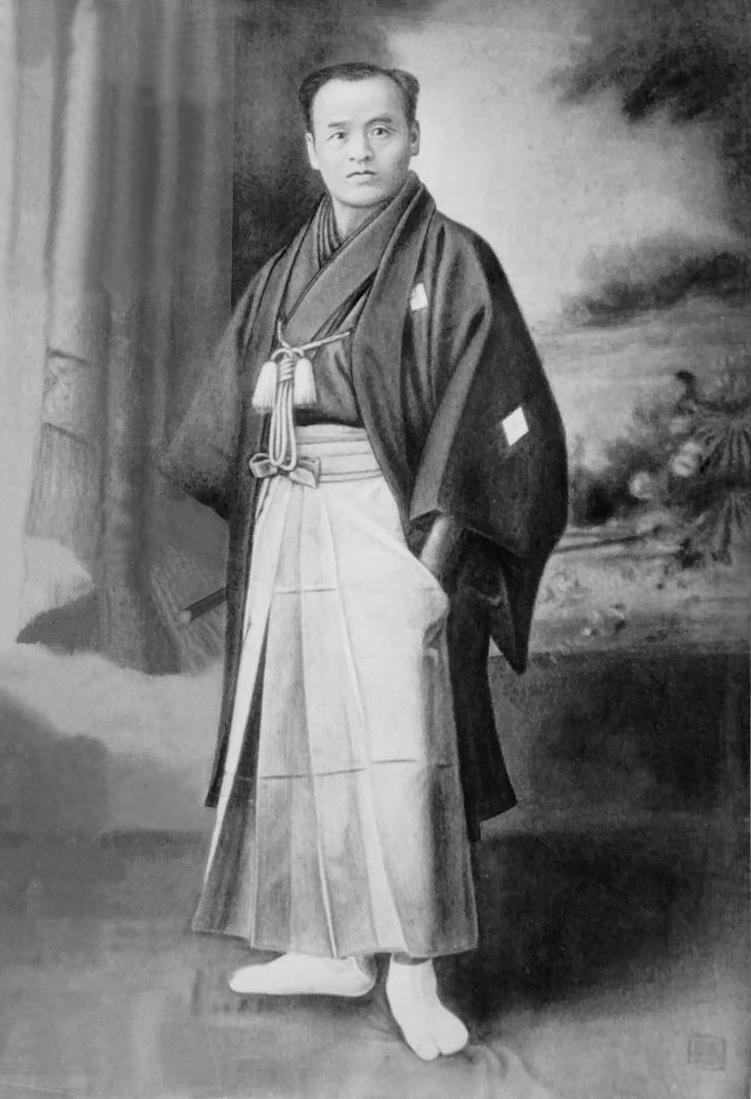
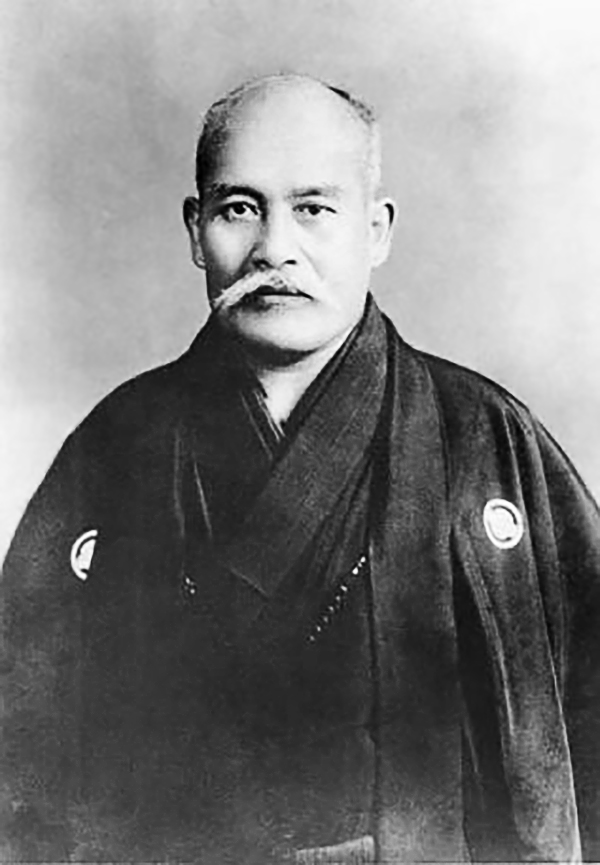
Aikido evolved from classical Japanese jujutsu and related systems, particularly Daitō-ryū Aiki-jūjutsu. Morihei Ueshiba synthesized martial skills with his personal philosophy and spiritual influences, adapting techniques and pedagogy over several decades. Early teachings were sometimes referred to as aiki-jūjutsu; as Ueshiba refined his approach and emphasized harmony, the discipline became known as aikidō.
Philosophy and cultural context
Philosophical and ethical ideas are woven into aikido training. Ueshiba spoke of cultivating a peaceful spirit in which conflict is resolved without unnecessary harm; this aspiration is commonly summarized as "the way of harmonizing energy" or "the way of harmonious spirit." Many schools incorporate meditative practice, breathing exercises, and moral precepts to support physical training and personal development. The role of inner energy or intention is frequently discussed in teaching and interpretation (philosophy).
Styles, uses, and notable distinctions
After Ueshiba’s lifetime, students taught variations that emphasize different aspects: some stress dynamic throws and competitive rehearsal, others prioritize control and spiritual practice. Aikido is not primarily a sport—most lineages avoid competition in favor of cooperative training—but it is practiced worldwide for self-defense, physical fitness, discipline, and conflict de-escalation. While aikido contains grappling, pins, and locks similar to other arts, it is distinct in its consistent focus on blending and harmonizing with an attack rather than opposing it directly (grappling).
Across dojos and national organizations, safety for uke (the receiver) is an important consideration: techniques are taught gradually with progressive resistance so students can learn effective application while limiting harm. Today aikido remains a living martial art with diverse interpretations, shared technical roots, and a continuing interest from practitioners seeking both self-defense skills and personal development.
Related articles
Author
AlegsaOnline.com Aikido — Japanese martial art of harmony and joint techniques Leandro Alegsa
URL: https://en.alegsaonline.com/art/1557
Sources
- books.google.com : "Aikidō"
- books.google.com : "Ueshiba Morihei"
- aikidojournal.com : "Aikido"
- aikidojournal.com : "Aikijujutsu"