
Air raid: nature, history, and civil defence measures
An air raid is an airborne attack that drops explosives or conducts strafing from aircraft. Article covers types, history, civil-defence responses (sirens, shelters, 'all clear') and notable developments.
Overview
An air raid is a military action in which aircraft deliver explosive ordnance, incendiaries, or strafing fire against targets on land or at sea. Air raids can be aimed at military installations, industrial targets, transportation networks, or population centres. Their scale ranges from brief tactical strikes to sustained strategic bombardment intended to deny the enemy resources or to weaken morale.
Image gallery
5 Images


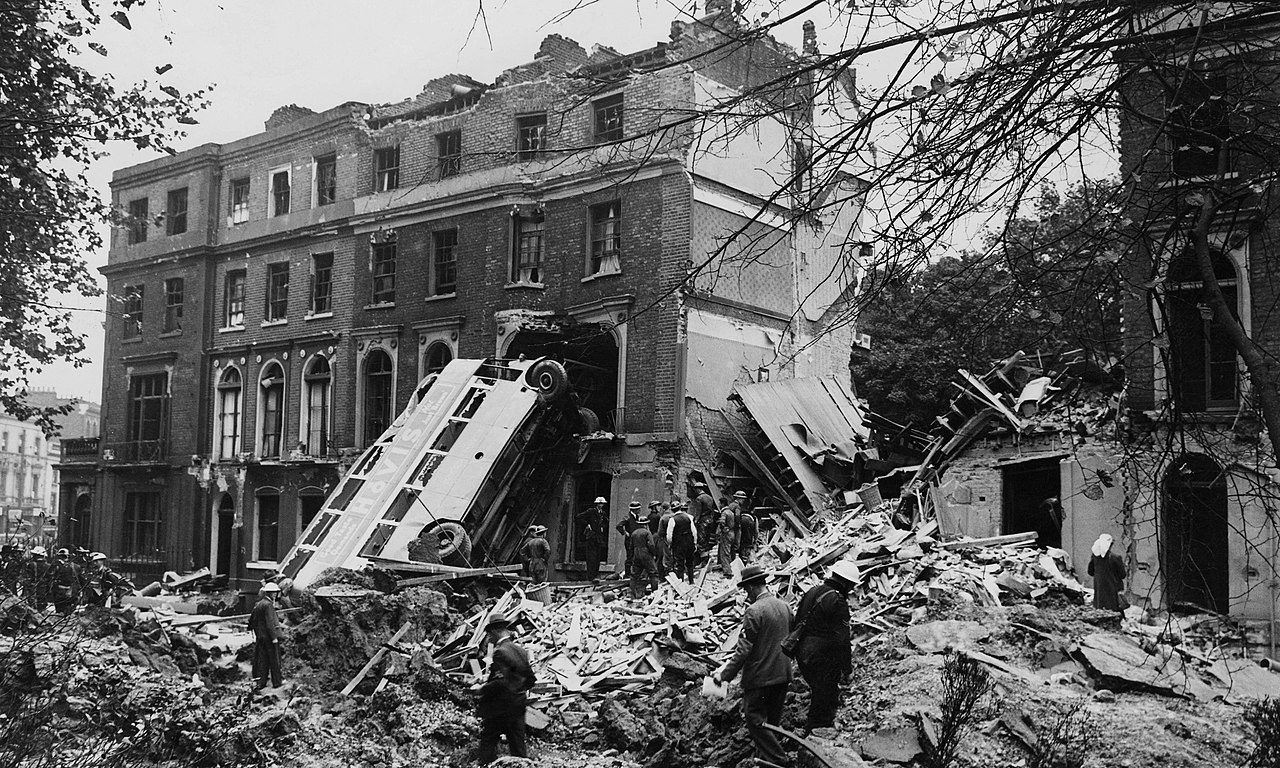

Characteristics and components
Typical elements of an air raid include detection and approach by attacking aircraft, delivery of weapons, and defensive responses from those threatened. Attacks may be:
- Strategic — intended to destroy industry, infrastructure or large population centres;
- Tactical — intended to influence a nearby battlefield or tactical objective;
- Precision — focused on specific targets using guided munitions;
- Area or carpet bombing — widespread bombardment across a zone rather than a single point.
History and development
Air raids emerged with the first military uses of aircraft and lighter-than-air craft in the early 20th century. In World War I, airships and early bombers first struck cities and ports. Between the wars and during World War II, advances in aircraft performance, ordnance and navigation made large-scale strategic bombing possible, producing some of the most destructive air raids in history. After mid-20th century technological changes — radar, jet fighters, guided weapons and satellites — the character of air raids evolved, with greater emphasis on precision strikes and electronic warfare. Unmanned systems and stand-off weapons have further changed how modern attacks are conducted.
Civil defence, warnings and shelters
Civilians in threatened areas are protected mainly by early-warning systems and shelters. Detection methods such as radar and radio intercepts can trigger public alerts. Warning signals are commonly broadcast as sirens, radio and broadcast messages; the same systems typically transmit an "all clear" when the danger has passed. People encouraged to seek refuge may use purpose-built air raid shelter structures, basements, or designated public shelters. Additional measures include blackout regulations, evacuation plans, and improvised protection against blast and debris.
Effects, importance and examples
Air raids can cause military disruption, civilian casualties, and long-term damage to infrastructure and economy. Beyond immediate destruction, they can create refugee movements, interrupt supply chains and alter political calculations. Notable historical examples illustrate both military aims and humanitarian consequences. Civil defence practices developed in response have influenced urban planning and emergency management in many nations.
Distinctions and notable facts
"Air raid" refers specifically to attacks delivered from aircraft and differs from artillery bombardment or naval gunfire. The phrase is also associated with particular protocols — warning sirens, sheltering procedures, and the "all clear" announcement — that remain central to civilian protection. While the technology and scale of aerial attacks have changed, the challenge of protecting non-combatants and critical infrastructure endures.
Related articles
Author
AlegsaOnline.com Air raid: nature, history, and civil defence measures Leandro Alegsa
URL: https://en.alegsaonline.com/art/1648