
Height (vertical measurement)
Height is the vertical distance between an object's lowest and highest points. This article explains definitions, measurement methods, human variation, uses, history, and distinctions from related concepts.
Overview
Height is the vertical distance between the lowest and highest points of an object or person when a reference orientation is chosen. In common use, height refers to how tall something is when measured from its base to its top along the direction of gravity. The concept is relative to a chosen baseline or support surface; for example, a standing person's height is measured from the sole of the foot to the crown of the head. For basic definitions of distance and extent see distance.
Image gallery
1 Image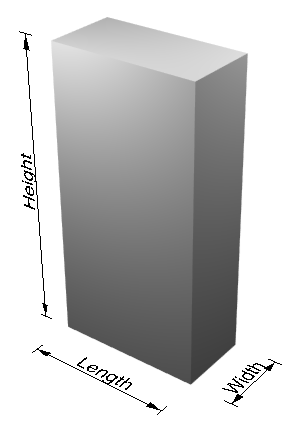
Measurement and units
Height is expressed in units used for linear measurement. Internationally, the metric units meters and centimeters are standard; in some countries feet and inches remain common. Measurement tools include a stadiometer or vertical ruler for people, a tape measure for objects, and laser or ultrasonic devices for large structures. Surveying instruments and altimeters measure vertical separation from a reference surface for geographic features.
- Common tools: stadiometer, tape measure, laser rangefinder.
- Common units: meters, centimeters, feet, inches.
- Example: if the distance from the sole of a foot to the top of a head is 64 inches, that value represents the person’s height.
Human height
Human height varies by age, sex, genetics, nutrition, health, and environmental conditions. Populations show different average adult heights; global averages are often cited around 170 cm for men and 160 cm for women, though local values differ markedly. Growth follows predictable patterns in childhood and adolescence and is summarized with growth charts used in clinical practice. Height is also a useful epidemiological indicator of childhood health and nutrition.
Uses, importance, and examples
Height has practical importance across many fields. In architecture and engineering it defines clearance, story height, and skyline profile. In ergonomics and product design it informs dimensions for furniture, doorways, and vehicle cabins. In medicine and public health, height helps assess nutritional status and developmental disorders. In sports, height can confer advantages or disadvantages depending on the discipline.
History and distinctions
The systematic study of human height emerged with anthropometry in the 19th and 20th centuries and continues in public health research. Average heights in many regions increased during the 20th century with improved living conditions; this phenomenon is often called a secular trend. It is important to distinguish height from related concepts: length (a general one‑dimensional measure), elevation or altitude (vertical distance relative to sea level), and clearance (usable vertical space). Orientation matters: an object's height depends on how it is positioned relative to the chosen baseline.
Notable facts include the varied measures used for buildings (architectural height, roof height, tip height) and the role of standardized measurement procedures to ensure consistent comparisons across individuals and structures.
Related articles
Author
AlegsaOnline.com Height (vertical measurement) Leandro Alegsa
URL: https://en.alegsaonline.com/art/43245