
Book of Ezekiel
A concise guide to the Book of Ezekiel: its place in the Hebrew Bible, structure, major visions, historical setting, theological themes and later influence.
Overview
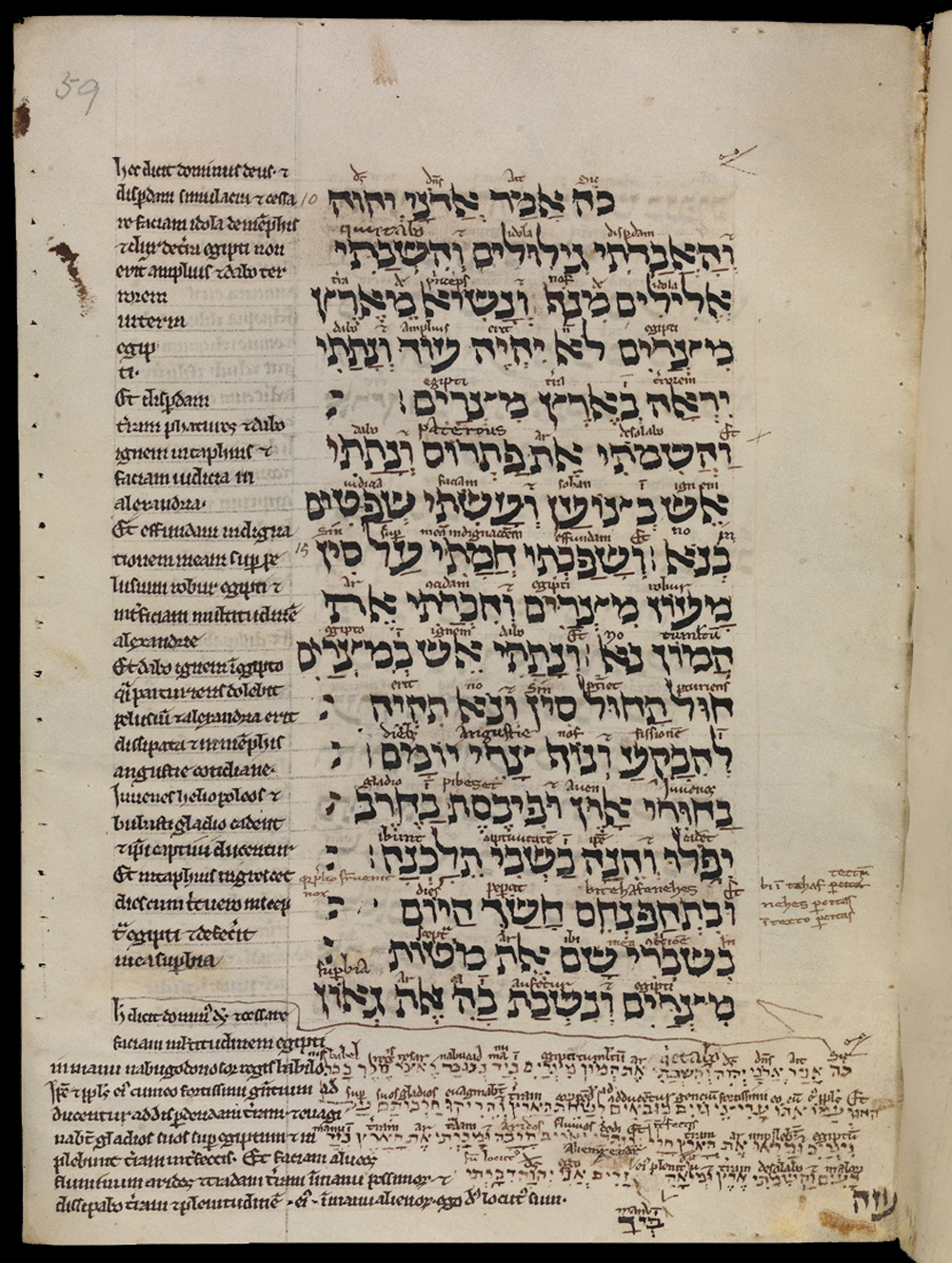
The Book of Ezekiel is a prophetic book in the Hebrew Bible and the Christian Old Testament. Its Hebrew name appears as Sefer Yeḥezqel, and the book is counted among the Prophets (the Nevi'im). It is traditionally attributed to the prophet Ezekiel, an Israelite priest who lived during the Babylonian exile in the early 6th century BCE. The work is composed of 48 chapters and combines vivid visionary material, spoken oracles, symbolic actions, and legal or liturgical passages.
Image gallery
9 Images





Contents and structure
Scholars commonly divide the book into broad sections: oracles of judgment against Jerusalem and surrounding nations; narratives and visions that address the exilic community; and promises of restoration. Key structural features include extended visionary sequences, prophetic enactments performed by Ezekiel to dramatize divine messages, and a final block focused on the renewed temple, land allocation, and cultic arrangements.
Major visions and themes
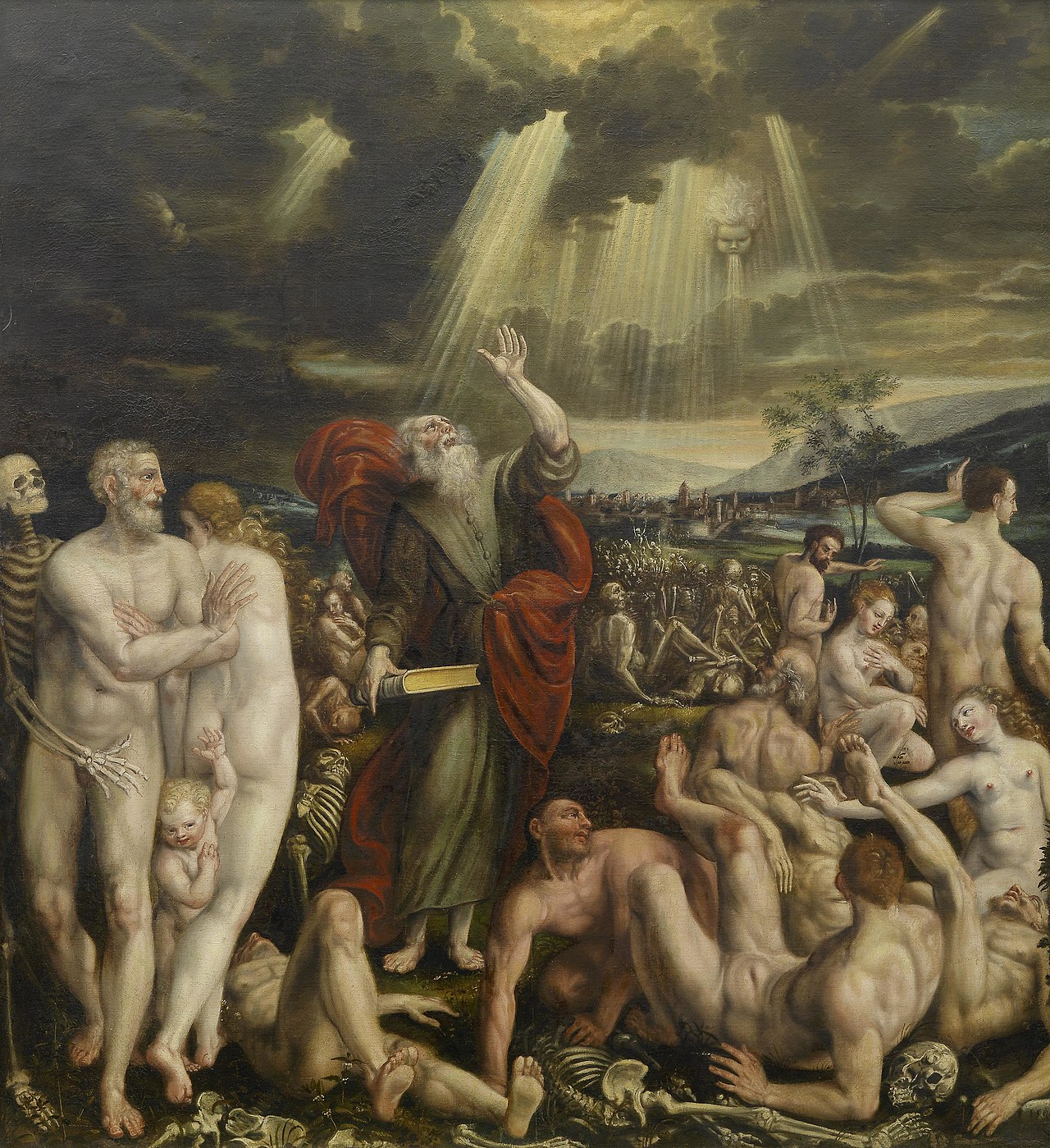
Several images from Ezekiel are widely known and have shaped later religious imagination. The opening vision of four living creatures and the complex system of interlocking wheels — often called the "chariot" vision — depicts divine mobility and presence. The vision of the valley of dry bones powerfully symbolizes national restoration: scattered bones brought back to life as a sign that the exiled community can be reconstituted. Other prominent themes include the holiness of God, individual responsibility, judgment for idolatry, and the hope for a renewed Land of Israel.
Historical setting and prophetic practice
Ezekiel prophesied while many Judeans were in captivity after the conquest of Jerusalem by Babylon. He is presented both as a priest and as a prophet, which influences his concern with ritual, purity, and temple life. To communicate his message he employed symbolic actions — for example, portraying a siege or shaving his head — to dramatize impending judgment and to compel attention from his audience, the exiles and those who would hear of their fate.
Later sections: Gog and Magog, temple and land
The book ends with distinctive material: an eschatological war often called the war of Gog and Magog (chapters 38–39); a detailed vision of an idealized temple and its cultic arrangements (chapters 40–47); and the determination and division of the land among Israel's twelve tribes (chapters 47–48). These passages have been read as literal plans, symbolic theology, or visionary blueprints for communal restoration.
Reception and significance
Ezekiel has played a major role in Jewish and Christian thought. Its imagery appears in liturgy, art, and apocalyptic literature. Interpreters debate how literally to take the temple material and the prophetic enactments, but the book is widely read as a complex reflection on divine justice, communal identity, and hope after catastrophe. The text also addresses ethical responsibility and the possibility of renewal under a sovereign God, a message aimed at the Israelites and communities shaped by exile.
Key topics and chapter guide
- Judgment oracles and symbolic acts (chapters 1–24)
- Oracles against nations and the fate of Jerusalem (25–32)
- Promises of restoration and the dry bones vision (33–37)
- Gog and Magog (38–39)
- Temple vision and laws (40–47) — see the new temple
- Land boundaries and tribal divisions (47–48) — see boundary material
For further exploration of the book's language, history, and interpretation, consult scholarly commentaries and resources on the Hebrew Bible and the Christian Old Testament (Hebrew Bible, Old Testament), or specialized studies of prophetic literature and exile-period history (Hebrew title, Nevi'im, God, Israelites, Babylon, Land of Israel, new temple, boundaries).
Related articles
Author
AlegsaOnline.com Book of Ezekiel Leandro Alegsa
URL: https://en.alegsaonline.com/art/12963
Sources
- youtube.com : youtube.com/watch?v=UU1PDxrzQOs
- youtube.com : youtube.com/watch?v=pYb8Wm6-QfA