
Book of Hosea
Overview of the Book of Hosea: an 8th-century BCE prophetic text in the Hebrew Bible and Christian Old Testament, its marriage allegory, structure, themes of covenant, idolatry, judgment and restoration.
Overview
The Book of Hosea is a prophetic book found in the Hebrew Bible and in Christian collections of the Old Testament. It is traditionally attributed to the prophet Hosea and is usually dated to the eighth century BCE, a period of political tension and religious change in the northern kingdom of Israel. The work is notable for using the prophet's personal life as an enacted metaphor to address national faithfulness.
Image gallery
3 Images

Structure and contents
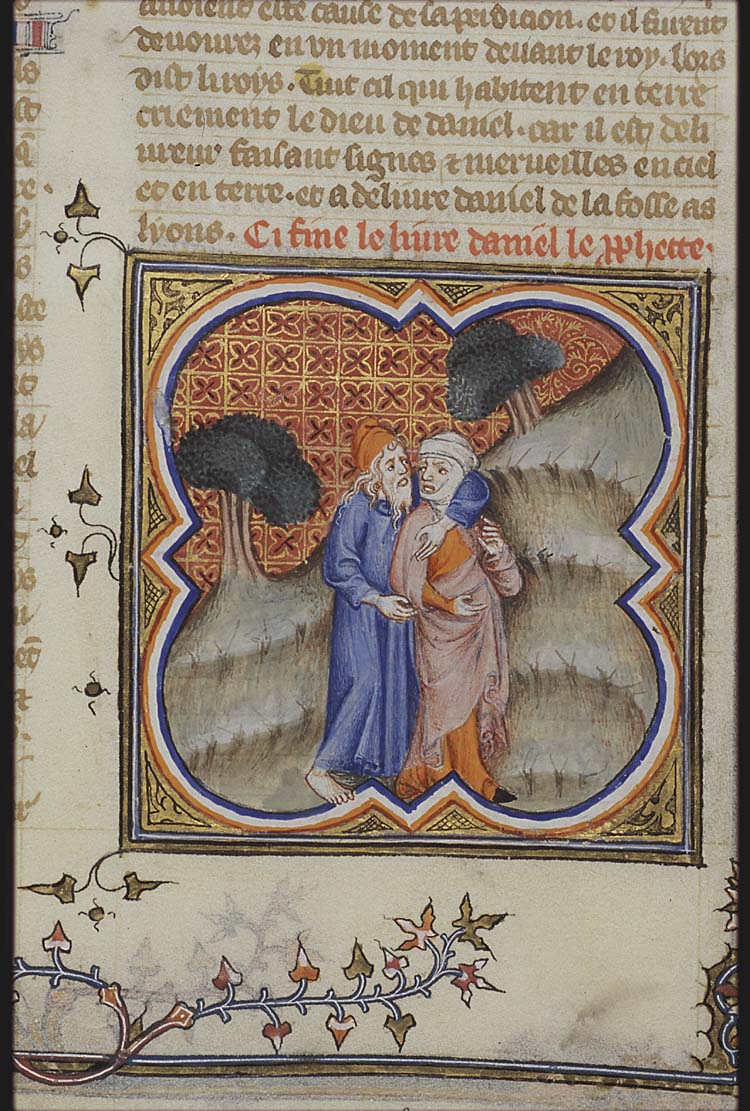
The book combines narrative, symbolic action and poetic oracles. Chapters 1–3 record an unusual autobiographical episode in which Hosea is commanded to marry and remain linked to a woman whose conduct symbolizes Israel's unfaithfulness. The remainder contains prophetic speeches that alternate accusation, legal language of covenant breach, warnings of judgement and promises of eventual restoration.
Symbols and key elements
One of the most striking devices is the use of family life and personal names as theological symbols. Hosea's children receive names that carry prophetic meaning: Jezreel and two names commonly rendered as Lo-Ruhamah (often translated as "not pitied") and Lo-Ammi (often translated as "not my people"). These names and the marriage imagery communicate the themes of infidelity, rupture of covenant and the social consequences of idolatry.
Historical context
Hosea prophesied during a time when Assyrian expansion threatened the region and when syncretistic religious practices—such as Baal worship—were widespread in parts of Israel. The book addresses both religious apostasy and social concerns like injustice, while framing Israel's behavior as a breach of the covenant with God. Readers often place Hosea among the Twelve Minor Prophets in both Jewish and Christian canons; see the collection in the Hebrew Bible and in the Christian Old Testament.
Themes and significance
Major themes include divine love and anger, judgment for covenant unfaithfulness, the possibility of repentance and restoration, and the ethical call to right action. The book's combination of emotional appeal and legal argumentation has made it important for later religious reflection on mercy, forgiveness and communal responsibility. Its vivid metaphors and the intimate scale of its prophetic action distinguish it in the prophetic corpus.
Distinctive features and scholarly notes
- Enacted prophecy: Hosea's personal life functions as a deliberate sign-act, uncommon in this explicit form among prophetic books.
- Literary variety: the text mixes prose narrative with poetry and oracle material.
- Interpretation: scholars often analyze the book's composition, noting possible editorial layers and later theological shaping, while traditions emphasize its moral and pastoral messages.
Taken together, these elements make the Book of Hosea a compact but theologically rich text that continues to be studied for its insights into covenantal relationships, social ethics and religious devotion.
Tags
Related articles
Author
AlegsaOnline.com Book of Hosea Leandro Alegsa
URL: https://en.alegsaonline.com/art/12968