
Tribes of Israel: origin, organization, and historical legacy
The twelve tribes of Israel trace to Jacob’s sons. This article explains their origins, territorial allotments, the special role of Levi and Joseph’s split, historical developments and their cultural and religious legacy.
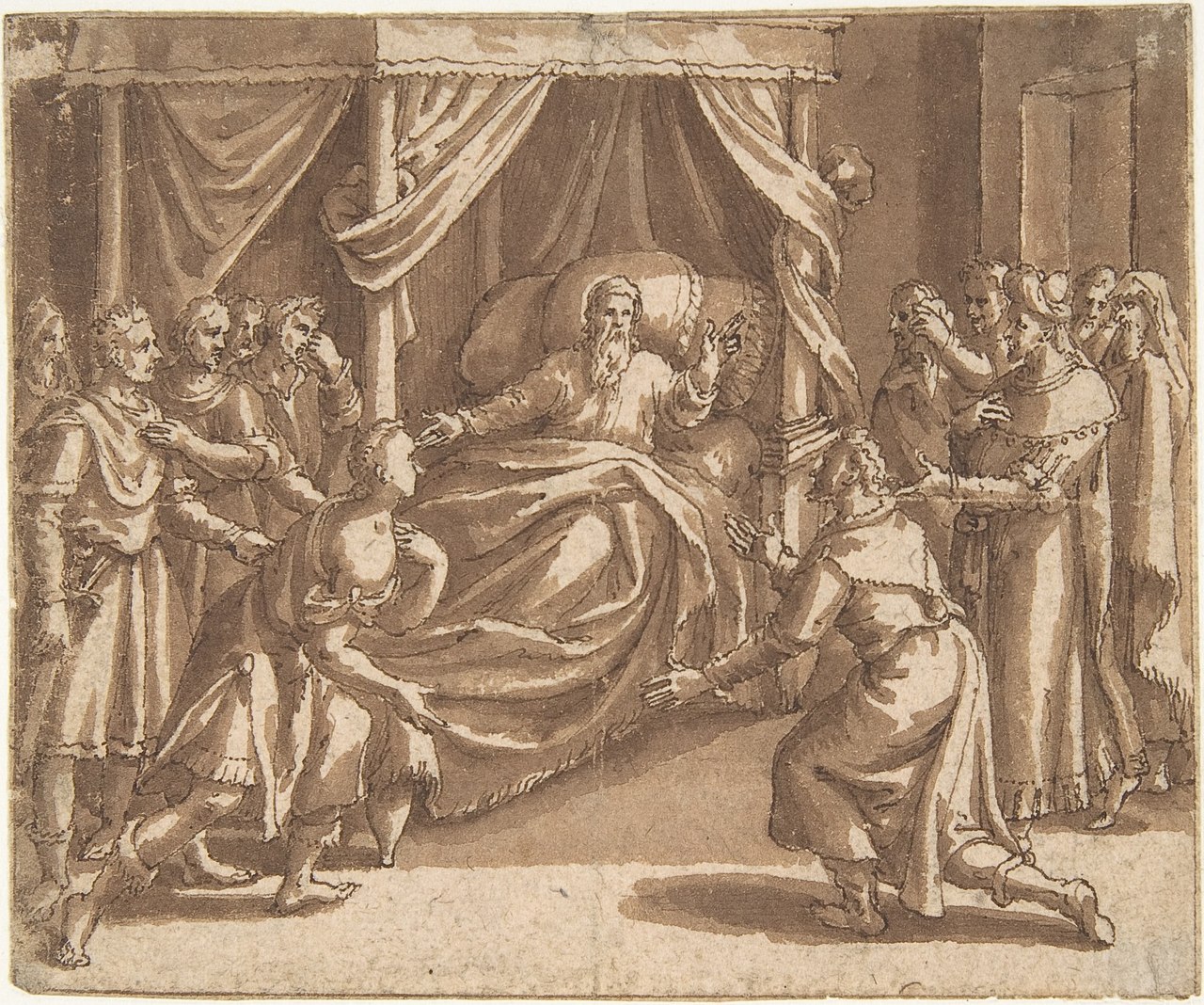
The phrase Israelites traditionally refers to the descendants of Jacob, the patriarch also called Israel. Jacob had twelve sons, and each son became the eponymous ancestor of one of the original twelve tribes. These tribal groupings appear throughout the Hebrew Bible as both kinship units and as the basis for later territorial division.
Image gallery
10 Images




Names of the tribes
- Reuben
- Simeon
- Levi
- Judah
- Dan
- Naphtali
- Gad
- Asher
- Issachar
- Zebulun
- Joseph (later represented by Ephraim and Manasseh)
- Benjamin
Joseph’s two sons, Ephraim and Manasseh, are commonly treated as separate tribal entities in land allotment lists, which leads to the familiar situation of thirteen named territories while preserving the concept of twelve tribes. The priestly clan of Levi is distinct: instead of receiving a regular territorial inheritance, Levites were assigned religious duties and designated urban settlements tied to temple service.
Territory and social organization
The distribution of the tribal lands in the narrative tradition is concentrated in and around the biblical Land of Israel, with some groups settling on both sides of the Jordan River. In several accounts certain clans and families are associated with particular regions, natural resources, and local leadership. Levites and other religious functionaries performed temple-related services rather than acting as a territorial polity; their support came from tithes and allocations, and they lived in specified Levitical cities while serving central sanctuaries and the temple.
History and later developments
In the biblical chronology the tribes settle the land after an entry period, form a loose confederation during the era of the judges, and later coalesce under monarchic rule. Political changes produced a division: the northern house often called Israel and the southern kingdom centered on Judah. Over time conquests, deportations and migrations altered the tribal map. The fate of several northern tribes after the Assyrian conquest gave rise to the popular idea of the so-called "Ten Lost Tribes," while the identity centered on Judah and Benjamin shaped the post-exilic community.
Significance and legacy
The tribal framework remains important in religious texts, liturgy and tradition, and it shaped ancient legal, landowning and priestly arrangements. Tribal names have persisted in place names, family histories and cultural memory. Modern scholarship treats the tribal lists as a mixture of genealogical memory, political claims to territory and later editorial shaping; archaeological and textual studies continue to refine our understanding of how much the biblical tribal system reflects historical realities.
For further background on origins, names and territorial lists see summaries and source texts that collect the genealogical and allotment traditions, and consult thematic studies on the relationship between tribal identity and later national developments.
Related topics and resources include broader studies of the patriarchal narratives, compilations of tribal lists and analyses of the historic role of the Levites and the Joseph tribes, as well as modern discussions of tribal memory and identity in Jewish and regional history. Additional references: Israelites overview, tribal lists, and regional histories linked to the Land of Israel.
Related articles
Author
AlegsaOnline.com Tribes of Israel: origin, organization, and historical legacy Leandro Alegsa
URL: https://en.alegsaonline.com/art/101456