
Book of Habakkuk: Overview, Themes, Historical Context, and Influence
A concise encyclopedia entry on the Book of Habakkuk: its structure, themes (justice, faith, divine sovereignty), historical setting, notable verses, and its reception in Jewish and Christian traditions.
Overview
The Book of Habakkuk is a short prophetic text placed among the twelve Minor Prophets of the Hebrew canon. Traditionally attributed to the prophet Habakkuk, it records a dialogue between the prophet and God about suffering, injustice, and divine judgment. The book is notable for its vivid questions and answers, its poetic form in the closing chapter, and its central theological concern with how a righteous person should live in an unjust world.
Image gallery
8 Images


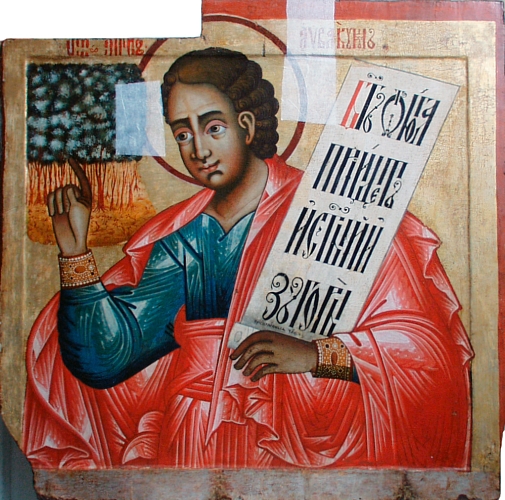

Structure and key passages
The work is compact and can be divided into three parts: two complaint-and-response sections in which the prophet questions God's tolerance of violence and the use of foreign powers, followed by a prayerful psalm that closes the book. Among the most quoted lines is the assertion that "the righteous shall live by faith," a short statement that has been widely cited in later religious literature.
- First dialogue: Habakkuk asks why wrongdoing goes unpunished.
- Second dialogue: God announces that Babylon will be used as an instrument of judgment, prompting a further protest.
- Final psalm: A hymn of trust that affirms faith even amid loss.
Historical context and authorship
The book is commonly dated to the late seventh or early sixth century BCE, a time of rising imperial pressures in the ancient Near East. Its setting reflects the turmoil leading up to the Babylonian ascendancy. Scholars link its themes to the experience of Judah facing invasion, deportation, and moral crisis. Tradition names Habakkuk as the author, though the text itself gives little personal detail apart from the prophet's lament and vision.
Themes and theological emphasis
Habakkuk addresses several interlocking themes: divine justice, the problem of evil, theodicy (why God permits injustice), and the appropriate human response to suffering. The book wrestles with the paradox of a just deity employing a more wicked nation to execute judgment. Its concluding posture emphasizes trust and hope: even when material prosperity is stripped away, devotion and confidence in God endure.
Influence, reception, and notable references
The short book has exercised influence far beyond its size. The statement about living by faith became a touchstone in later Jewish and Christian reflection and is cited in New Testament writings to discuss faith and righteousness. The psalmic ending has been compared to other wisdom and lament traditions, such as the Book of Job, because of its detailed response to calamity and its affirmation of steadfastness.
Distinctive features and further study
Habakkuk is distinctive for its dialogical form and its explicit struggle with divine policy. Readers often find it a useful text for exploring questions of ethics, communal responsibility, and how faith functions under crisis. For introductions and translations, see resources on the Minor Prophets and the Hebrew Bible. For historical background on the rise of Babylon, consult materials associated with Babylon. For discussion of the New Testament use of its key verse, see references to the New Testament. Comparisons with other biblical sufferers, such as Job, highlight shared concerns about suffering and faith.
Tags
Related articles
Author
AlegsaOnline.com Book of Habakkuk: Overview, Themes, Historical Context, and Influence Leandro Alegsa
URL: https://en.alegsaonline.com/art/12966