
Book of Genesis
Genesis is the opening book of the Hebrew Bible and Christian Old Testament, containing creation accounts, early human history, and the patriarchal narratives of Abraham, Isaac, Jacob and Joseph.
Overview
The Book of Genesis is the first book of the Hebrew Bible and the Christian Old Testament. Its Hebrew title, בְּרֵאשִׁית (transliterated Bereishit), means "in the beginning." Genesis opens with accounts of the world's origin and the first humans and closes with the death of Joseph in Egypt. It is central to Jewish and Christian scriptural traditions and is frequently referenced in other religious and cultural texts, including the Hebrew Bible.
Image gallery
10 Images


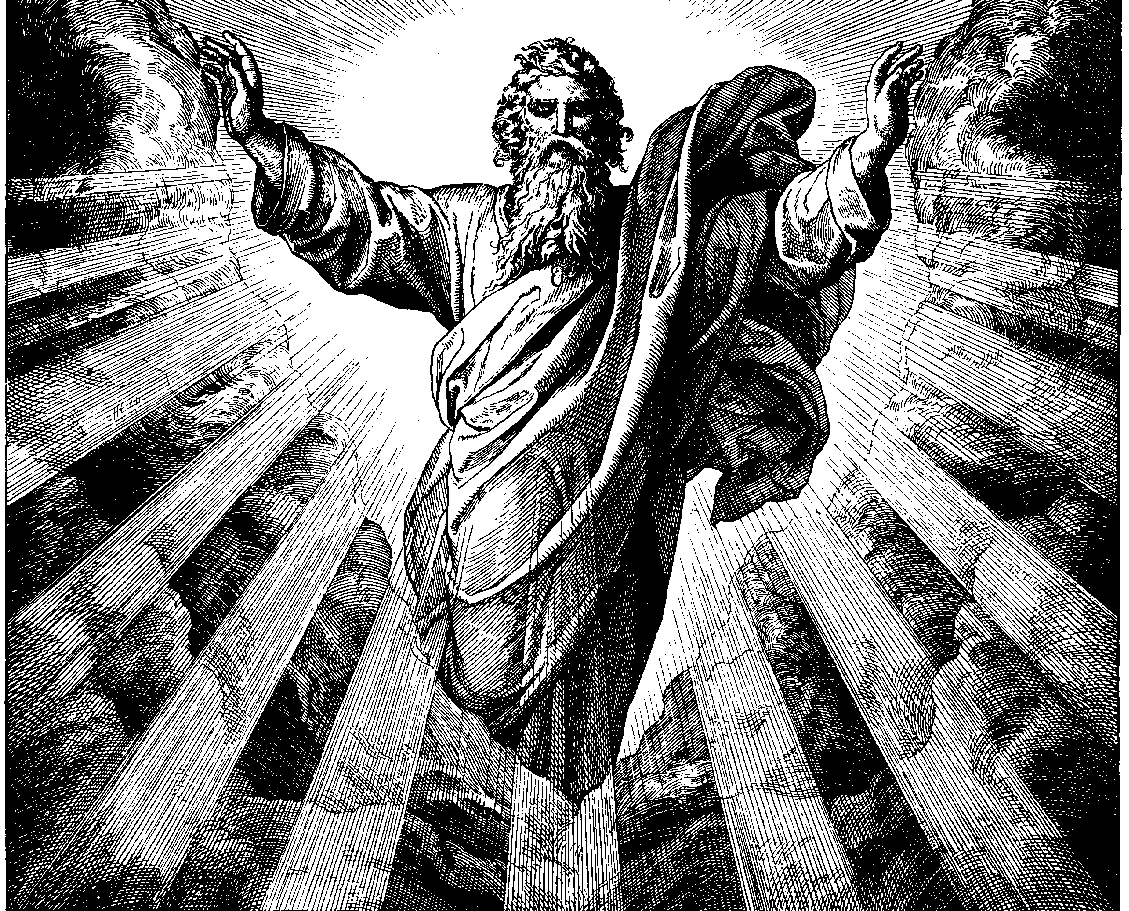


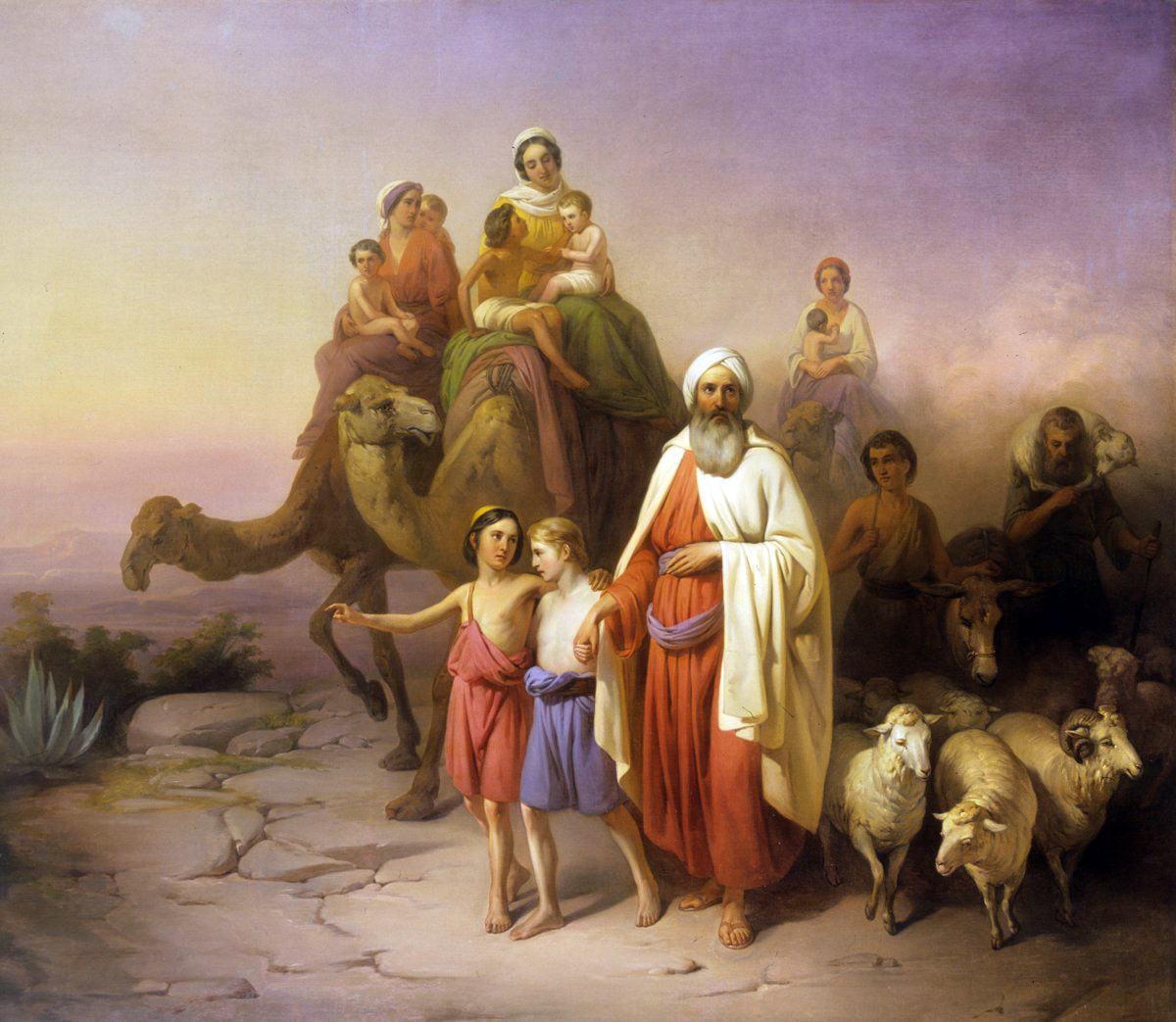

Structure and main contents
Genesis is commonly divided into two large sections. The first, often called the primeval history (chapters 1–11), contains universal stories: the creation narratives, the Garden of Eden, Cain and Abel, Noah's flood, and the Tower of Babel. The second section (chapters 12–50) recounts the patriarchal narratives—stories of Abraham, Isaac, Jacob and Joseph—and describes how a family becomes a people.
- Creation and early humanity
- Patriarchal promises and covenants
- Genealogies and migration to Egypt
Themes and literary features
Major themes include creation, covenant, divine promise, human responsibility, sin and reconciliation. Genesis uses varied literary forms: narrative episodes, genealogies, legal and covenantal language, etiological explanations for human institutions and geographic names, and repeated motifs such as blessing and exile. It also presents two distinct creation accounts in its opening chapters, which scholars and traditions have long noted and discussed; see the discussion of the book's name and opening narratives at name and creation.
Composition and textual traditions
Jewish tradition attributes the first five books of the Bible to Moses, but modern scholarship sees Genesis as a compilation shaped over time by multiple sources and editors. Important textual witnesses include the Masoretic Text, the ancient Greek translation known as the Septuagint, and the Samaritan Pentateuch. Questions of authorship, redaction and dating are part of ongoing scholarly study and debate.
Uses, influence and notable facts
Genesis has profoundly influenced theology, ethics, law, literature and art across millennia. Its stories appear in liturgy, moral reflection, visual arts and literature, and they inform foundational doctrines such as creation, original sin (in some traditions), and divine election. Many of the book's narratives are echoed in the Quran and in later Jewish, Christian and Islamic commentaries. For further reading on the opening account and how it has been interpreted, consult resources that treat the creation material as a distinct literary unit: creation account studies.
Notable distinctions: Genesis combines universal themes about humanity with particular promises to a family line that becomes a nation. Its blend of mythic beginnings and family history helps explain why it remains a primary point of reference for religious identity and cultural storytelling.
Questions and answers
Q: What is the Book of Genesis?
A: The Book of Genesis is the first book of the Hebrew Bible.
Q: What does the word Genesis mean?
A: The word Genesis means "origin, birth" in Greek.
Q: What is the starting point of Book of Genesis?
A: The starting point of the Book of Genesis is the creation of the Universe.
Q: What is the ending point of Book of Genesis?
A: The ending point of the Book of Genesis is the death of Joseph.
Q: What is the Hebrew name for the Book of Genesis?
A: The Hebrew name for the Book of Genesis is transliterated Bre'shiyth, which means "in beginning."
Q: What does the word Bre'shiyth mean in Hebrew?
A: The word Bre'shiyth means "in beginning" in Hebrew.
Q: What is the meaning of the Book of Genesis?
A: The Book of Genesis means "creation."
Related articles
Author
AlegsaOnline.com Book of Genesis Leandro Alegsa
URL: https://en.alegsaonline.com/art/12965