
Old Style and New Style dates: Julian vs Gregorian and the change of the new year
Explanation of Old Style (O.S.) and New Style (N.S.) dates: calendar systems, why Britain and others switched, double dating, examples and how historians record dates across calendar reforms.
Overview
"Old Style" (O.S.) and "New Style" (N.S.) are labels historians use when reporting dates that fall within periods of calendar change. The terms point to two interrelated shifts: the replacement of the Julian calendar by the Gregorian calendar and the change in the day on which the civil year began. In English-language historical writing these distinctions matter because dates recorded at the time may not match the dates we use today, and confusion can arise when different countries adopted reforms at different moments.
Image gallery
3 Images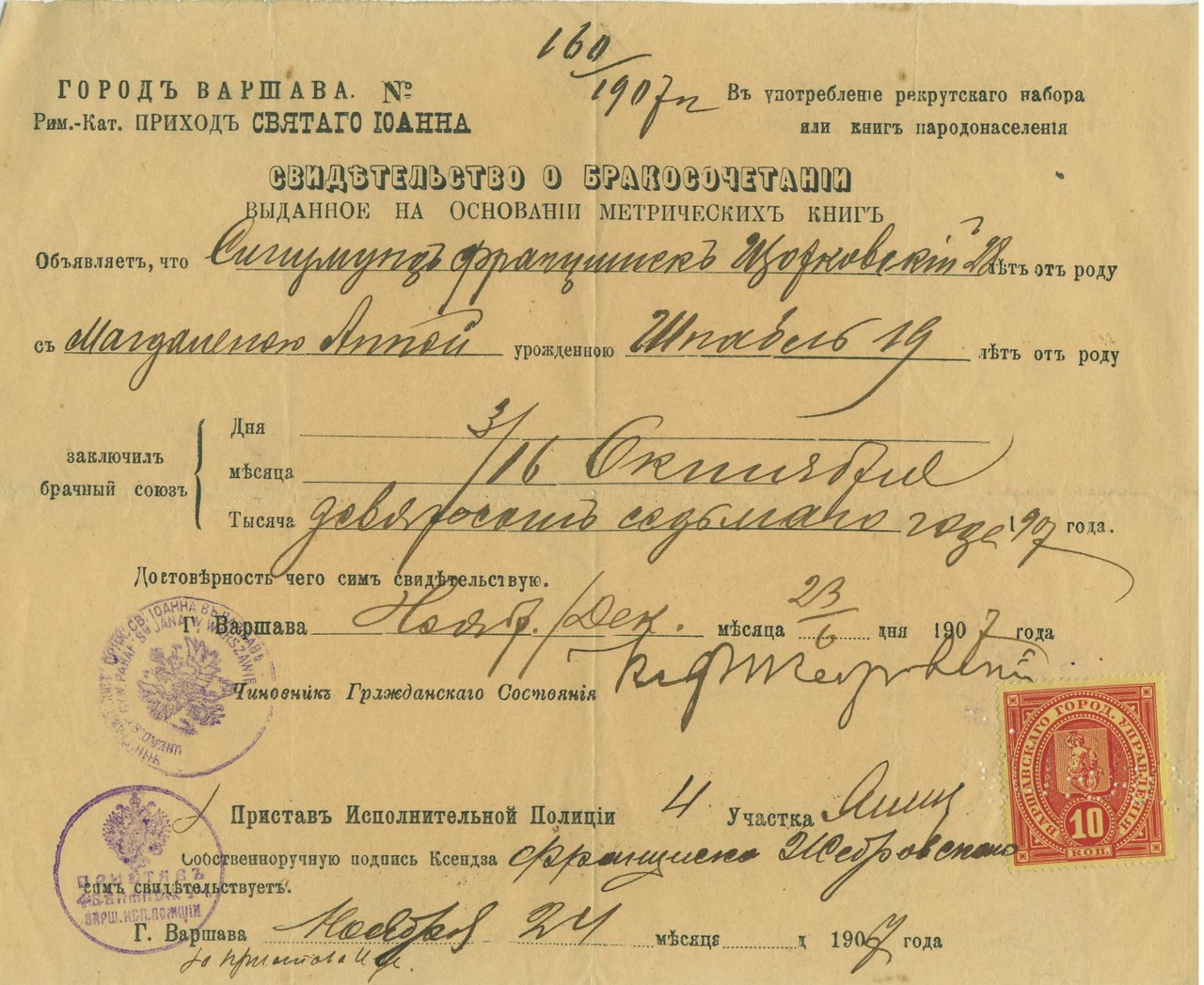


What changed and why
The Julian calendar, introduced under Julius Caesar, treated every fourth year as a leap year. Over centuries this produced a small but persistent error that made the calendar year drift slowly relative to the seasons and the astronomical equinox. By the sixteenth century that drift affected the calculation of Easter and other liturgical dates. The Gregorian reform, promulgated under Pope Gregory XIII in 1582, adjusted the leap-year rule so that century years are leap years only if divisible by 400 (so 1600 and 2000 are leap years, while 1700, 1800 and 1900 are not). The reform also required dropping a number of days to realign the calendar with the seasons. Adoption was uneven: many Catholic countries accepted the reform soon after 1582, while Protestant and Orthodox countries introduced it later.
Change of the start of the year
Alongside the reform of leap years, some jurisdictions counted the civil year from a date other than 1 January. In England and its possessions the year traditionally began on 25 March (Lady Day). When England and its colonies adopted the Gregorian calendar in 1752 they also moved the start of the legal year to 1 January. As a result, dates between 1 January and 24 March in older documents are sometimes written with dual years (for example "February 10, 1690/91") to show both the year as then reckoned and the modern year.
How historians and reference works handle dates
To reduce ambiguity, writers commonly indicate whether a given historical date is O.S. or N.S. They may supply both formats or add annotations. Contemporary sources sometimes used "double dating" during transitional periods. Modern editions and histories usually follow one of three practices: translate all dates into the modern (Gregorian) calendar; retain original dates but append "O.S." or "N.S."; or provide both forms. This is particularly important when comparing events recorded in places that adopted reforms at different times.
Practical examples and notable cases
- Great Britain and its American colonies adopted the Gregorian calendar in 1752 by the Calendar (New Style) Act 1750; the change included advancing the date by eleven days and moving the start of the legal year to 1 January.
- Russia did not switch until 1918; events dated in Russian sources before that appear under the Julian calendar, so the "October Revolution" of 1917 is dated in most modern works to November 1917 by the Gregorian calendar.
- Some countries and regions used other systems entirely—East Asian countries used lunisolar calendars, for instance—so the meaning of "old style" can vary outside Europe.
Terminology and distinctions
In English, old style and new style are convenient shorthand; the phrase "old style" in a European context usually means the Julian calendar, while "new style" means the Gregorian. Latin expressions such as stili veteris or stilo vetere appear in scholarly works to mark O.S. dates. When precise synchronization is required (for genealogy, astronomy, or legal history) scholars note which system they are using and often give both forms to avoid misinterpretation.
Further notes and resources
The following links are provided as placeholders for related topics and reference material. Each points to a general subject that helps explain how and when calendars changed and how dates are recorded in historical sources:
- calendar reform and mechanics
- historical studies and chronologies
- Gregorian calendar
- January 1 as the start of the year
- British Empire adoption
- historians’ conventions for dates
- equinox and liturgical timing
- Pope Gregory XIII and the 1582 reform
- European calendar history
- colonial chronologies and transitions
- Julian calendar specifics
- East Asian lunisolar systems
Understanding whether a date is O.S. or N.S. prevents errors in chronology and helps place events in the correct seasonal and legal context. When working with primary sources from the centuries of transition, check whether the author used Julian or Gregorian reckoning and whether the legal year began on 1 January or another feast day.
Questions and answers
Q: What is Old Style (O.S.) and New Style (N.S.)?
A: Old Style (O.S.) and New Style (N.S.) are terms used for calendar dates in English language historical studies, referring to the Julian Calendar, year beginning 25 March and the Gregorian Caledar, year beginning 1 January respectively.
Q: Why did people change the calendar?
A: People realised that there was a mistake in the Julian calendar, that it adds too many leap years which caused Easter to be calculated wrongly. So they designed a new calendar with a new rule of having a leap year every four years but not if the year ended in 00 unless it could be divided evenly by 400.
Q: When did Pope Gregory XIII declare that this new calendar should be used?
A: Pope Gregory XIII declared that this new calendar should be used from 1582 onwards.
Q: Why did Protestant and Eastern Orthodox countries refuse to use the new calendar?
A: Protestant and Eastern Orthodox countries refused to use the new calendar because they refused to have the Pope tell them what to do.
Q: When did Great Britain and its colonies change over to the Gregorian Calendar?
A: Great Britain and its colonies changed over to the Gregorian Calendar in 1752.
Q: What other calendars were used around world before 1752?
A: Other countries around world such as China, Japan and Korea used lunisolar calendars before 1752.
Q: What are Latin words for O.S.?
A: The Latin words for O.S., or Old Style Dating, are stili veteris or stilo vetere which can also be shortened as stv .
Related articles
Author
AlegsaOnline.com Old Style and New Style dates: Julian vs Gregorian and the change of the new year Leandro Alegsa
URL: https://en.alegsaonline.com/art/72302
Sources
- nationalarchives.gov.uk : Death warrant of Charles I
- nationalarchives.gov.uk : UK National Archives
- merlyn.demon.co.uk : Date Miscellany I: The Old and New Styles
- cree.name : Old Style New Style dates and the change to the Gregorian calendar
- britannica.com : Russia: The October (November) Revolution