
Nun (religious woman)
A nun is a woman who has vowed to live a religious life of prayer, community, and service. Found in Christianity, Buddhism and other faiths, nuns follow specific rules, stages, and roles across traditions.
A nun is a woman who has entered a communal religious life by taking a formal vow and dedicating herself to spiritual practice and service within an institutional framework. Nuns appear in many faiths; in Christianity they often live in convents or monasteries, while in other religions their communities and rules differ. The term describes a female counterpart to the monk, though practices and titles vary widely.
Image gallery
10 Images




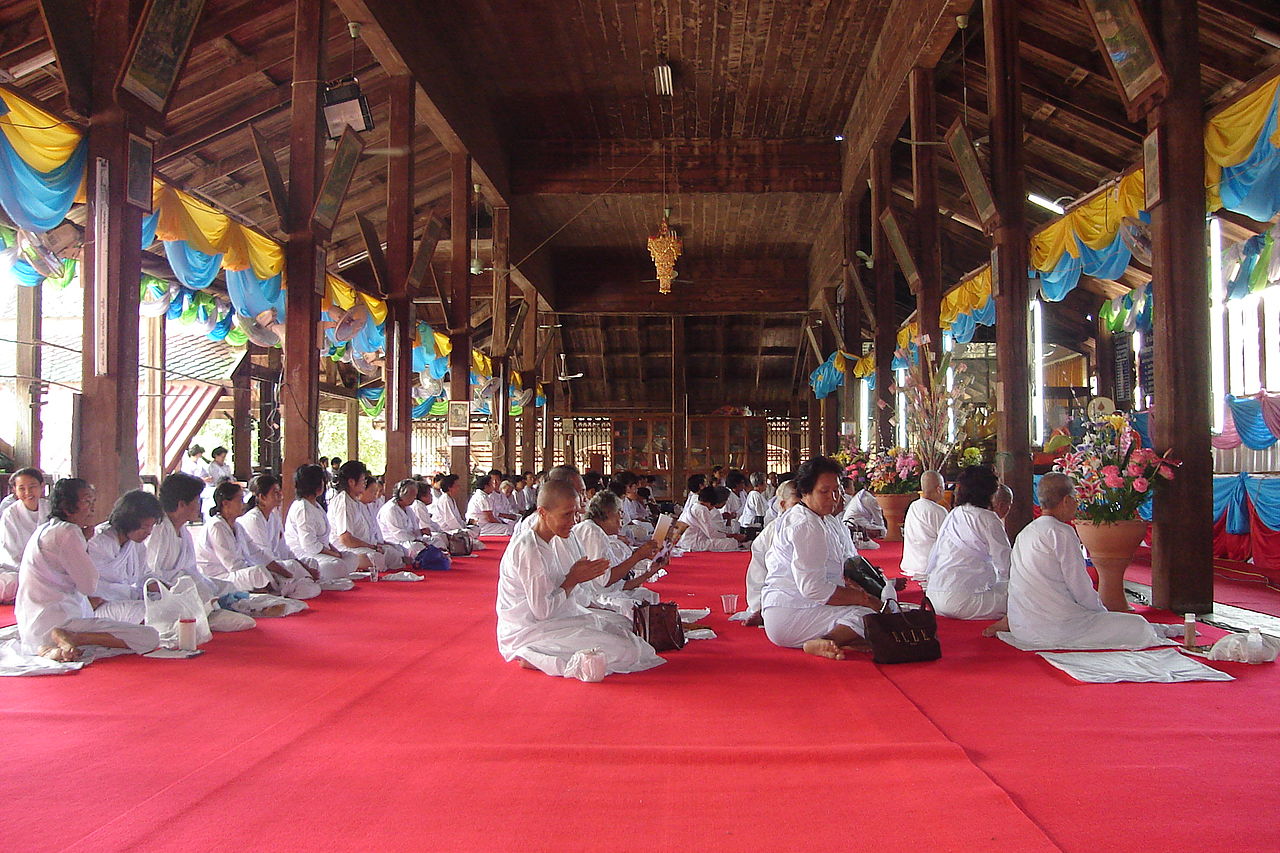


Life, commitments and common features
Although customs vary, most communities share a set of distinctive elements: communal living, regulated prayer, and commitments that shape daily life. In several Christian traditions the central promises are poverty, chastity and obedience; similar personal commitments exist in other religions under different names. Novitiate stages, a religious habit or veil, and leadership roles such as abbess or prioress are familiar features in many orders.
- Typical vows: poverty, chastity and obedience.
- Stages: postulant, novice, then fully professed member.
- Settings: cloistered/contemplative or active/apostolic communities.
Forms across religions
Christian traditions include Roman Catholic, Eastern Orthodox and some Anglican and Lutheran religious orders; see Christian traditions for differences. In Buddhism fully ordained nuns are known as bhikkhuni or bhiksuni, and ordained novices as sāmaṇerī — practices that reflect distinct monastic codes and communal structures; see Buddhist orders for context. Other faiths have comparable female monastic roles with unique rules and purposes.
History and development
Organized female monastic life developed early in several religions as followers sought structured environments for prayer, study and service. Over centuries, orders adapted to social needs: founding schools and hospitals, preserving learning, and supporting missionary or charitable work. Cultural and legal contexts shaped whether communities were cloistered or engaged directly with society.
Roles, influence and distinctions
Nuns have historically played important roles in education, healthcare and social welfare. Distinctions often made within traditions include the difference between contemplative nuns (focused on prayer and enclosure) and sisters or active religious (engaged in external ministries). Contemporary communities continue to evolve, balancing tradition with changing vocational patterns and societal needs. For an introduction to institutional aspects of religious life, see religious life.
For readers seeking more detailed comparisons of terms, practices and modern trends, authoritative sources and the histories of specific orders provide a deeper understanding of how the vocation of a nun has been interpreted in different times and places.
Related articles
Author
AlegsaOnline.com Nun (religious woman) Leandro Alegsa
URL: https://en.alegsaonline.com/art/71443
Sources
- buddhismuskunde.uni-hamburg.de : buddhismuskunde.uni-hamburg.de/pdf/5-personen/analayo/bhikkhuni.pdf