
Jacobitism: movement to restore the House of Stuart
Jacobitism was the political movement that sought to restore the Stuart kings after 1688. It produced several uprisings, influenced British and Irish politics, and left a lasting cultural legacy.
Overview
Jacobitism was a political and dynastic movement that sought the restoration of the Stuart monarchy after the deposition of King James II and VII in 1688. The name derives from the Latin form Jacobus of James, and supporters were known as Jacobites. The movement combined questions of legitimate succession, religion and regional loyalty and persisted, in various forms, through the 18th century and into cultural memory thereafter. Key terms and names associated with the cause include the political movement, the House of Stuart, England, Scotland and the Kingdom of Ireland.
Image gallery
10 Images



Origins and core claims
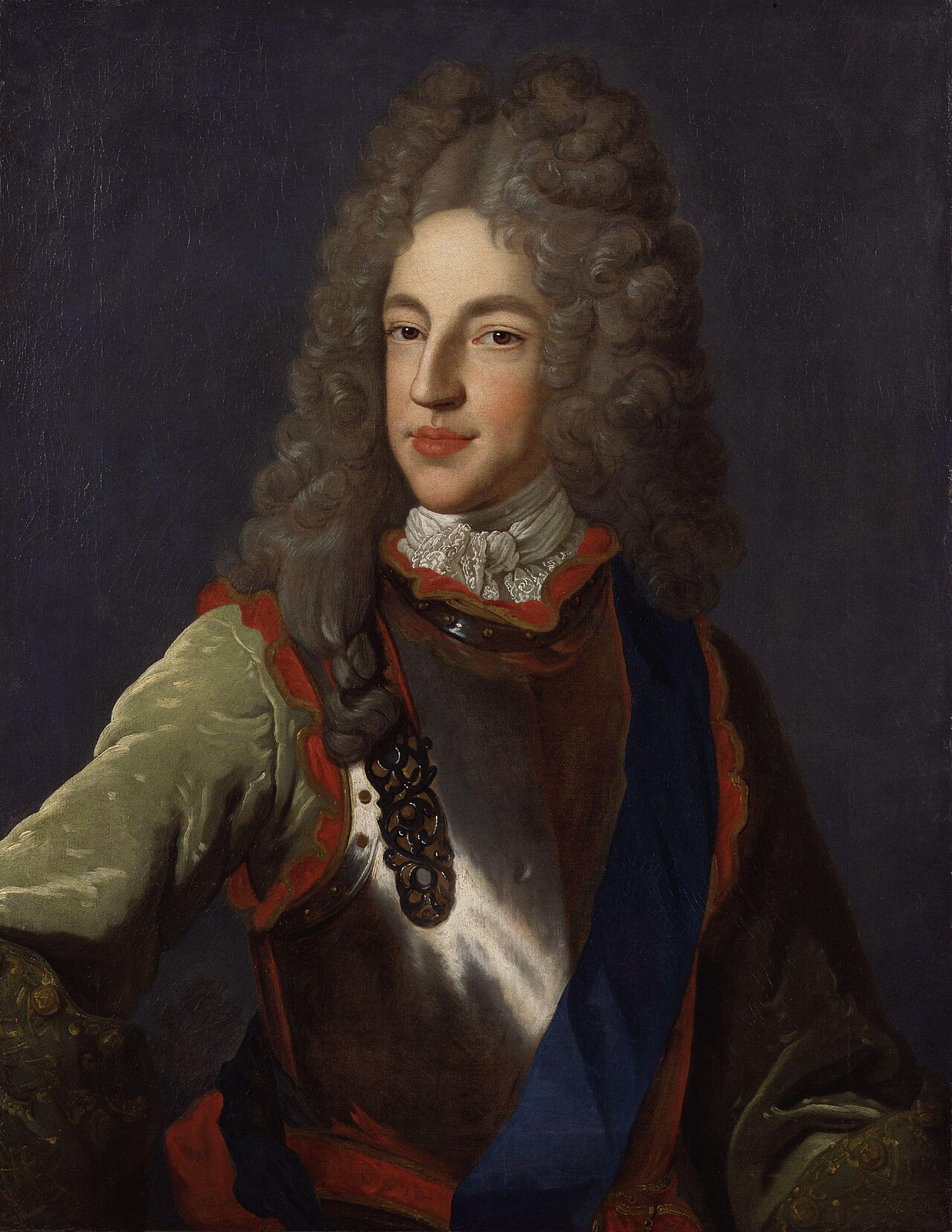
The Glorious Revolution of 1688 removed James II and VII from the throne and installed his daughter Mary II and her husband William of Orange as joint monarchs. Jacobites argued that James had been unlawfully deposed and that his heirs had the legitimate claim to the crowns. The movement drew support for religious reasons—many Catholics hoped a Stuart restoration would ease penal laws—as well as for political and dynastic reasons among nonconformists, landowners and Highland clans. The name itself reflects the dynastic root: James = Jacobus.
Geography, allies and supporters
Jacobitism was strongest in Scotland, especially in the Scottish Highlands, and in parts of Ireland. In England sympathy tended to be concentrated in the north and in some rural areas, while Wales contained pockets of support. Exiled Stuarts sought aid from continental powers; France and Spain provided varying levels of assistance, and these foreign connections shaped the course of military campaigns and plots. See examples of important foreign patrons: France and Spain.
Major events and patterns
Jacobite activity ranged from conspiracies and small risings to major rebellions. Several larger uprisings in the early 18th century culminated in the 1745 campaign led by Charles Edward Stuart—often called "Bonnie Prince Charlie"—which ended in defeat. Supporters included a mix of Catholics and Protestants, Highland clans, disaffected nobles and soldiers. In England, sympathies were often stronger in the north; some communities in Wales also took part.
Legacy and cultural memory
After the military defeats of the mid-18th century Jacobitism declined as an active political force, but it persisted as a cultural and romantic theme. The figure of the Stuarts and the Highland clans entered literature, song and later historical imagination. Jacobitism's blend of dynastic loyalty, religious contest and regional identity makes it an important subject for understanding Britain and Ireland in the early modern era. The movement is remembered in emblems, ballads and a romanticized popular memory that arose in later centuries and shaped perceptions of the period and of romantic nationalism.
Key points and distinctions
- Jacobitism centered on restoring the Stuarts and on questions of legitimacy and succession.
- Religious affiliation influenced support but was not the only motive; many Protestants also backed the Stuarts for dynastic reasons.
- Foreign support, especially from France and Spain, was important to several campaigns.
- The movement had strongest roots in the Highlands, parts of Ireland and northern England, with scattered support in Wales.
Questions and answers
Q: What is Jacobitism?
A: Jacobitism was (and, to a much smaller extent, is) the political movement that tried to put the Stuart kings back onto the thrones of England, Scotland, and Kingdom of Ireland.
Q: Where did the movement take its name from?
A: The movement took its name from the Latin form Jacobus of the name of King James II and VII.
Q: When did Jacobitism begin?
A: Jacobitism began after the deposition of James II and VII in 1688.
Q: Who replaced James II and VII?
A: He was replaced by his daughter Mary II jointly with her husband and first cousin William of Orange.
Q: Where did the Stuarts live after their deposition?
A: The Stuarts lived on the European mainland after that, sometimes trying to get back the throne with the help of France or Spain.
Q: Where was Jacobitism strongest?
A: The most important places of Jacobitism were Ireland and Scotland, especially the Scottish Highlands. In England, Jacobitism was strongest in the north, and some support was also in Wales.
Q: Who supported Jacobitism?
A: A great number of Catholic people liked Jacobitism. They hoped the Stuarts would end bad laws. Lots of different helped the military campaigns for all sorts of reasons. In Scotland the Jacobite cause became a lasting romantic memory.
Related articles
Author
AlegsaOnline.com Jacobitism: movement to restore the House of Stuart Leandro Alegsa
URL: https://en.alegsaonline.com/art/49022