
Duchy: definition, historical role, and modern legacy
A duchy is a territory governed by a duke or duchess. This article explains its defining features, historical development in Europe, notable examples, and how duchies survive today as legal or ceremonial entities.
A duchy is a territorial unit traditionally governed by a duke or duchess. The term covers a broad range of political arrangements: some duchies were effectively sovereign states, while others functioned as feudal or administrative districts inside a larger realm. The name and status of a duchy depended on local law, custom and the balance of power between ruler and monarch.
Image gallery
1 Image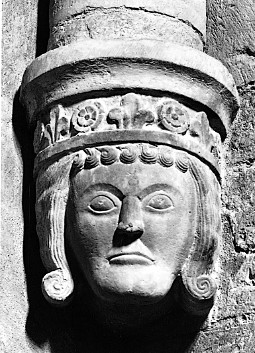
Typical characteristics
Duchies varied widely, but several common features recur in historical examples. Many duchies possessed their own courts, fiscal systems and military obligations. They could be hereditary or granted for life, and their rulers often held titles, symbols and prerogatives that set them apart from ordinary nobles.
- Autonomy: some duchies exercised broad local control, while others were subordinate to a crown or overlord (Continental Europe examples vary).
- Sovereignty: in certain periods a duchy was effectively independent (sovereign duchies existed).
- Administration: duchies commonly managed taxation, justice and defence within their borders, though the degree of independence differed by era and place.
Historical development
The idea of a duchy grew out of medieval feudal structures and the need to delegate authority across large territories. Within the Holy Roman Empire and many German-speaking lands, duchies could be powerful and semi-sovereign. In areas such as France and the British Isles some duchies were important regional power bases but remained formally part of a kingdom (kingdom relations influenced their rights).
The title grand duchy came to describe a state of higher precedence and, in some cases, full independence. For example, the modern state of Luxembourg was historically styled a grand duchy and is often cited when distinguishing that rank. In other contexts a duchy continued to exist as a territorial jurisdiction rather than as an independent country (independent status was not universal).
Notable examples and remnants
Several well-known historical duchies illustrate different forms the institution could take. The medieval Duchy of Normandy left a complex legacy: the British monarch historically retained the Norman title, and the only territorial remnants tied to that title today are the Channel Islands. In England, specific counties were elevated to duchies with special rights; for instance the Duchies of Lancashire and Cornwall acquired distinctive legal and fiscal privileges.
Decline, survival and legacy
Large-scale political change in the 18th–20th centuries reduced the number of functioning duchies. The fall of numerous monarchies and upheavals such as the revolutions in several countries (including Russia) ended many dynastic domains. Nonetheless, duchies survive in limited forms: some remain as independent states with historical titles, others persist as ceremonial or administrative entities, and a few rights associated with duchies continue under modern law.
Distinctions and why they matter
It is useful to distinguish a duchy from similar units: a principality is ruled by a prince, a county by a count, and a grand duchy denotes higher rank or autonomy. Understanding duchies helps explain medieval and early modern governance, patterns of land tenure, and how regional identities formed. For readers interested in further detail, standard reference works and scholarly histories explore individual duchies, their legal charters and their changing roles in European state formation (medieval England and other regional studies provide rich case material).
For more general background and primary documents consult specialized collections or online repositories and academic treatments of medieval and early modern political institutions; standard textbooks and surveys continue to discuss duchies in broader narratives of European history (history textbooks).
Additional resources and archival guides can be found via subject indexes and national historical services that catalog duchy charters, territorial maps and succession records (ducal titles, regional studies, sovereignty questions, French duchies, royal relations, grand duchies, independence cases, Holy Roman Empire, German lands, Channel Islands, England studies, Lancashire, Cornwall, monarchies, Russia, revolutions, textbooks).
Related articles
Author
AlegsaOnline.com Duchy: definition, historical role, and modern legacy Leandro Alegsa
URL: https://en.alegsaonline.com/art/29117