
Breast cancer: overview, types, diagnosis, treatment, and prevention
Breast cancer is a disease in which breast cells grow abnormally. This article summarizes types, signs, diagnosis, treatment options, risk factors, screening, and public-health importance.
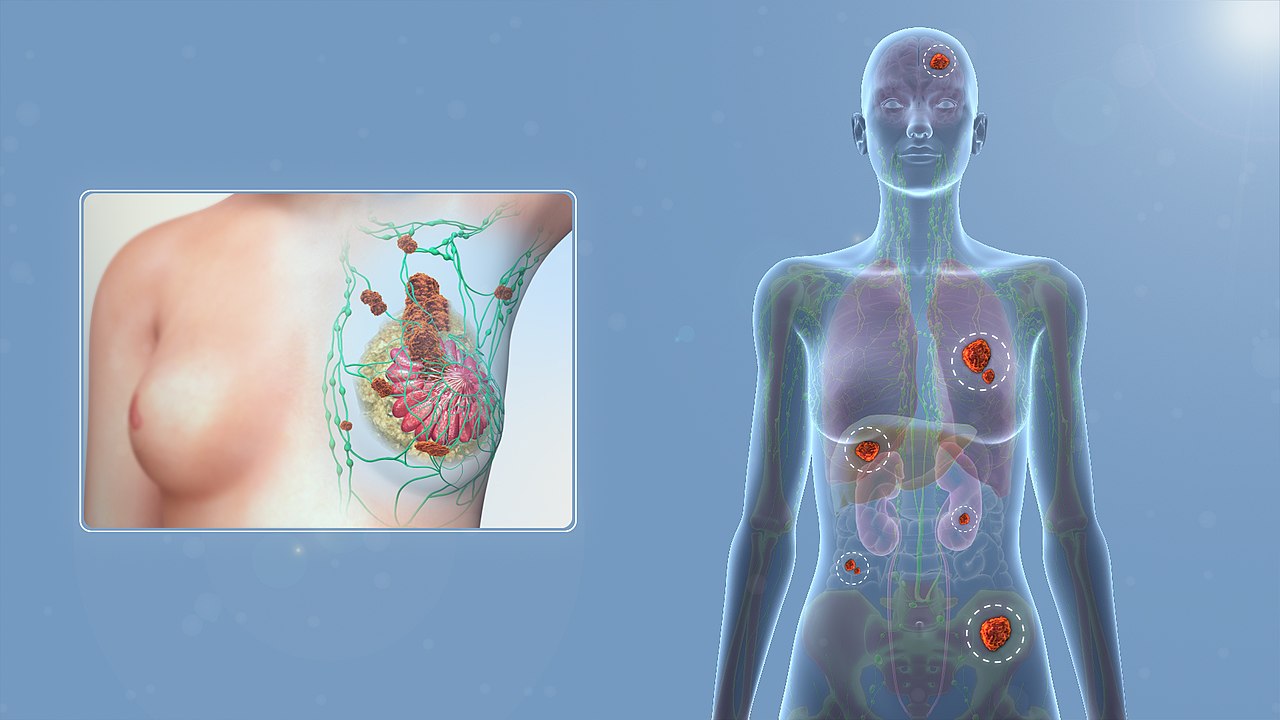
Overview — Breast cancer is a group of diseases in which malignant cells form in the tissues of the breast. It is the most commonly diagnosed cancer in women worldwide and can also occur, though less often, in men. Tumors differ in how they grow, whether they respond to hormones, and how they spread to surrounding tissue or distant organs.
Image gallery
10 Images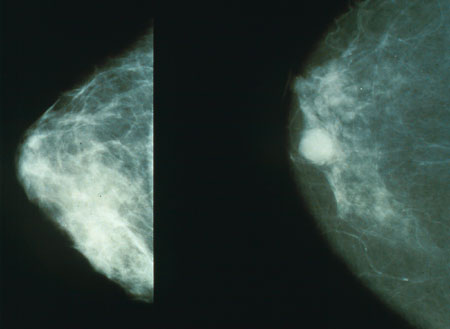




Characteristics and types
Breast cancers are classified by where they begin and by molecular features. Common categories include ductal carcinoma (originating in milk ducts) and lobular carcinoma (originating in milk-producing lobules). Lesions may be in situ (confined to their site of origin) or invasive. Tests routinely report hormone receptor status (estrogen/progesterone) and HER2 expression because these guide treatment decisions.
Signs and diagnosis
Early tumors are often detected by screening before symptoms arise. Typical signs include:
- a new lump or thickening in the breast or underarm;
- changes in breast size, shape, or skin texture;
Diagnostic steps include clinical examination, mammography, ultrasound or MRI, and confirmatory biopsy. Staging uses imaging and pathology to describe tumor size, lymph node involvement, and spread.
Causes and risk factors
No single cause explains most cases. Risk rises with age and can be influenced by inherited gene variants (for example, BRCA1 and BRCA2), family history, reproductive history, certain hormonal exposures, alcohol use, and obesity. Many people with breast cancer have no identifiable risk factor.
Treatment and prognosis
Treatment is individualized and commonly combines local therapies (surgery, radiation) with systemic options (chemotherapy, hormone therapy, targeted agents, immunotherapy). Choice depends on stage, tumor biology, patient health, and preferences. Prognosis varies widely: early-stage, biologically favorable cancers often have high cure rates, while advanced disease may be managed as a chronic condition.
Prevention, screening, and importance
Screening programs using mammography aim to detect cancers early when treatment is most effective; guidelines on starting age and frequency vary by country and risk profile. Risk-reduction strategies include lifestyle changes, informed use of medications in high-risk people, and genetic counseling when appropriate. For authoritative guidance and patient resources, see more information.
Related articles
Author
AlegsaOnline.com Breast cancer: overview, types, diagnosis, treatment, and prevention Leandro Alegsa
URL: https://en.alegsaonline.com/art/13848
Sources
- who.int : "Fact sheet No. 297: Cancer"
- cancer.org : "Cancer Facts & Figures 2007"
- cancer.org : "What Are the Key Statistics for Breast Cancer?"
- news.independent.co.uk : "Breast cancer cases rise 80% since Seventies"
- imaginis.com : "Breast Cancer: Statistics on Incidence, Survival, and Screening"
- imaginis.com : Imaginis Corporation
- cancer.gov : "Male Breast Cancer Treatment - National Cancer Institute"
- cancer.gov : National Cancer Institute