
Ludwig van Beethoven: Life, Music, and Lasting Influence
A concise encyclopedia article on Ludwig van Beethoven covering his life, major works, stylistic development, and influence on Western music.
Overview
Ludwig van Beethoven (baptized 17 December 1770 in Bonn – 26 March 1827 in Vienna) is widely regarded as one of the central figures in Western art music. A German composer and performer, he worked at the transition between the Classical and Romantic eras, expanding forms and expressive range in classical music for the piano, orchestras and chamber ensembles. His reputation rests on a relatively concentrated body of masterpieces that remain central to concert life and study.
Image gallery
10 Images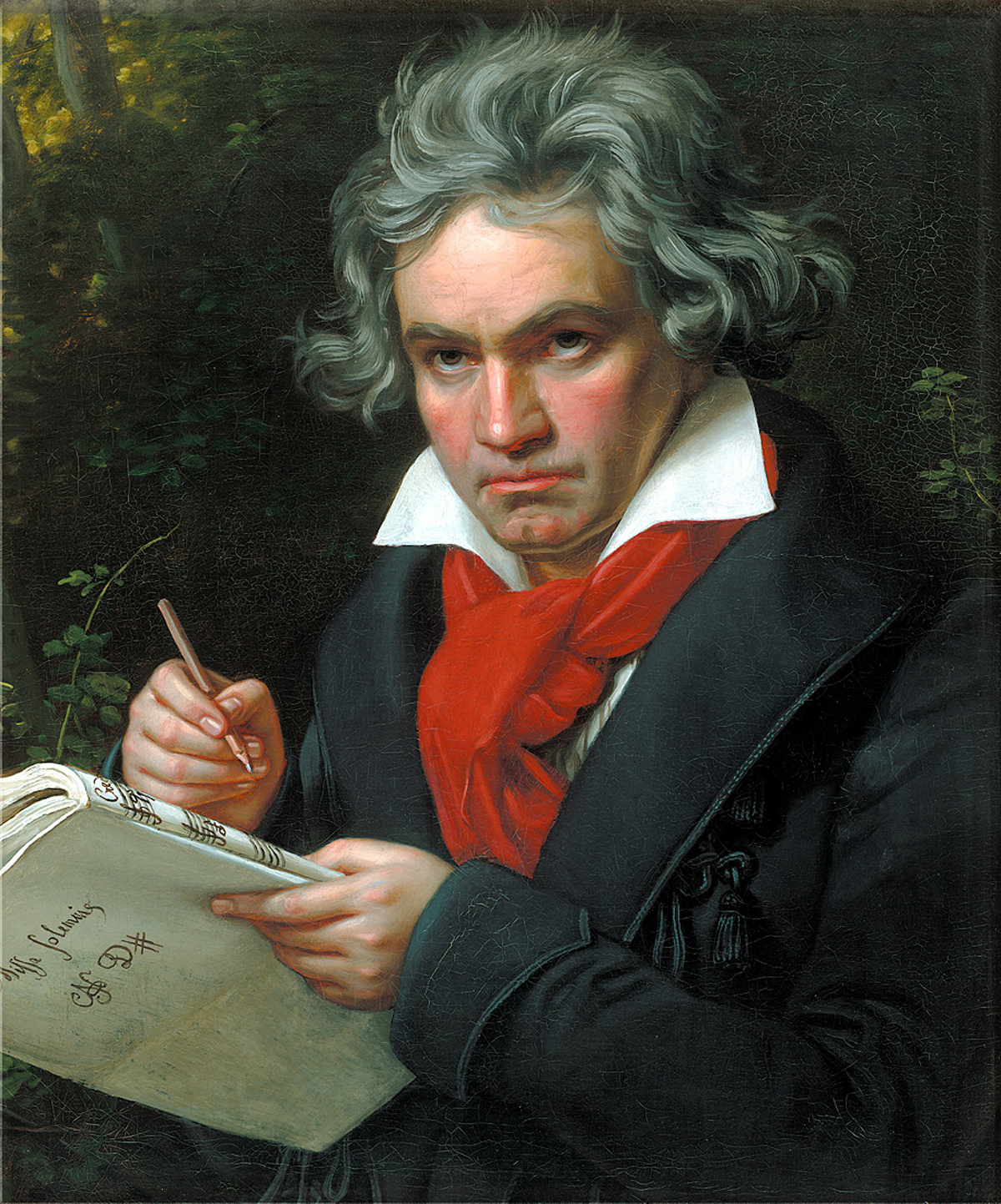
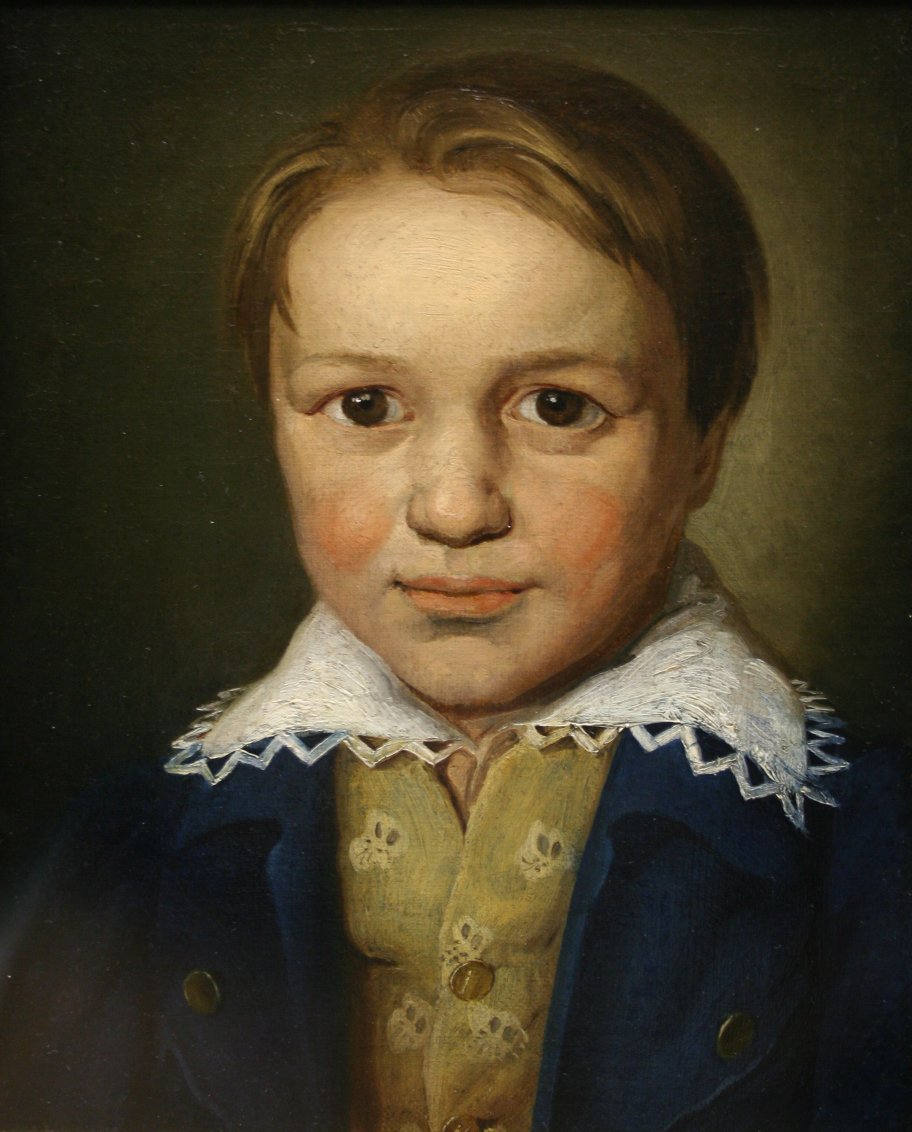


Life and artistic development
Beethoven moved to Vienna as a young man to study and work among the city’s musical elite. Early training included notable teachers and exposure to the prevailing Classical styles; later he developed a distinctive personal language that grew increasingly bold and experimental. Scholars often divide his career into three broad periods. The "early" period shows mastery of Classical forms and virtuoso piano writing; the "middle" or "heroic" period includes works that push harmonic, structural and emotional boundaries; the "late" period is characterized by concentrated intellectual and contrapuntal writing, with a heightened sense of spirituality and formal innovation.
Major works
- Symphonies: especially No. 3 ("Eroica"), No. 5, No. 6 ("Pastoral") and No. 9 ("Choral") (notable symphonies).
- Piano sonatas: the "Moonlight" Sonata (Sonata No. 14) and No. 8 ("Pathétique") among many others.
- Piano concertos and solo works that developed the expressive possibilities of the piano.
- Opera: Fidelio, his only opera, which combines rescue drama and ideals of freedom.
- Smaller pieces and songs such as Für Elise remain part of popular imagination.
Style, innovations and importance
Beethoven expanded traditional classical forms by enlarging structures, heightening contrasts and using motivic development as a unifying device. He reworked the role of the piano as both a solo and orchestral instrument and increased the expressive range of orchestral texture and harmony. His late works, including string quartets and the Missa Solemnis, explore complex counterpoint and introspective lyricism. These innovations helped shape the emerging Romantic aesthetic and influenced generations of composers.
Uses, performance and examples
Beethoven’s music is found in concert halls, recordings, education and public ceremonies. The Ninth Symphony’s final movement introduced choral forces into a symphonic finale and contains the famous "Ode to Joy" melody, often used in civic and cultural contexts. Piano sonatas such as the Moonlight are staples of student and professional repertoire, while orchestral works remain central to symphony programming worldwide.
Notable facts and legacy
During his adult life Beethoven became progressively hard of hearing and eventually suffered profound deafness, yet he continued to compose, producing many of his late masterpieces after most of his hearing had gone. He was a celebrated pianist in his early career and earned the patronage of aristocratic and wealthy supporters in Austria. When he died in Vienna, a large public mourning followed; estimates of attendance at his funeral vary, and the composer Franz Schubert served as one of the pallbearers. Beethoven’s life and music remain subjects of biography, scholarship and frequent public performance, and his works continue to shape musical education and artistic ideals today.
Questions and answers
Q: Who was Ludwig van Beethoven?
A: Ludwig van Beethoven was a German composer who wrote classical music for the piano, orchestras and different groups of instruments.
Q: What are some of his best-known works?
A: His best-known works include his third (Eroica), fifth, sixth (Pastorale) and ninth (Choral) symphonies, the eighth (Pathetique) and fourteenth (Moonlight) piano sonatas, two of his later piano concertos, his opera Fidelio, and also the piano piece Für Elise.
Q: How did he become deaf?
A: In 1801, he began to lose his hearing due to an illness. His deafness became worse over time until he was completely deaf by 1817.
Q: Did Beethoven continue composing despite being deaf?
A: Yes, even though he could no longer play in concerts due to his deafness, he continued to compose some of his greatest works during this time.
Q: Is Beethoven considered one of the greatest classical composers ever?
A: Yes, many people consider him one of the greatest classical composers who has ever lived.
Q: What happened at Beethoven's funeral?
A: At Beethoven's funeral there were between 10,000 and 30,000 people estimated to have attended. Franz Schubert was a pall bearer at the funeral even though they had never been close friends.
Related articles
Author
AlegsaOnline.com Ludwig van Beethoven: Life, Music, and Lasting Influence Leandro Alegsa
URL: https://en.alegsaonline.com/art/125499