
Boiled egg: preparation, varieties, history, and uses
A boiled egg is an egg cooked in its shell until the white and yolk reach preferred textures. This entry covers types, cooking effects, culinary uses, safety tips and notable facts.
A boiled egg is an egg cooked in its shell by immersion in hot water until the albumen (white) and yolk reach desired textures. The method is one of the simplest and oldest ways to prepare eggs and is distinguished from a poached egg, which is cooked without its shell. Boiled eggs are commonly classified as soft-boiled, with a runny or partially set yolk, or hard-boiled, with a fully firm yolk.
Image gallery
9 Images




Characteristics and how cooking changes an egg
During heating the transparent egg white becomes opaque and firm as proteins denature and coagulate; the yolk also thickens and changes color with increasing temperature. Overcooking can produce a greenish or gray ring around the yolk, an iron–sulfur reaction that does not affect safety but alters appearance and some flavour. Freshness, shell condition, starting temperature and water method all influence final texture and how easily the shell peels away.
Preparation approaches and common distinctions
There are several ways to make a boiled egg: placing eggs into already boiling water, bringing eggs and water up to a simmer together, or steaming them. Small differences in time and technique change the result: shorter cooking leaves softer yolks and longer cooking makes both white and yolk firm. Many cooks time from when the water reaches a steady boil or from when eggs are added; others use a steam method to reduce cracking. For information on eggs in general see egg and for techniques see boiling.
Uses and culinary examples
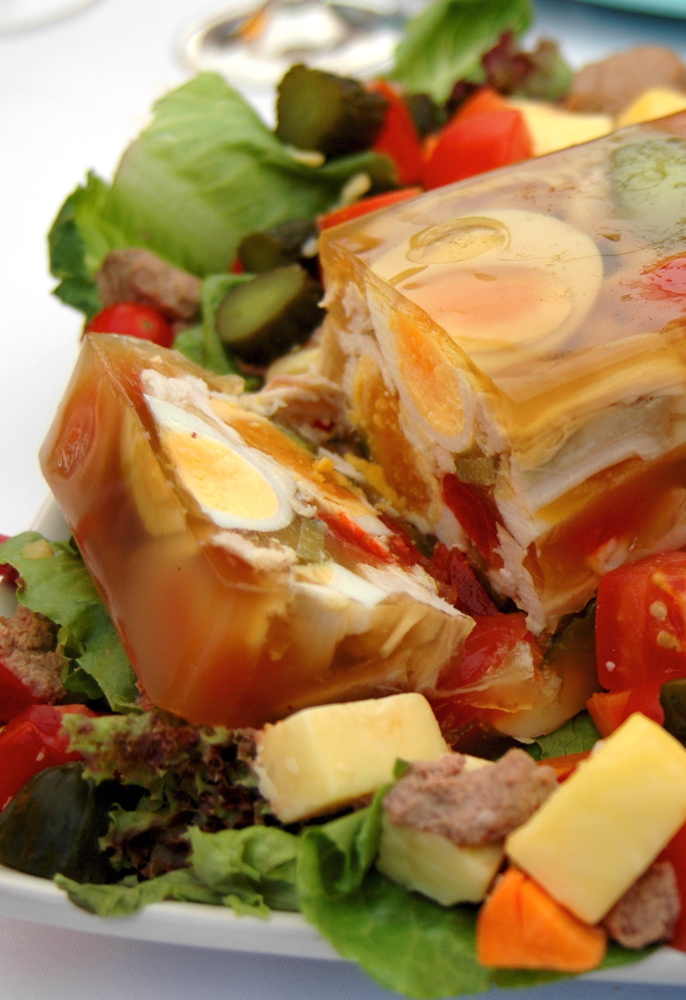
Boiled eggs are versatile across cuisines. Soft-boiled eggs are often served at breakfast or with toast; hard-boiled eggs are used in salads, sandwiches, and cold preparations such as deviled eggs or pickled eggs. They also appear as toppings for noodles and rice dishes, portable snacks, and decorative garnishes. Their firm texture and mild flavour make them suitable for recipes that need a stable, cooked egg.
Practical tips and safety
- To ease peeling, many cooks use eggs that are not extremely fresh; older eggs tend to peel more cleanly.
- Cooling eggs quickly in cold water after cooking stops further cooking and helps prevent the green ring.
- Refrigerate hard-boiled eggs if not eaten soon; consume within a few days for best quality.
Boiled eggs combine simple technique with wide culinary usefulness. They provide a reliable source of cooked egg with flexible textures and remain a staple in home kitchens, catering, and many traditional recipes around the world.
Related articles
Author
AlegsaOnline.com Boiled egg: preparation, varieties, history, and uses Leandro Alegsa
URL: https://en.alegsaonline.com/art/12714