
Jelly (gelatin dessert)
A gelatin-based dessert with a firm, wobbly texture. Describes ingredients, preparation, common flavors and uses, variations and notable facts about jelly and its alternatives.
Overview
Jelly is a chilled, gelatin-based dessert made by dissolving a gelling agent in hot liquid and allowing it to set until firm and wobbling. It is distinct from fruit spreads often called jam in many dialects; the same word can mean different products in different regions. Typical jelly has a clear or translucent appearance and a springy mouthfeel.
Image gallery
10 Images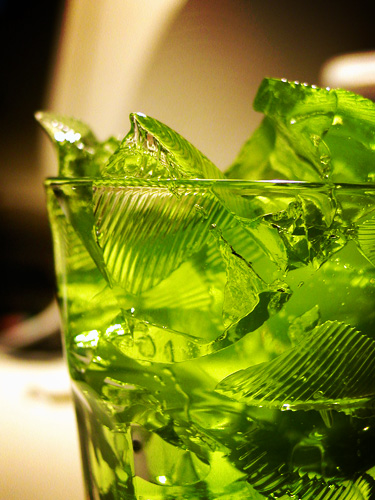



Ingredients and characteristics
Traditional jelly relies on gelatin, a protein derived from animal collagen, combined with water, sugar and flavorings. Commercial mixes are sold as colored and flavored powder that dissolve in hot water; after cooling the mixture becomes a solid gel. Available flavors range from various fruit extracts to synthetic artificial flavorings. Vegetarian and vegan substitutes—such as agar-agar, pectin or carrageenan—are widely used where animal gelatin is unsuitable.
Preparation and serving
Basic preparation involves rehydrating the gelling agent in warm liquid, stirring in sweeteners and flavorings, then chilling until fully set. The final product is served cold and may be unmolded into shapes, cut into cubes, layered with cream or combined with fruit. Because it is served cold, jelly is especially popular as a refreshing dessert in warm weather and as a colorful component in buffets and children's parties.
Uses, variations and examples
- Simple molded desserts: plain flavored jelly set in a ring or novelty mold.
- Fruit jelly: pieces of fresh or canned fruit suspended in the gel for texture contrast.
- Layered or cream-topped versions: alternating gels or gelatin combined with dairy for trifles.
- Sandwich filling and spreads: in some cultures the term overlaps with spreads, and jelly is sometimes referenced in recipes such as the peanut butter and jelly sandwich.
History and notable facts
Gelatin-based desserts have roots in medieval cuisine when animal-based jellies signaled wealth because making a clear gel required refined stock and time. With the invention of powdered gelatin and modern flavorings in the 19th and 20th centuries, jelly became an affordable, easy-to-make item for home cooks. Today it is produced industrially and enjoyed worldwide in many forms, while vegetarian gelling agents have widened its appeal to diverse dietary preferences.
Distinctions: When discussing jelly, be clear whether you mean the gelled dessert or a fruit spread, since regional language differences can cause confusion. Also note that gelling strength, sweetness and clarity vary by ingredient: gelatin yields a supple, transparent gel, whereas pectin or agar may give different textures and setting temperatures.
Questions and answers
Q: What is this article about?
A: This article is about the dessert Jelly.
Q: What is the difference between Jelly and jam?
A: This article mentions that Jelly refers to the dessert, while jam is a condiment.
Q: What is Gelatin or Jelly commonly used for?
A: Gelatin or Jelly is commonly used as a dessert item.
Q: What determines the taste of Gelatin or Jelly?
A: The taste of Gelatin or Jelly depends on the fruit or artificial flavor used.
Q: What is Jelly made from?
A: Jelly is made from hot water and powder.
Q: How is Jelly commonly eaten?
A: Jelly can be added to foods like a peanut butter and jelly sandwich.
Q: Is Jelly a hot or cold food?
A: Jelly is referred to as a cold and solid food.
Related articles
Author
AlegsaOnline.com Jelly (gelatin dessert) Leandro Alegsa
URL: https://en.alegsaonline.com/art/49881