
Bok choy (pak choi): description, varieties, uses and cultivation
Bok choy, a leafy Chinese cabbage (Brassica rapa subsp. chinensis), has succulent white stalks and dark green leaves. Used in Asian and global cuisines, it is valued for its mild flavor, quick growth, and nutritional profile.
Overview
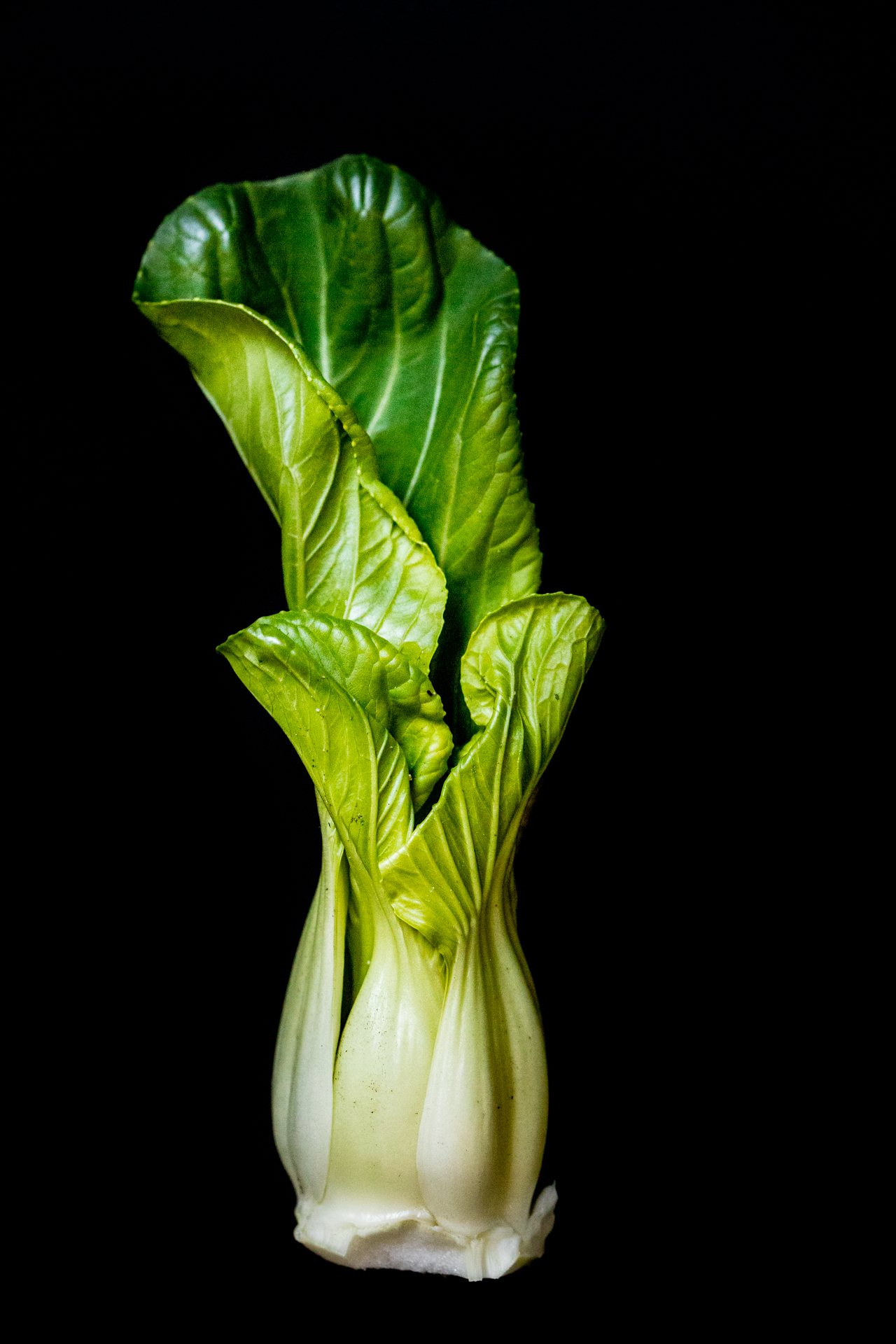
Bok choy, also written pak choi or boc choy, is a leafy vegetable in the Brassica family often described as a type of Chinese cabbage. Unlike headed cabbages, bok choy grows with distinct leaf blades attached to thick, crunchy petioles. It has a mild, slightly sweet flavor that becomes more pronounced when cooked gently.
Image gallery
10 Images




Appearance and varieties
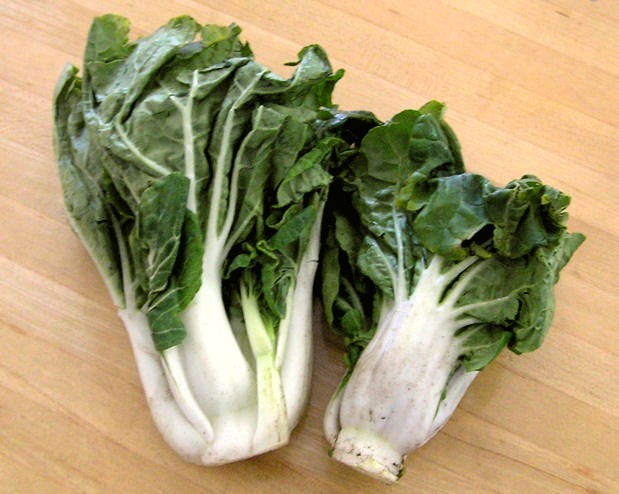
Typical bok choy has deep green, spoon-shaped leaves and crisp white or pale green stalks. Several garden and market varieties exist: the common large-stemmed type, a smaller "baby" or Shanghai form with thinner stems, and more compact cultivars bred for cooler climates. Differences among types include stem color, leaf texture, and overall size.
Cultivation and storage
Bok choy is a cool-season crop that matures relatively quickly, making it popular with home gardeners and commercial growers. It prefers fertile, well-drained soil and regular moisture. After harvest, keep leaves unwashed and refrigerated in a perforated bag; use within a week for best texture and flavor. Blanching before freezing preserves color and nutrients.
Culinary uses and nutrition
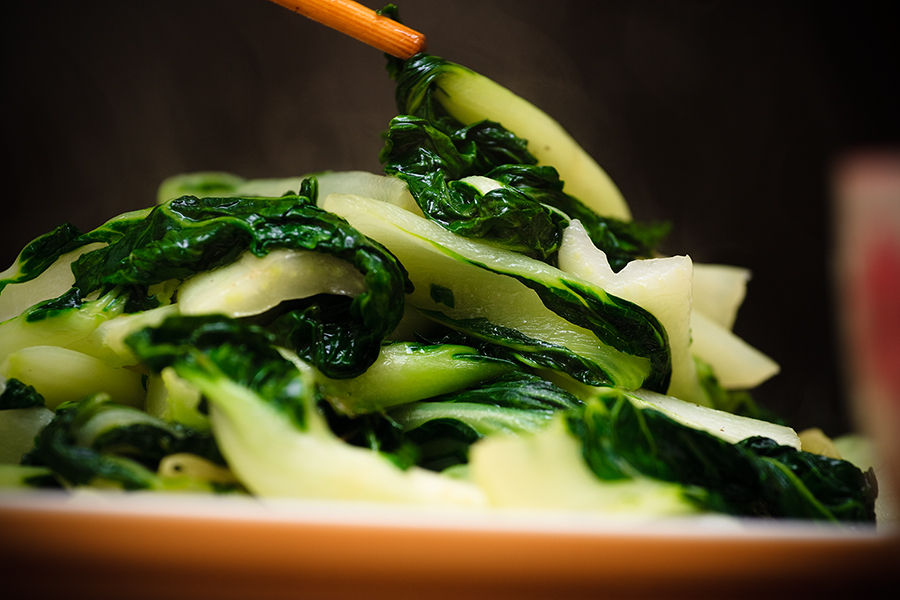
In cooking, the stalks and leaves are often treated separately: stalks sautéed or steamed briefly, leaves added near the end. Common preparations include stir-fries, soups, braises and raw salads. Bok choy is low in calories and a source of vitamins and minerals, notably vitamin C, vitamin K and calcium, making it a nutritious addition to balanced diets. For recipes and further reading see general recipe collections and cultivation guides at plant care resources.
Notable distinctions
- Bok choy vs. napa cabbage: bok choy has open leaves and distinct stalks; napa forms a dense head.
- Cooking tip: cut stems into uniform pieces and start them in the pan before adding leaves to ensure even doneness.
Because of its versatility and mild taste, bok choy appears widely in East Asian cuisine and has become common in international markets and home kitchens worldwide.
Related articles
Author
AlegsaOnline.com Bok choy (pak choi): description, varieties, uses and cultivation Leandro Alegsa
URL: https://en.alegsaonline.com/art/12743