
Ice Cream: Ingredients, Production, Varieties, and Cultural Role
Comprehensive overview of ice cream: composition, manufacturing steps, common varieties, stabilizers and overrun, food safety and storage, cultural uses, and modern dietary alternatives.
Ice cream is a widely enjoyed frozen dessert made from a dairy-based mix of milk and cream, sweeteners and flavoring agents. It is an aerated frozen emulsion in which water, fat, sugar and air are combined to create a smooth, scoopable product. Commercial and artisanal makers control freezing, agitation and formulation to limit the size of ice crystals and achieve the desired texture and mouthfeel. For general information about common raw materials see ingredient overview and specific dairy information at dairy and cream.
Image gallery
10 Images




Composition and processing
A typical ice cream mix contains milk solids, milk fat, sugars, and often stabilizers and emulsifiers. Some recipes include egg yolks to form a custard base. The mix is usually pasteurized and homogenized, then aged briefly before freezing. During freezing the mix is churned to incorporate air (known as overrun) and to prevent large ice crystals from forming. Modern production ranges from small batch churns to continuous industrial freezers; technical suppliers and equipment descriptions are covered at freezing equipment.
Stabilizers, texture and melting
Stabilizers such as guar gum, locust bean gum and carrageenan are used in many formulations to improve body, reduce ice crystal growth and slow melting. Carrageenan is a gum derived from certain seaweeds and is discussed further at carrageenan from seaweed. Emulsifiers help disperse fat and create a uniform structure. Because ice cream contains sugars and other solutes it does not behave like pure water; it softens and melts over a temperature range rather than at a single point.
Common styles and varieties
- American-style ice cream: generally higher in fat and often contains more air, yielding a lighter scoop.
- Gelato: an Italian style with a denser texture and typically served at a slightly warmer temperature.
- Sherbet and sorbet: fruit-based frozen desserts; sorbet is usually dairy-free while sherbet may contain some milk solids.
- Frozen custard and soft serve: use extra egg yolk or specific machines to create a creamier, smoother result.
- Frozen yogurt and plant-based alternatives: use cultured dairy or plant milks (soy, almond, coconut, oat) for different flavor and nutrition profiles.
History, culture and uses
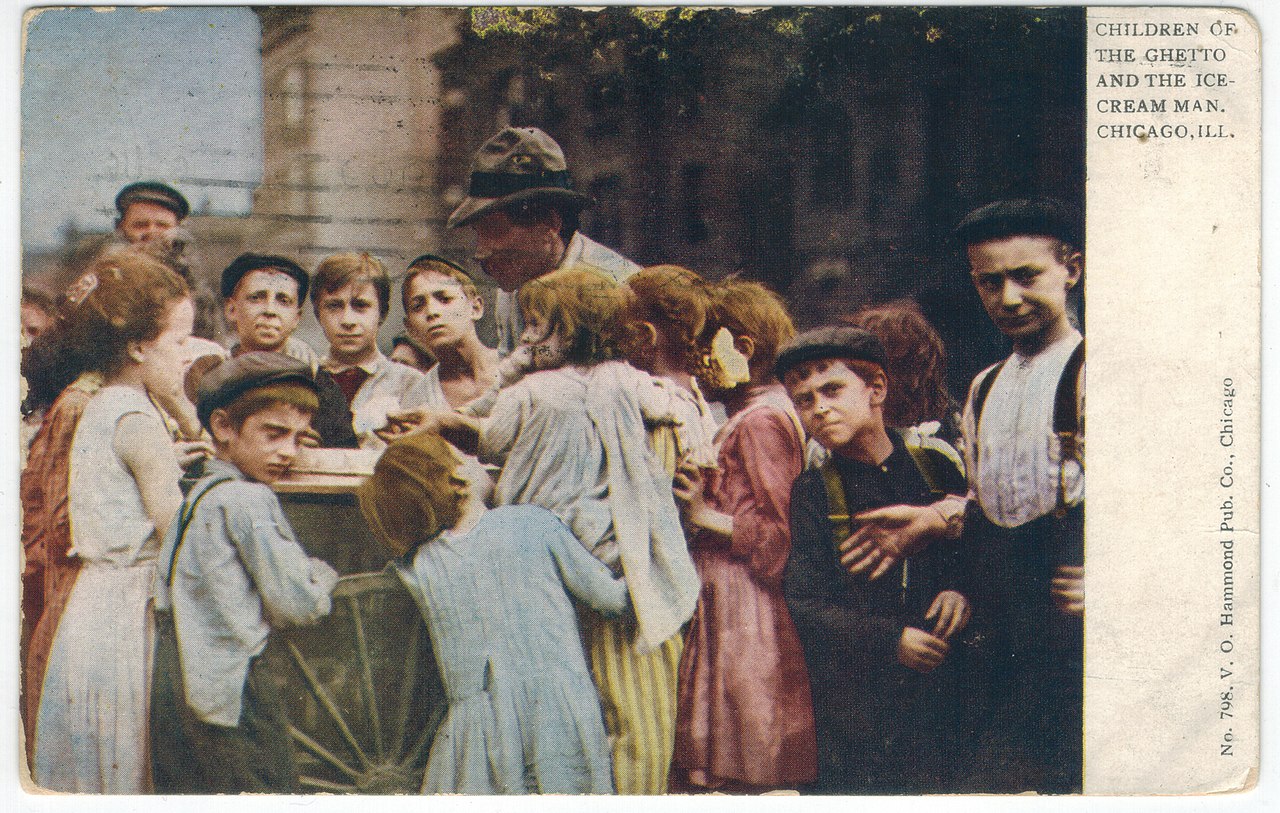
Variants of frozen flavored foods have long histories in many regions, where iced or snow-cooled fruit and sweetened mixtures were prized. The development of mechanical freezing and refrigeration expanded access and led to dedicated shops, street vendors and mass-market brands. Ice cream is eaten plain, in cones and cups, or combined into sundaes, shakes and baked items; recipe ideas and flavor resources are widely available at flavor and recipe resources and general preparation notes at preparation guides.
Quality, safety and regulation
Food safety is supported by pasteurization of the mix and hygienic processing. Many countries have regulatory standards that define what can be labeled as ice cream, often specifying minimum dairy solids and labeling requirements. Allergens such as milk, eggs and nuts should be declared. For technical and historical context see historical sources and further ingredient detail at stabilizers and gums.
Storage, nutrition and trends
Stored frozen, ice cream retains its quality for extended periods though texture can change if temperature fluctuates. Nutritionally it supplies energy from fat and sugars; lower-fat, reduced-sugar and dairy-free alternatives address dietary preferences and restrictions. Over time the category continues to evolve with new flavor combinations, inclusions, and production methods that balance taste, texture and shelf life.
Questions and answers
Q: What is ice cream?
A: Ice cream is a frozen dessert made from cream and ice, with added flavors and sweeteners.
Q: How is it made?
A: The mixture of ingredients is quickly frozen while it is stirred continuously in a mixer, so that large ice crystals do not form.
Q: What are some common ingredients used in the making of ice cream?
A: Common ingredients used to make ice cream include cream, ice, flavors, sweeteners, and carrageenan (a gum found in seaweed).
Q: What temperature does it melt at?
A: Ice cream melts at 0°C (32°F).
Q: Are there different types of ice creams available?
A: Yes, nowadays there are many different types of ice creams available with different flavors, shapes, colors and textures.
Q: Is carrageenan necessary for making good quality ice cream?
A: Yes, carrageenan helps to make the texture of the ice cream smoother and less sticky so that it can be easily eaten.
Related articles
Author
AlegsaOnline.com Ice Cream: Ingredients, Production, Varieties, and Cultural Role Leandro Alegsa
URL: https://en.alegsaonline.com/art/46422
Sources
- commons.wikimedia.org : Ice cream
- en.wikibooks.org : Cookbook
- en.wikibooks.org : Ice Cream
- icecreamhistory.net : "Who Invented Ice Cream? - Ice Cream Inventor"
- books.google.fr : Book of Firsts
- thenibble.com : "History of Ice Cream"
- news.bbc.co.uk : The origin of ice-cream
- past.oxfordjournals.org : "Making and Eating Ice Cream in Naples: Rethinking Consumption and Sociability in the Eighteenth Century"
- doi.org : 10.1093/pastj/gtt018
- worldcat.org : 0031-2746
- doi.org : 10.1016/j.measurement.2012.04.009