
Bolognese sauce (Ragù alla bolognese)
A meat-based Italian ragù originating in Bologna, traditionally paired with broad pasta. This article explains ingredients, preparation, history, and common variations.
Overview
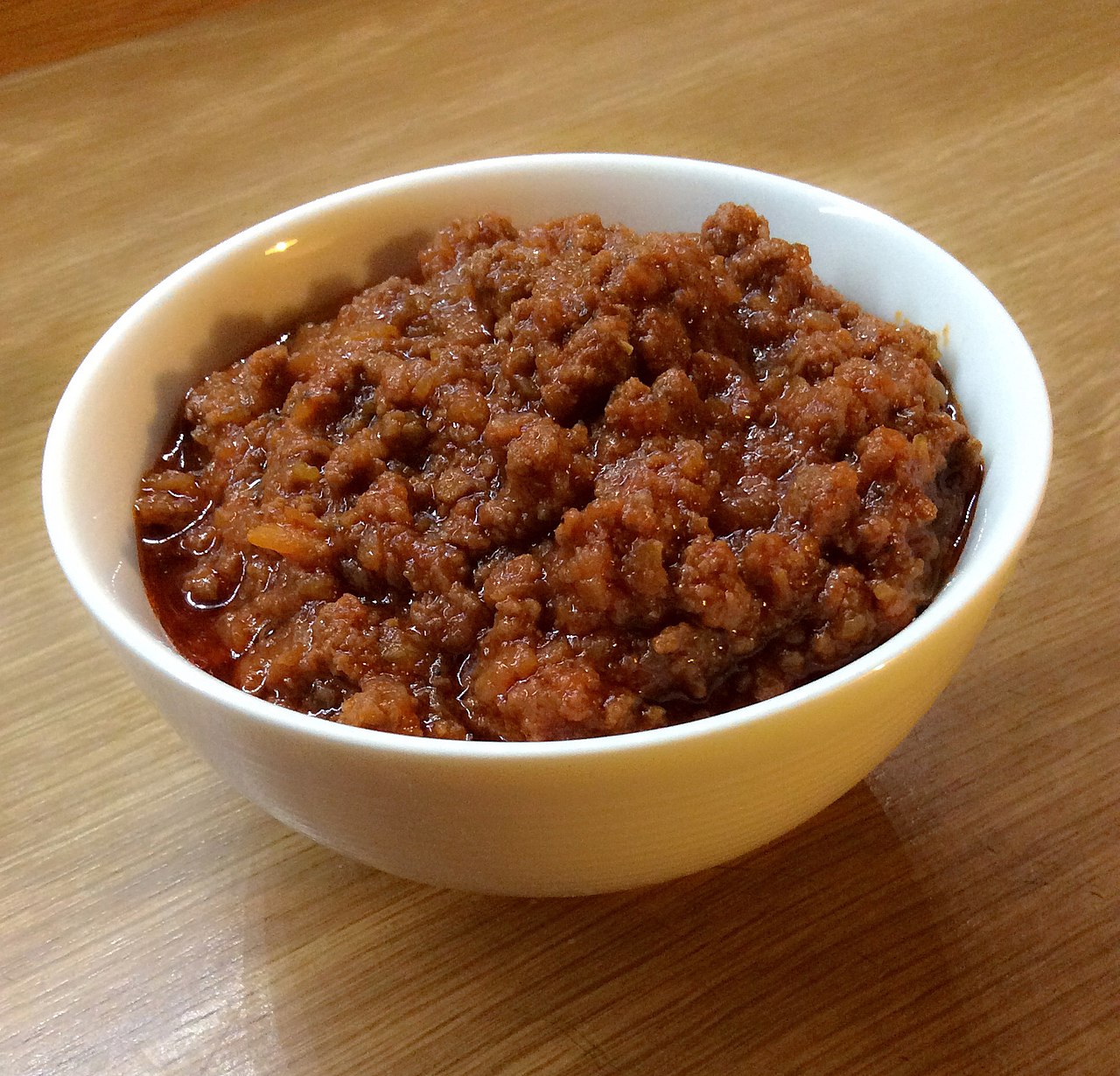
Bolognese sauce, known in Italy as Ragù alla bolognese, is a slow-cooked, meat-forward sauce that is traditionally served with fresh, broad pasta. Unlike quick tomato sauces, it develops depth through long, gentle simmering and a base of sautéed vegetables. The name links the dish to its city of origin; many people associate the recipe with Bologna in northern Italy.
Image gallery
6 Images



Characteristics and common ingredients
At its core the sauce combines ground or finely chopped meat with aromatics and liquids. Typical components include a soft mixture of onion, carrot and celery (soffritto), minced beef or a blend of meats, a small amount of tomato or tomato paste, and wine or milk to round acidity. The goal is a thick, unctuous sauce rather than a bright, watery tomato topping. For a concise reference to the concept of a slow-cooked sauce, cooks often emphasize gentle heat and time.
Preparation and cooking
- Sauté the soffritto until soft, then brown the meat to build flavor.
- Deglaze with wine, add a little tomato and liquid, then simmer slowly for an extended period.
- Finish with a splash of milk or cream for smoothness if desired; adjust seasoning.
Long, low-temperature cooking allows collagen from the meat to break down and the flavors to concentrate. Recipes vary by household and region; some use pork, beef, or a mixture, while others include pancetta or different herbs.
Serving, pasta pairings, and variations
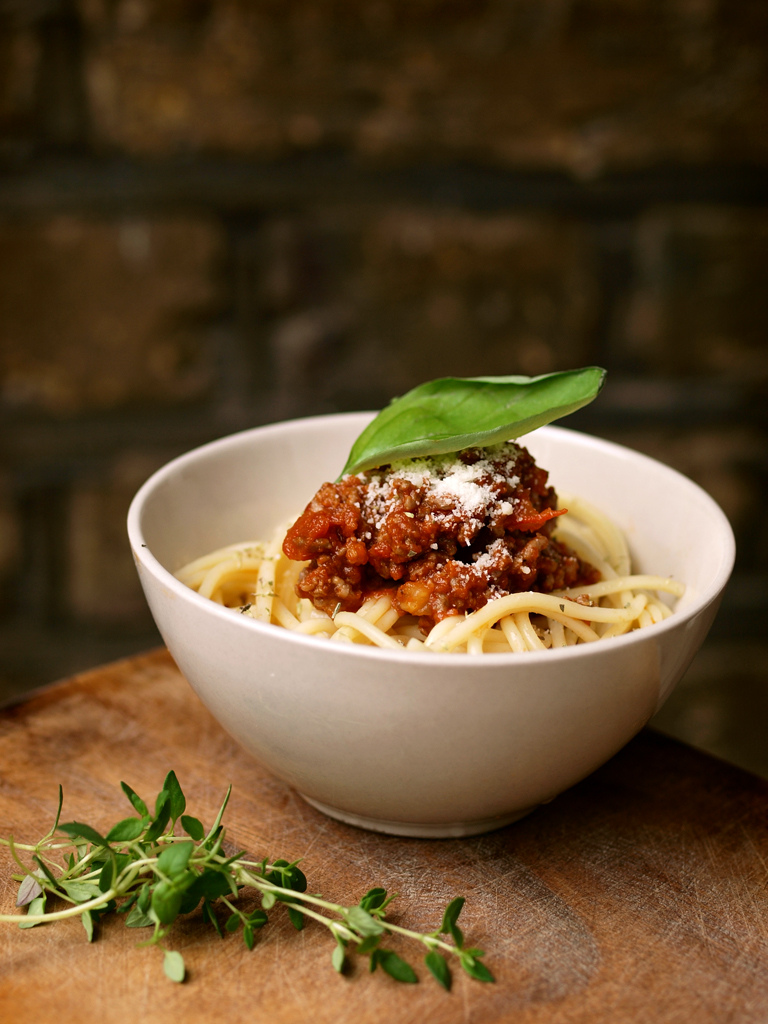
In Bologna the sauce is traditionally served with ribbon-shaped fresh pasta such as tagliatelle rather than with thin spaghetti. It also works with flat pastas like pappardelle or with short, tubular shapes that capture the ragù in their grooves. Internationally, many adaptations exist — including the ubiquitous "spaghetti Bolognese" — which differ from the Italian custom in texture and proportions.
History and cultural notes
The ragù developed as part of Emilia-Romagna's culinary tradition and reflects local ingredients and techniques. Over time it became one of Italy's most famous meat sauces and a symbol of regional cooking. While there are many family and regional variants, authoritative cookery groups have documented traditional approaches to preserve the sauce's character. For notes on pasta pairings and broader usage, see discussions of pasta and regional recipes.
Common serving suggestions include garnishing with freshly grated hard cheese and pairing with a full-bodied red wine. For further reading and modern recipe collections consult curated resources and culinary guides that explore both authentic and adapted versions of this enduring Italian classic (basic sauce guides, meat selections, pasta matching, traditional names, place of origin).
Questions and answers
Q: What is Bolognese sauce?
A: Bolognese sauce is a sauce made with meat that is mixed with pasta before eating.
Q: What is the Italian name for Bolognese sauce?
A: The Italian name for Bolognese sauce is Ragù alla bolognese.
Q: Where did Bolognese sauce originate from?
A: Bolognese sauce originated in Bologna, Italy.
Q: What type of pasta is commonly eaten with Bolognese sauce in Italy?
A: Most Italian people eat their Bolognese sauce with tagliatelle, which is a broad and flat type of pasta.
Q: Can Bolognese sauce be served with other types of pasta besides tagliatelle?
A: Yes, Bolognese sauce can also be served with ribbon or tube shaped pasta.
Q: What are the main ingredients in Bolognese sauce?
A: The main ingredients in Bolognese sauce are meat and tomatoes.
Q: What is the traditional way of making Bolognese sauce?
A: The traditional way of making Bolognese sauce involves simmering meat and vegetables slowly in a tomato-based sauce for several hours.
Related articles
Author
AlegsaOnline.com Bolognese sauce (Ragù alla bolognese) Leandro Alegsa
URL: https://en.alegsaonline.com/art/12795