
Charles Mackerras: Australian conductor and advocate of Janáček and Mozart
Sir Charles Mackerras (1925–2010), Australian-born conductor and oboist noted for championing Janáček, Mozart and Gilbert & Sullivan; international career, recordings, honours and influence.
Overview
Sir Charles Mackerras (17 November 1925 – 14 July 2010) was an Australian conductor and former orchestral oboist whose wide-ranging career made him one of the most respected musical figures of his generation. Born in Schenectady, New York, and raised in Sydney, he began as a professional oboist and later established an international reputation on the podium. Mackerras is particularly remembered for advocating the music of Leoš Janáček, for his sympathetic interpretations of Mozart, and for reviving and reinterpreting the comic operas of Gilbert and Sullivan.
Image gallery
1 Image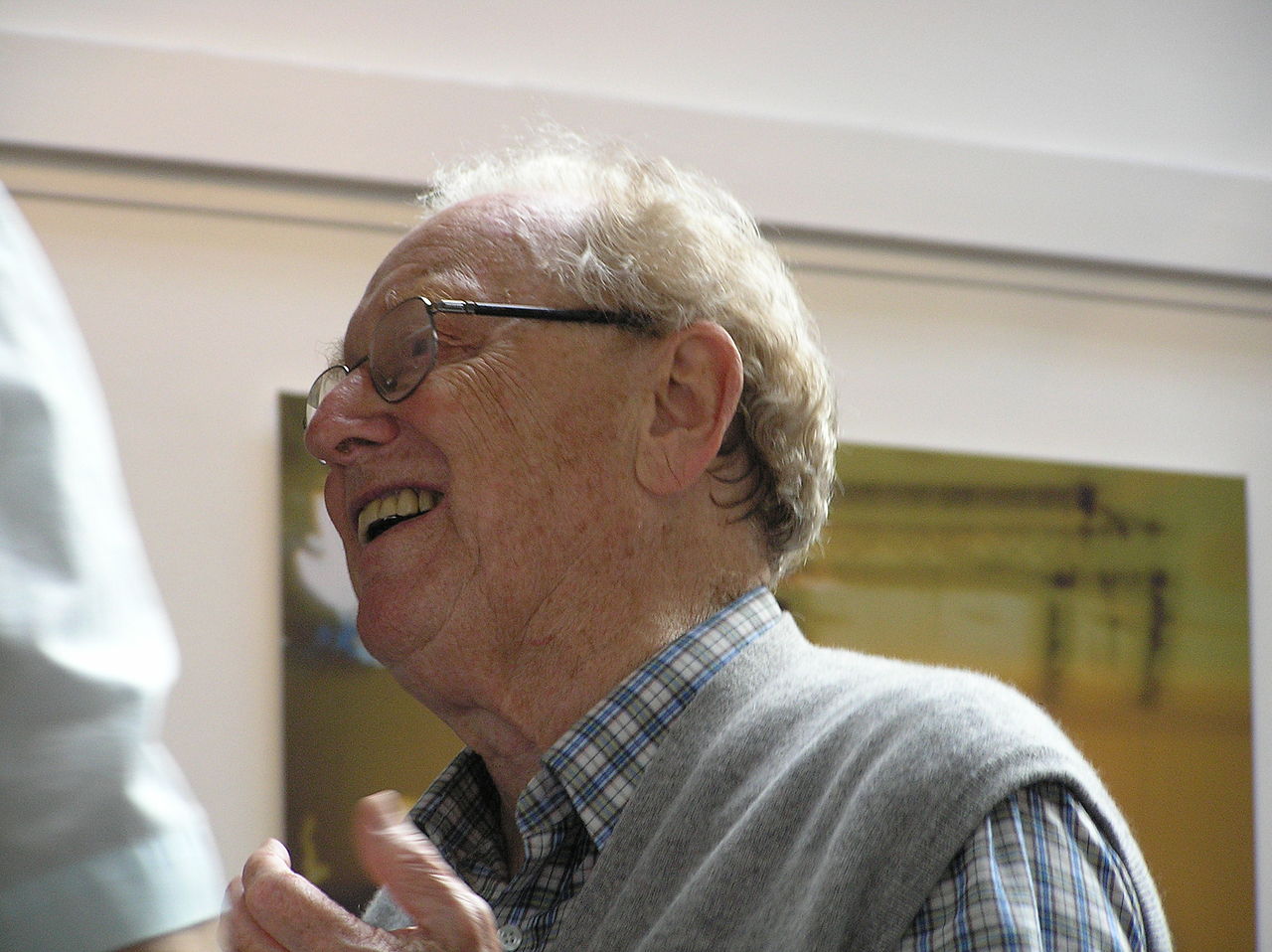
Early life and musical training
Mackerras studied at the New South Wales Conservatorium, where he trained on oboe and piano and undertook composition studies. He joined the Sydney Symphony Orchestra during World War II and became its principal oboist in 1946. His experience as a wind player and student of composition helped shape a conducting approach valued for clarity of texture, balance and attention to instrumental detail. Early professional activity combined orchestral playing, chamber music, coaching singers and small-scale conducting assignments.
International career and repertoire
Over several decades Mackerras conducted many of the major orchestras and opera companies in Europe, North America and Australia. He became widely known for operatic work, where his facility with language, dramatic pacing and sensitivity to singers won praise. He brought particular focus to Czech repertoire, especially the operas of Janáček, helping to bring them to greater prominence outside central Europe. Equally, he championed historically informed approaches to Mozart and other Classical-era repertoire, favouring transparent orchestral balances and tempi that support vocal lines while remaining mindful of contemporary performance conditions.
Approach and musical style
Mackerras combined scholarly preparation with practical musicianship. He studied original sources and sought insights from historical practice, yet he applied these principles flexibly to suit singers, orchestras and modern concert halls. His conducting was often praised for its rhythmic vitality, clear articulation of inner lines and a theatrical sense of timing that served both comic and serious works. Critics and colleagues noted his capacity to illuminate text and drama in opera, including careful attention to diction and phrasing in Slavic languages.
Notable performances and appointments
A notable national milestone was Mackerras conducting at the opening of the Sydney Opera House in 1973; some years later he became the first Australian to hold the orchestra's principal conductorship. Internationally, he was a frequent guest with leading opera houses and symphony orchestras, and he made numerous recordings that circulated his interpretive ideas to a wide audience. His association with the works of Janáček and his reconstructions of Savoyard repertory are often cited among his most lasting contributions.
Honours, recordings and legacy
Throughout a long career Mackerras received many honours acknowledging his contribution to music. These included being created a Companion of the Order of Australia, being named to the Order of the Companions of Honour, and appointment as a Commander of the Order of the British Empire (CBE) in 1979. He was commonly referred to as Sir Charles, reflecting the knighthood he held. His extensive discography and frequent guest appearances influenced generations of conductors and singers; his advocacy helped reshape repertoire choices, particularly for Czech and Classical-era works. Mackerras lived for many years in London and died there from cancer in 2010.
Characteristics and influence
- Transitioned from principal oboist to conductor, retaining keen awareness of wind and solo lines.
- Champion of Janáček and of idiomatic, singer-focused readings of Mozart operas.
- Combined source-based research with practical theatrical instincts, influencing later historically informed practice.
- Celebrated for clear textures, rhythmic precision and sympathetic collaboration with singers and orchestras.
Further reading and links
- Biography and chronology
- Overview of conducting career
- Operatic highlights and productions
- Work on Janáček
- Approaches to Mozart
- Gilbert and Sullivan connections
- Recordings and critical reception
- Early life: birthplace and family background
- Australian upbringing and education
- Studies and work as an oboist
- Piano and compositional studies
- Career during and after World War II
- Sydney Opera House and national milestones
- Honours and official recognitions
Related articles
Author
AlegsaOnline.com Charles Mackerras: Australian conductor and advocate of Janáček and Mozart Leandro Alegsa
URL: https://en.alegsaonline.com/art/116222
Sources
- news.smh.com.au : "Conductor Sir Charles Mackerras dies"
- smh.com.au : "Sir Charles Mackerras dies"