
Comedy: forms, history, and cultural role
Overview of comedy as a genre: origins, major forms and techniques, historical development, social functions, and considerations for performance and study across media.
Comedy is an artistic and performative genre whose primary aim is to provoke laughter, amusement, or thoughtful recognition through words, situations, or physical action. The term derives from the ancient Greek κωμῳδία, and the idea of comedy as a distinct dramatic form developed in classical antiquity alongside tragedy. While comedy often seeks to entertain, it also commonly performs social observation, critique, or emotional relief.
Image gallery
10 Images
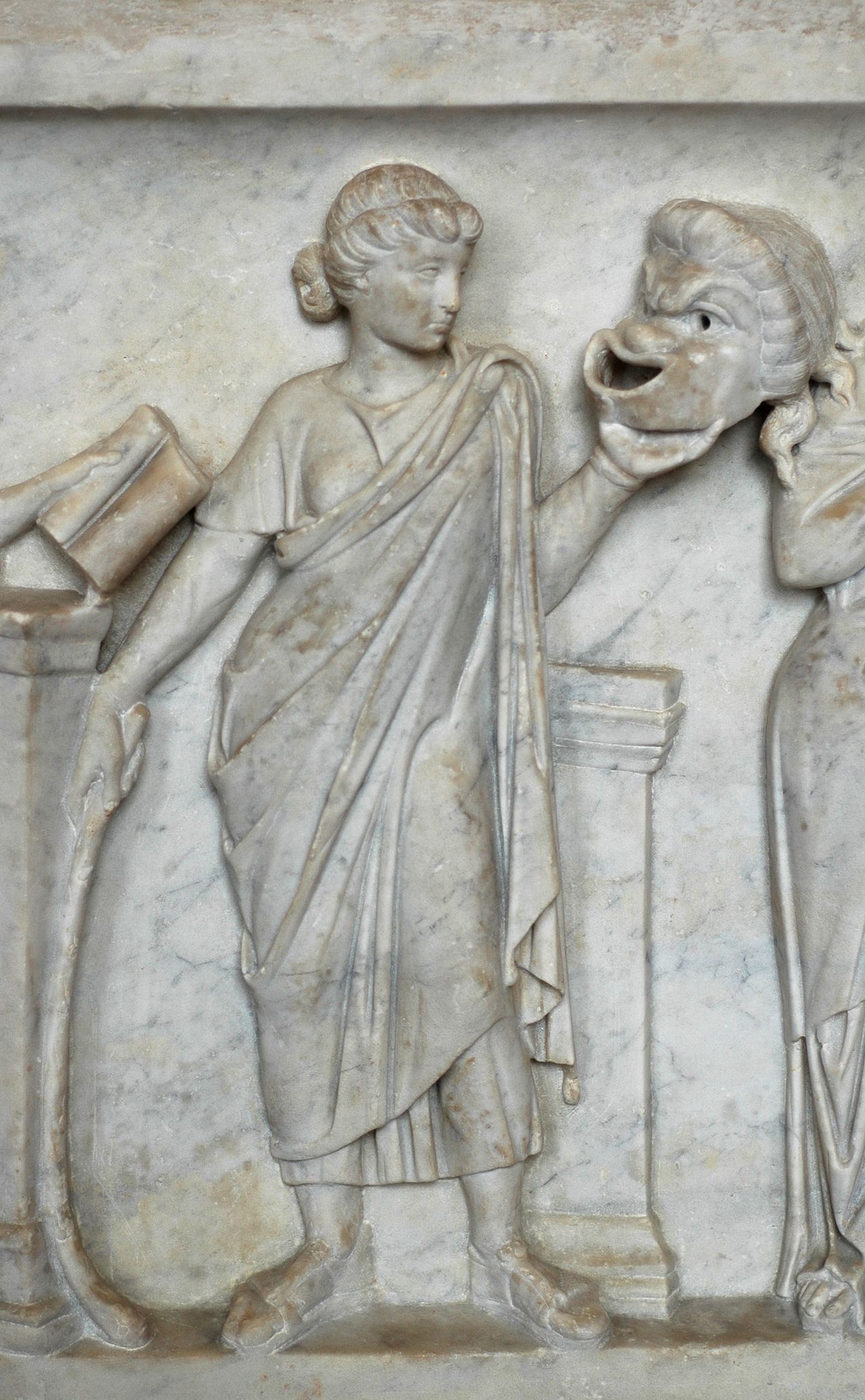


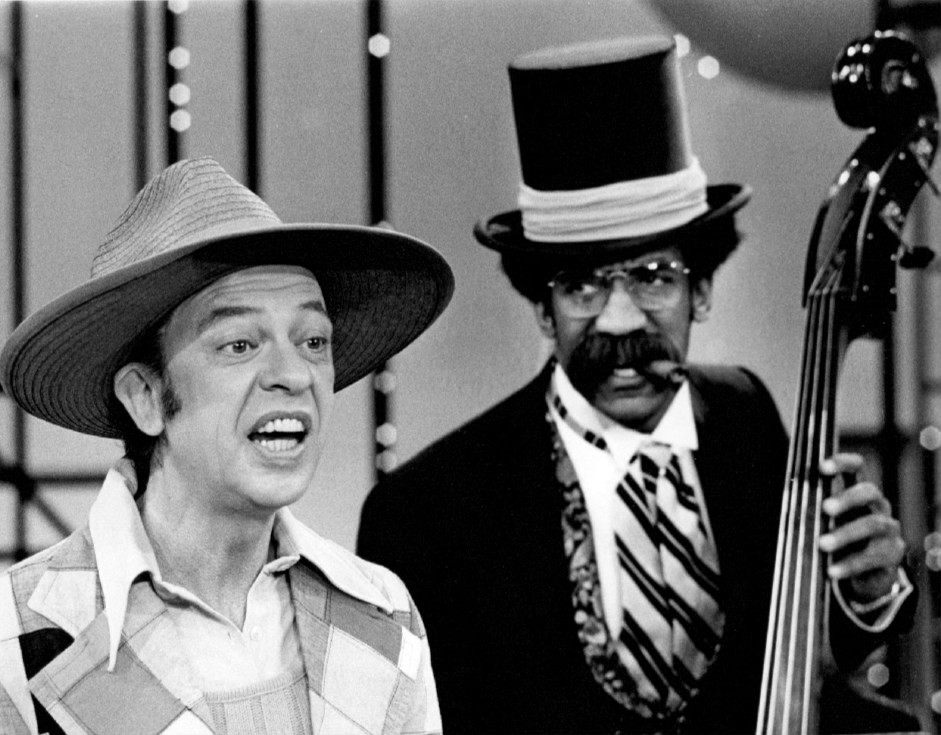
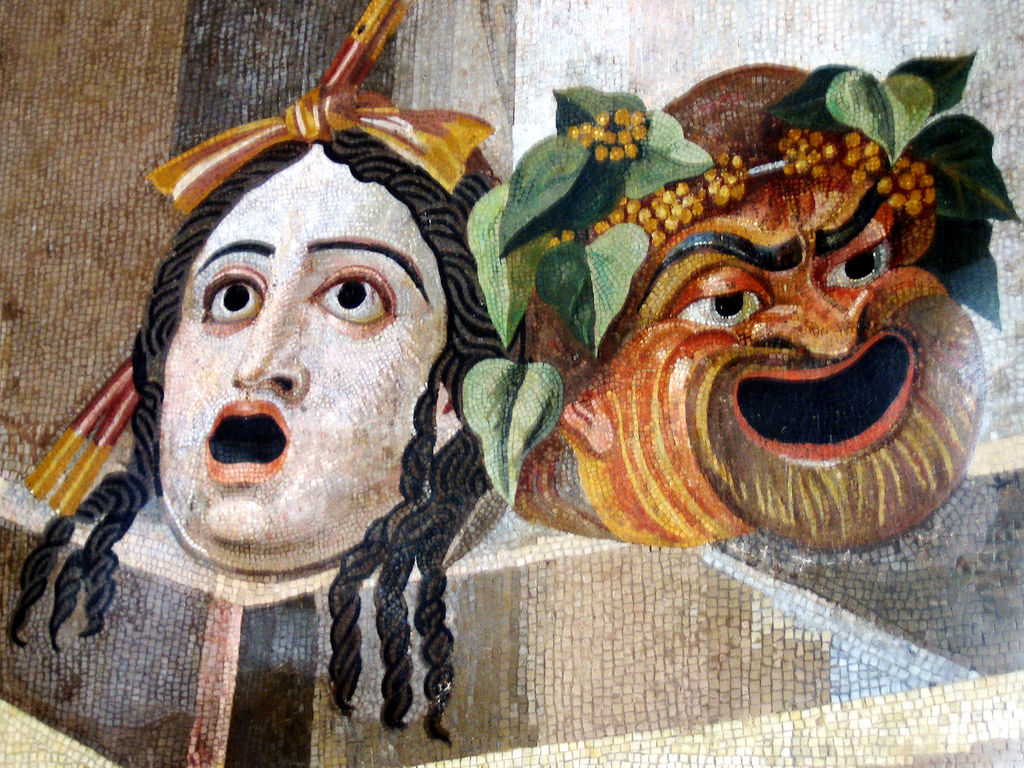



Characteristics and techniques
Comedic works deploy a recurring set of devices to create humour. Among the most important are incongruity (the clash between expectation and reality), exaggeration, reversal of roles, timing and rhythm, wordplay and puns, misdirection, physical mishap and slapstick, and contrast between characters. Tone can range from gentle and affectionate to satirical or dark. The effectiveness of material frequently depends on delivery: a performer’s pace, emphasis, facial expression and timing shape audience response.
Major forms and media
Comedy exists across many formats and platforms. Traditional theatrical comedy uses scripted scenes and comic archetypes, while modern media include short sketches, situation comedies, feature films, and stand-up. Each format builds humour differently: sketch and improv emphasise rapid idea shifts and modular jokes; sitcoms rely on recurring characters and settings to develop running jokes; stand-up foregrounds direct performer–audience rapport and topical commentary.
- Theatre: stage plays and dramatic comedies with character-driven wit and situational humour.
- Film: cinematic comedies range from broad slapstick to subtle romantic comedies and dark comedies.
- Television: serial comedies and sketch shows that exploit episodic structure for running gags.
- Stand-up and performers: live monologues and improvisation centred on a comedian’s voice and perspective.
- Written forms: humorous novels, satire, essays, cartoons and comic strips that rely primarily on language and narrative.
Genres and styles
Common subgenres include satire, which critiques institutions and ideas; parody, which imitates and mocks artistic styles; farce, built on improbable situations and rapid action; and slapstick, focused on physical comedy. Other approaches include romantic comedy, tragicomedy (blending humour and pathos), and black or gallows humour that treats serious subjects with ironic detachment.
Historical development
In the Western tradition, comedy emerged in the festivals of ancient Greece and evolved through Roman comedy, medieval popular entertainments and the improvisational commedia dell'arte of Italy, which introduced stock characters and masks. The early modern period brought witty, language-driven comedies in England and France; the 18th and 19th centuries saw comic operas, music-hall performances and vaudeville. The 20th century expanded comedy through film, radio and television, and later digital platforms, each reshaping how jokes are written and distributed.
Social functions and cultural roles
Comedy performs many social functions: it entertains and relieves stress, enables social bonding by jointly acknowledging human foibles, and acts as a vehicle for criticism and dissent by making difficult topics approachable. Comedic voice can reinforce shared values or, conversely, challenge power structures by exposing hypocrisy. Because humour depends on context, jokes can succeed in one culture and fail or offend in another.
Performance, craft, and ethics
Writing and performing comedy require attention to audience, timing, and structure. Comedic writers use setups and payoffs, escalation, and callbacks to create satisfying laughs. Performers tune delivery, physicality and audience interaction. Ethical questions often surround targets of humour—whether jokes "punch up" at power or "punch down" at vulnerable groups—and the evolving norms of what audiences consider acceptable.
Study and resources
Comedy is studied across disciplines: literature and drama scholars analyse structure and history; sociologists and psychologists examine humour’s effects; and media studies trace its changing forms. Readers seeking examples and primary texts can consult collections of classic plays and scripts, recorded performances and curated retrospectives. Useful starting points include anthologies of dramatic comedy and archived recordings of notable series and stand-up shows, and resources that compile scripts and critical commentary such as collections of plays and scripts and television indexes at TV repositories. For biographical and performance materials, directories and databases of comedians and filmographies of films offer practical leads. Historical and etymological discussions can be found in surveys of dramatic origins linked to the term κωμῳδία and related studies.
Because comedy continually adapts to changing social values and media technologies, ongoing observation of contemporary scenes—live venues, streaming platforms and social media—remains essential for understanding how humour functions in public life.
Questions and answers
Q: What is comedy?
A: Comedy is an entertainment with generally funny content that is able to make people laugh.
Q: Where was comedy first used?
A: Comedy was first used in Ancient Greece.
Q: How did Aristotle define comedy?
A: Aristotle defined comedy as "an imitation of characters of a lower type- not, however, in the full sense of the word bad, the ludicrous being merely a subdivision of the ugly." He also said it consists in some defect or ugliness which is not painful or destructive.
Q: Who are lampooners?
A: Lampooners are writers of Comedy.
Q: Who are termed as comedians or comedic actors?
A: People who are known for acting in comedies are termed as comedians or comedic actors.
Q: Is comedy just for theatre plays? A: No, comedy can also be found in television shows and movies.
Related articles
Author
AlegsaOnline.com Comedy: forms, history, and cultural role Leandro Alegsa
URL: https://en.alegsaonline.com/art/21905