
Musical Conducting: Role, Technique, and History
An encyclopedic overview of musical conducting: its purpose, common techniques (baton and gestures), historical development, rehearsal role, and contexts from orchestras to choirs and bands.
Overview
Conducting is the practice of directing a musical ensemble by indicating tempo, rhythm, dynamics and expression so that multiple performers coordinate and shape a unified performance. While small groups can synchronize by eye contact or verbal cues, larger ensembles—such as a full orchestra—require a dedicated leader. The conductor both signals practical details (when to start, when to stop, exact tempo) and communicates interpretive choices that affect the overall character of the music.
Image gallery
8 Images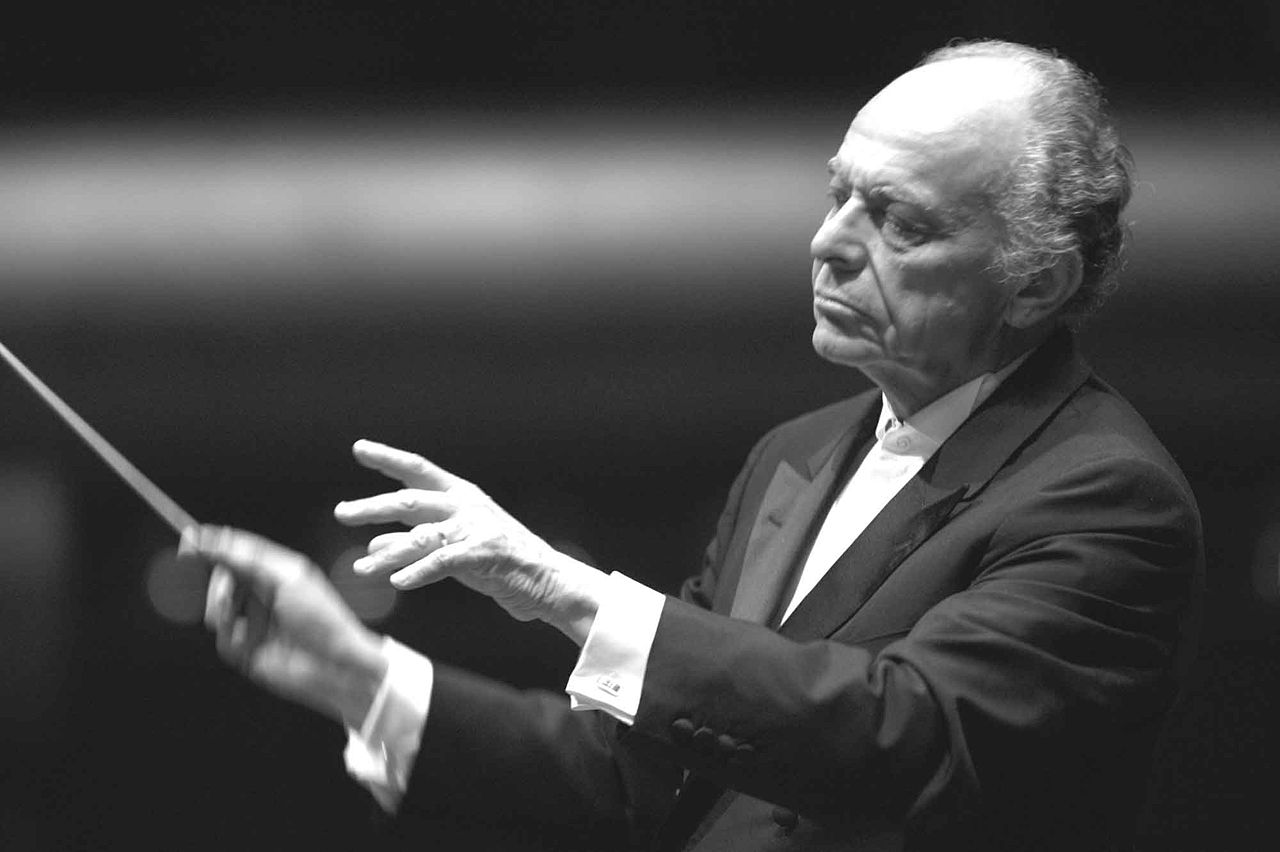





Role and responsibilities
The conductor functions as a timekeeper, a rehearsal director and an interpreter. Typical responsibilities include:
- Establishing tempo and beat patterns to keep everyone together.
- Shaping dynamics and phrasing so musical lines balance correctly.
- Cueing entrances and coordinating complex rhythms or tempo changes.
- Preparing the ensemble in rehearsals, addressing technical and ensemble problems.
Smaller ensembles sometimes rely on collective leadership or subtle physical cues—Head nods and eye contact are common in chamber music—but larger groups benefit from a single visible point of direction.
Techniques and gestures
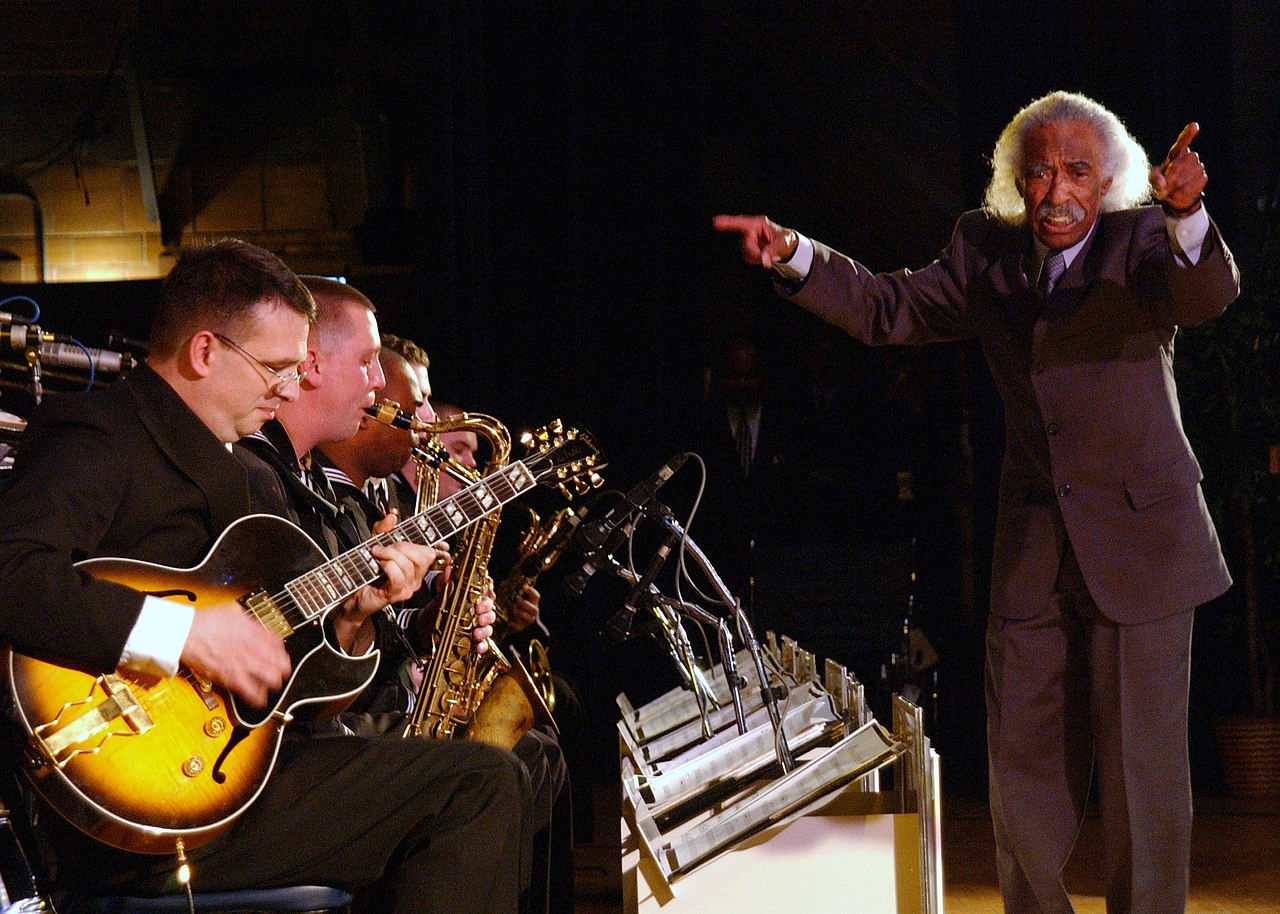
Conductors use a variety of gestures to communicate. The most visible is the beat pattern, made with a hand or baton, indicating the meter and subdivision of the beat. A clear downbeat and consistent rebound help musicians align precisely. Other gestures convey tempo changes, dynamic levels and expressive character. Fingers, wrists and arms indicate size and intensity; facial expression and eye contact can refine nuances.
Tools: baton, hands, and the score
Some conductors prefer the baton to extend the line of the arm and clarify small movements; others conduct with bare hands for greater flexibility. Reading from a full score allows the conductor to follow every instrument’s part and plan ensemble balance. Good score preparation involves analyzing entrances, orchestration, tempo relationships and problematic passages before rehearsals begin.
History and development
Conducting evolved as ensembles grew in size and complexity. Early music often involved a leader within the group; by the 18th and 19th centuries a distinct conducting role emerged, especially as symphonies and operas required coordinated entrances and unified expression. Over time conducting developed into a specialized profession with its own techniques, schools and traditions.
Contexts, examples and notable facts
Conductors lead a wide range of ensembles beyond symphony orchestras: choirs, wind bands, opera companies and jazz orchestras all rely on conductors to varying degrees. Choral conductors emphasize text and vowel shaping; band conductors attend to wind balance and articulation. Famous conductors have become influential interpreters whose styles shaped audiences’ expectations and ensemble practices. Conducting also serves educational and community roles, guiding young musicians and shaping ensemble culture.
For further reading on technique, repertoire and conducting history, see resources linked here: overview, interpretation, string, instrument, and educational materials at dynamics and tempo guides. Additional general resources are available at orchestral and conducting collections.
Questions and answers
Q: What does conducting mean in music?
A: Conducting in music means beating time to help a group of musicians to sing or play well together.
Q: Why is it important for an orchestra to play exactly together?
A: If an orchestra is playing music, it is important that they all play exactly together. They need to know exactly when to start, what tempo (speed) to go, how loud or quietly to play, and what the mood of the music should be.
Q: How do small groups of musicians ensure they play together?
A: If a small number of people play music together (like in a chamber orchestra), they can talk about this amongst themselves. One person can nod with his/her head or with the bow of a string instrument to help the group to start and finish together.
Q: What is a conductor?
A: With larger orchestras, such as a symphony orchestra, there are so many people (almost a hundred of them in some cases) that they need a separate person to lead. This person is called the conductor.
Q: How does a conductor help a symphony orchestra?
A: The conductor helps the symphony orchestra by setting the tempo, indicating dynamic changes, giving cues to individual musicians and sections, and setting the overall mood of the music.
Q: Why do larger orchestras need a conductor?
A: Larger orchestras need a conductor because there are so many people (almost a hundred of them in some cases) that they need a separate person to lead and ensure everyone is playing together.
Q: How can a conductor communicate with a large orchestra?
A: A conductor can communicate with a large orchestra using hand gestures, facial expressions, eye contact, and body language.
Related articles
Author
AlegsaOnline.com Musical Conducting: Role, Technique, and History Leandro Alegsa
URL: https://en.alegsaonline.com/art/22449