
Cole Porter: American composer and songwriter
Cole Porter (1891–1964) was an American composer and lyricist known for sophisticated melodies, witty lyrics, and enduring songs from Broadway and Hollywood musicals.
Cole Porter (June 9, 1891 – October 15, 1964) was an American composer and songwriter whose work became a central part of the Great American Songbook. He wrote both music and lyrics for stage and screen, producing urbane, stylish songs and full-length musicals that remain popular for their melodic craft and verbal wit.
Image gallery
10 Images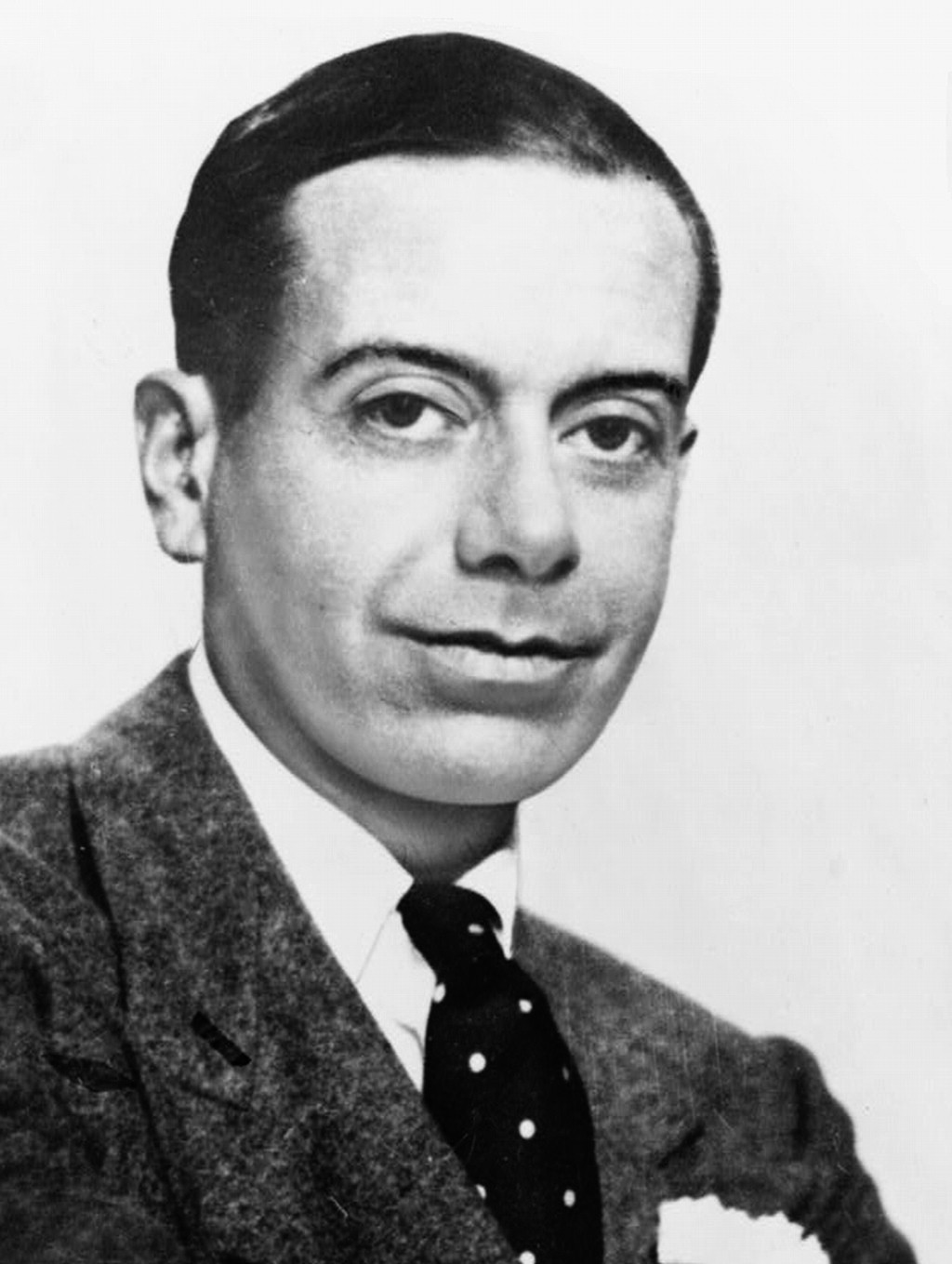




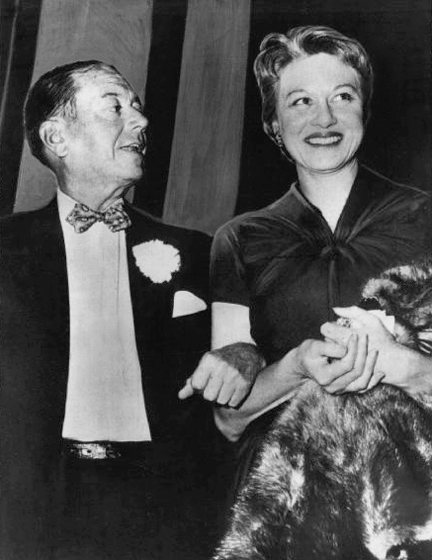
Style and craft
Porter's songs are noted for polished melodies, unusual chord progressions for popular music of his era, and clever, often risqué lyrics. He favored tightly constructed rhyme schemes, internal rhymes, and sophisticated vocabulary, blending Broadway showmanship with a cosmopolitan sensibility. Unlike many collaborators of his time, Porter typically wrote his own words as well as the music, a practice that helped give his work a unified voice.
Major works
- Kiss Me, Kate (1948) — a landmark musical that helped bridge musical comedy and operetta traditions.
- Anything Goes (1934) — one of his best-known shows, celebrated for its buoyant score.
- Fifty Million Frenchmen and DuBarry Was a Lady — examples of his 1920s–1930s stage work.
Familiar songs that entered the standard repertoire include Night and Day, I Get a Kick Out of You, I've Got You Under My Skin, and Well, Did You Evah! Many of these pieces have been recorded repeatedly by jazz, pop, and orchestral artists and are frequently performed in concerts and revivals.
Life and career
Born to a prosperous Midwestern family, Porter studied at Yale and Harvard and spent time in Paris studying music. He wrote songs for revues and musicals beginning in the 1910s and rose to prominence in the 1920s and 1930s with Broadway and Hollywood assignments. His social life and marriage to socialite Linda Lee Thomas gave him entrée into influential circles that supported his theatrical career. In later years a serious riding accident affected his health and mobility, but he continued to compose despite chronic pain.
Legacy and influence
Porter's combination of sophisticated harmony and urbane, witty lyricism influenced Broadway songcraft and popular music. His songs endure in jazz standards, film soundtracks, and stage revivals. Scholars and performers study his melding of lyric and melody as an exemplar of how a single creator can shape both words and music. For biographical summaries and collections of his songs see biographical resources, discussions of his composition techniques at music-focused sites, and archived production histories at theatre reference pages and song anthologies.
Porter's songs remain a staple of cabaret, jazz, and musical theatre repertoires, and his influence can be heard in generations of songwriters who value witty text set to sophisticated music.
Questions and answers
Q: Who was Cole Porter?
A: Cole Porter was an American composer and songwriter.
Q: What type of musical comedies did Cole Porter write?
A: Cole Porter wrote musical comedies such as Kiss Me, Kate, Fifty Million Frenchmen, DuBarry Was a Lady, and Anything Goes.
Q: What are some of Cole Porter's most famous songs?
A: Some of Cole Porter's most famous songs include "Night and Day," "I Get a Kick out of You," "Well, Did You Evah!" and "I've Got You Under My Skin."
Q: What was Cole Porter known for in his songwriting?
A: Cole Porter was well known for his clever lyrics and rhymes.
Q: What is the Great American Songbook?
A: The Great American Songbook is a collection of the most influential and popular American songs from the early 20th century.
Q: Were any of Cole Porter's songs included in the Great American Songbook?
A: Yes, many of Cole Porter's songs were included in the Great American Songbook.
Q: When did Cole Porter pass away?
A: Cole Porter passed away on October 15, 1964.
Related articles
Author
AlegsaOnline.com Cole Porter: American composer and songwriter Leandro Alegsa
URL: https://en.alegsaonline.com/art/116740
Sources
- nationalreview.com : NationalReview-CP
- coleporter.org : ColePorterOrg-bio
- legionofthelost.com : Legion of the Lost