
Leoš Janáček: Czech composer inspired by Moravian speech-melodies and folk culture
Leoš Janáček (1854–1928), Czech composer known for operas, choral and instrumental works shaped by Moravian speech-rhythms and folk music; noted for late masterpieces inspired by regional culture and personal passion.
Leoš Janáček was born in Hukvaldy on July 3, 1854 and died in Moravská Ostrava on August 12, 1928. He is one of the most distinctive Czech composers whose career bridges the late Romantic tradition and the early decades of the 20th century. From his earliest works to his late masterpieces, Janáček sought to create music shaped by the life, speech and songs of his native Moravia.
Image gallery
10 Images


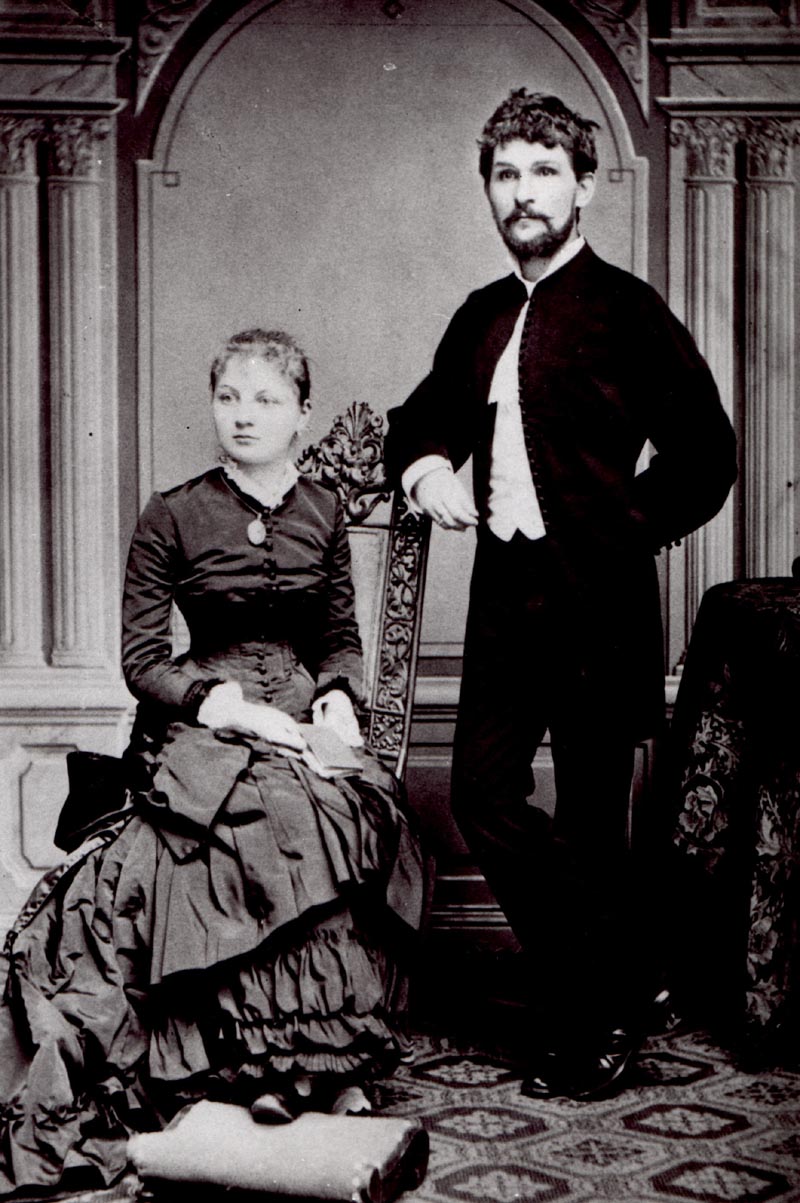
Style and musical characteristics
Janáček is widely associated with the technique often called "speech-melody," by which the natural inflections and rhythms of spoken language are transformed into musical motifs. The rhythm of his music frequently reflects the cadence of the local dialect, a speech pattern in Moravia that shows affinities with neighbouring Polish intonations. He combined modal and folk-derived elements with compact motifs, incisive rhythms and inventive orchestration to produce a direct, often sharply expressive musical language.
Across genres Janáček favored concentrated dramatic scenes, economical development of ideas and a vocal writing that follows the contours of ordinary speech. His instrumental writing shares this terseness: short, memorable kernels of melody recur and are transformed, creating coherence without long Romantic expanses.
Operas and major works
Janáček is especially celebrated for his operas, which draw on Czech literature, local stories and human dilemmas rather than grand historical spectacle. Notable stage works include Jenůfa, a powerful tragedy of village life; Káťa Kabanová, noted for its psychological intensity; and the lyrical fable The Cunning Little Vixen, which reflects on the relations between humans and animals in a country forest. (A "vixen" is a female fox.)
Beyond opera, Janáček wrote important choral and orchestral pieces, chamber works and songs. His Glagolitic Mass—rooted in the ancient liturgical tradition—stands alongside late string quartets and piano miniatures as examples of his late-period economy, intensity and inventive use of sonority.
Life, influences and late flowering
Janáček combined formal musical training with careful fieldwork: he collected folk tunes, noted local speech and remained active in regional musical life as a teacher and organizer. His mature voice developed markedly in the last two decades of his life, when a concentrated harmonic palette, bold rhythmic drive and heightened theatrical sense appear across vocal and instrumental works.
One well-known biographical element is his deep late attachment to Kamila Stösslová, a relationship that inspired and energized many of his final works. While personal passion contributed emotional impetus, the music itself retains formal rigor and dramatic purpose rather than becoming mere confession.
Reception and legacy
Janáček left a distinctive and frequently performed body of work. His operas and instrumental pieces are staples of international repertory and have attracted sustained scholarly interest for their novel treatment of speech, folk elements and orchestral color. Performers and directors often highlight his economy of gesture and dramatic clarity when staging his operas, and recordings have helped broaden the audience for his music beyond Czech-speaking regions.
His influence can be traced in later composers who sought to integrate regional speech and folk material into a modern musical idiom. Festivals, opera houses and ensembles continue to revisit his scores, exploring questions of tempo, diction and stagecraft that his music poses.
- Representative works: Jenůfa, Káťa Kabanová, The Cunning Little Vixen, Glagolitic Mass, late string quartets and piano miniatures.
- Key concepts: rhythm, dialect-inspired speech-melody, Moravian folk influence, economy of motif.
- Further reading and resources: biographical notes from Hukvaldy, national music collections and Czech music portals provide scores, programme notes and recordings; see introductory overviews at regional archives and conservatory holdings cited in local guides Moravská Ostrava and commemorative materials from 1928.
Questions and answers
Q: Who was Leoš Janáček?
A: Leoš Janáček was a Czech composer who lived at the end of the Romantic period and the beginning of the 20th century.
Q: What was Janáček's goal with his music?
A: Janáček wanted his music to sound typical of his country.
Q: What influenced the rhythm of Janáček's music?
A: The rhythm of Janáček's music sounds like the rhythm of the dialect he spoke, which was quite close to Polish.
Q: What is Janáček famous for?
A: Janáček is famous for his operas which are all based on Czech stories.
Q: What is The Cunning Little Vixen about?
A: The Cunning Little Vixen is about animals in a forest, with the titular "vixen" being a female fox.
Q: When did Janáček write his greatest works?
A: Most of Janáček's greatest works were written towards the end of his life.
Q: Who inspired many of Janáček's last compositions?
A: A young woman called Kamila was the inspiration for many of Janáček's last compositions.
Related articles
Author
AlegsaOnline.com Leoš Janáček: Czech composer inspired by Moravian speech-melodies and folk culture Leandro Alegsa
URL: https://en.alegsaonline.com/art/124215