
Sydney Opera House: history, architecture, and cultural role
A concise overview of the Sydney Opera House: its design, construction, functions, and cultural importance as an architectural landmark on Sydney Harbour.
Overview
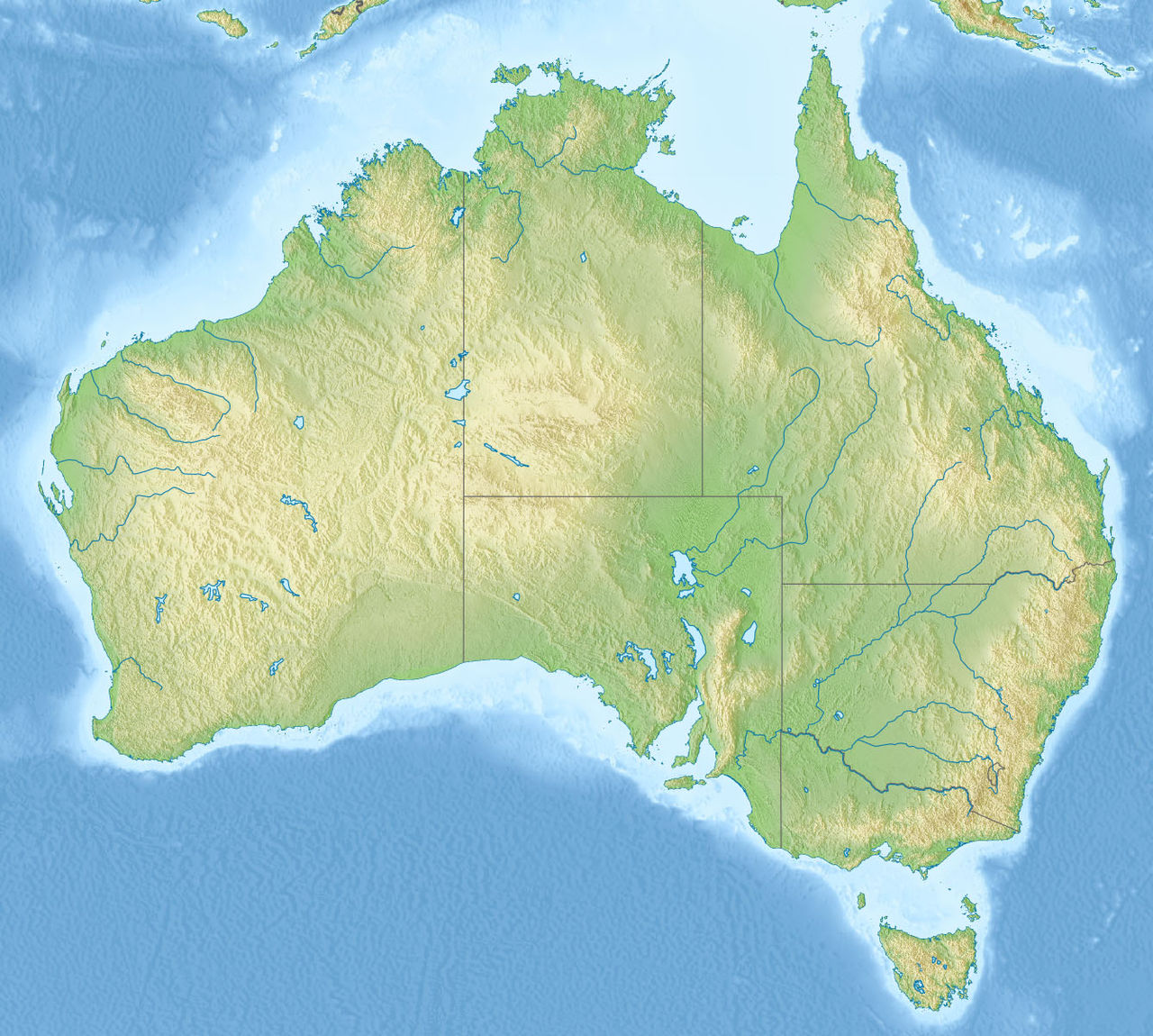
The Sydney Opera House is a multi-venue performing arts centre and one of the world’s most recognisable buildings, sited on Bennelong Point at Sydney Harbour in Sydney, Australia. Its roofline, often likened to billowing sails, is visible from many points around the harbour and has become an international symbol of the city and country. The complex hosts a wide range of events: opera, symphony, theatre, dance, contemporary music and community programs, with roughly two thousand performances staged each year.
Image gallery
10 Images





Design and architectural features
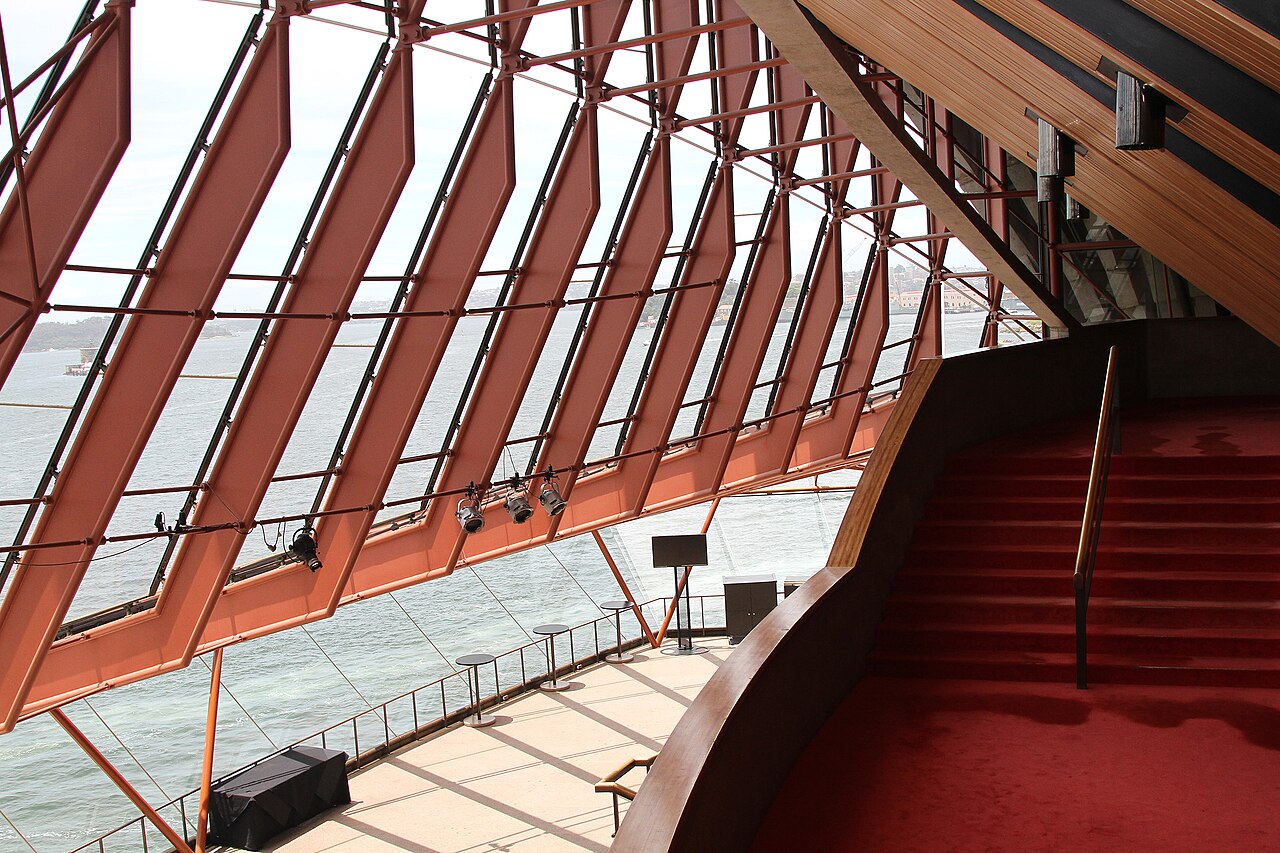
The design is best known for a series of interlocking shell-like roofs formed from precast concrete ribs and clad with glossy ceramic tiles. These roofs cover multiple performance venues organised within a podium that follows the curve of the point. The building combines engineering innovation and sculptural form: the shells are a solution to spanning large indoor spaces without internal columns, while the podium and terraces connect the structure to the harbour edge.
History and development
The Opera House began as the result of an international design competition in the mid-20th century. The winning architect, Jørn Utzon from Denmark, proposed the distinctive shell concept. Construction proceeded over many years and involved complex engineering and design revisions. The project attracted public attention for its ambition, technical challenges, changing leadership during construction, and for later restoration and improvement work to meet contemporary performance standards.
Uses, venues and visitor experience
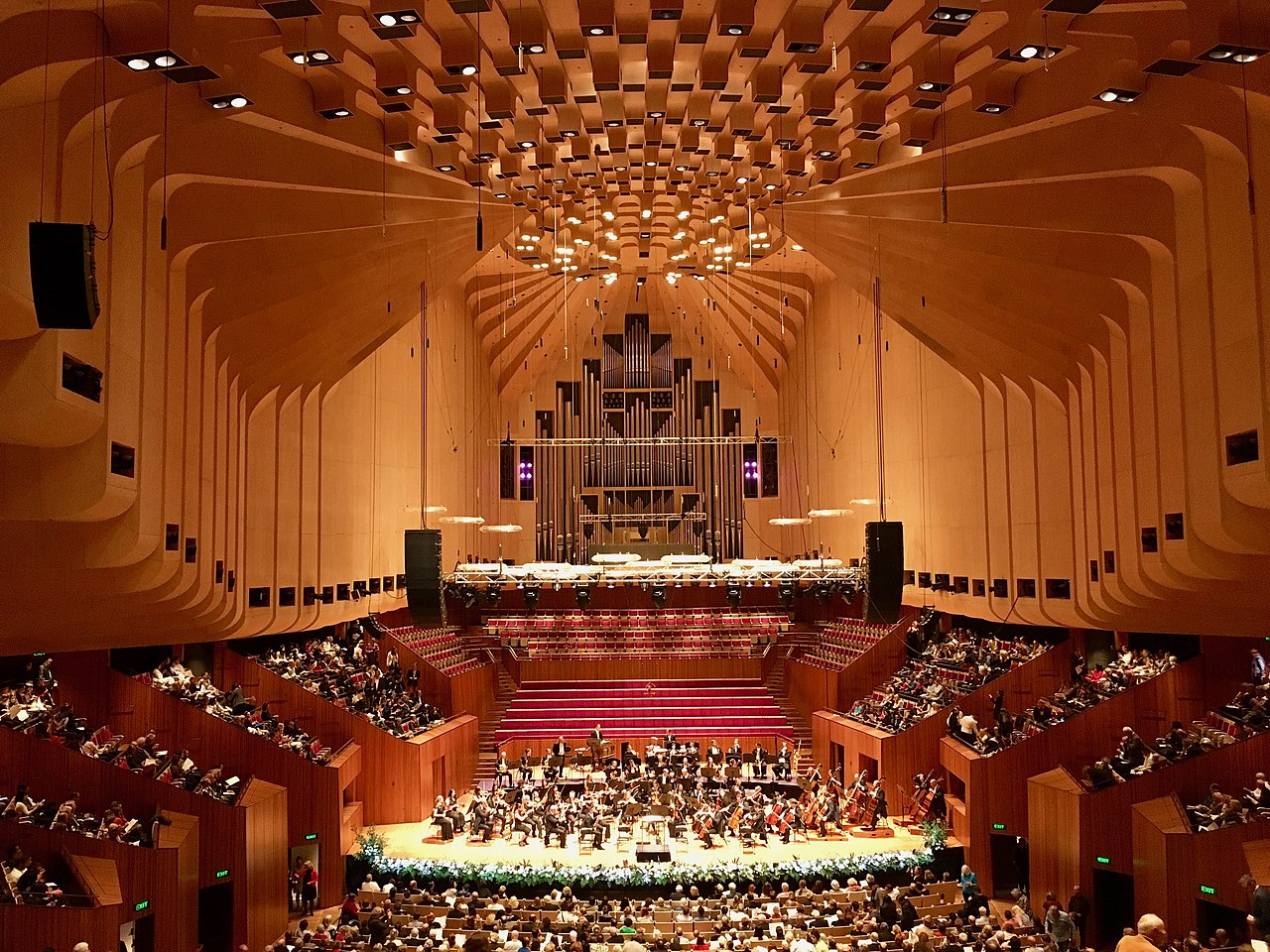
Inside the complex are several principal performance spaces, including a major concert hall and a principal theatre used for opera productions, alongside smaller theatres, studios and function rooms. The building supports resident companies and touring artists, educational programs, guided tours and public events. Visitors may attend performances, join backstage tours, dine at on-site restaurants or simply walk the forecourt to view the harbour and city skyline. It is one of the city’s top tourist attractions.
Significance and notable facts
- The Opera House is celebrated as an example of 20th-century expressionist architecture and a bold integration of form and engineering.
- Its silhouette—frequently referenced as stylised sails—is used in visual identities and promotional imagery for the city.
- Over time the site has been subject to conservation, upgrades for acoustic and operational performance, and careful heritage management.
Further reading and resources
For more details on programming, visitor information, architectural analysis and heritage status, consult official sources and specialist studies. Useful starting points include the institution’s own information pages (official pages) and architectural histories that examine the building’s design and impact. Local guides provide context about its setting on Sydney Harbour and its relationship to the city of Sydney and to Australia.
Short factual summaries and image galleries often highlight the structure’s sails-like form (sail motif), its role as an opera house (performing arts venue) and its popularity as a tourist attraction. For programming calendars, venue hire and visitor logistics, consult the building’s official communications and recognised cultural authorities for authoritative, up-to-date information.
Additional resources and academic commentary can be found through museum, architectural and heritage organisations that offer deeper analysis of the Opera House’s design, construction story and place in 20th- and 21st-century cultural life (architecture resources, city archives).
Questions and answers
Q: What is the Sydney Opera House?
A: The Sydney Opera House is a well-known and iconic building located in Sydney, Australia, which serves as an opera house.
Q: Where is the Sydney Opera House located?
A: The Sydney Opera House is located on the shores of Sydney Harbour.
Q: What is the shape of the Sydney Opera House?
A: The Sydney Opera House is shaped like the sails of a boat.
Q: What kind of events take place at the Sydney Opera House?
A: A lot of concerts and events take place at the Sydney Opera House, with 2000 performances a year presented by Opera Australia, the national opera company of Australia.
Q: How many performances are presented at the Sydney Opera House every year?
A: The Sydney Opera House presents 2000 performances every year.
Q: What is Opera Australia?
A: Opera Australia is the national opera company of Australia.
Q: Is the Sydney Opera House a popular tourist attraction?
A: Yes, the Sydney Opera House is a famous tourist attraction.
Related articles
Author
AlegsaOnline.com Sydney Opera House: history, architecture, and cultural role Leandro Alegsa
URL: https://en.alegsaonline.com/art/95587
Sources
- rba.gov.au : "Inflation Calculator" · web.archive.org
- businesseventssydney.com.au : "About Opera Australia"