
Wolfgang Amadeus Mozart (1756–1791): life, works, and legacy
Comprehensive overview of Mozart: prodigy years, major works and genres, stylistic traits, career in Salzburg and Vienna, and his lasting influence on Western music.
Wolfgang Amadeus Mozart (27 January 1756 – 5 December 1791) was an Austrian composer, performer and teacher whose music became a cornerstone of the Classical era. Baptized as Johannes Chrysostomus Wolfgangus Theophilus Mozart, he showed extraordinary ability from childhood and built a repertory that still defines standards of form, melody and dramatic expression. As a celebrated composer and virtuoso, Mozart combined technical mastery with immediate emotional appeal and helped shape the conventions of symphony, concerto, opera and chamber music.
Image gallery
10 Images


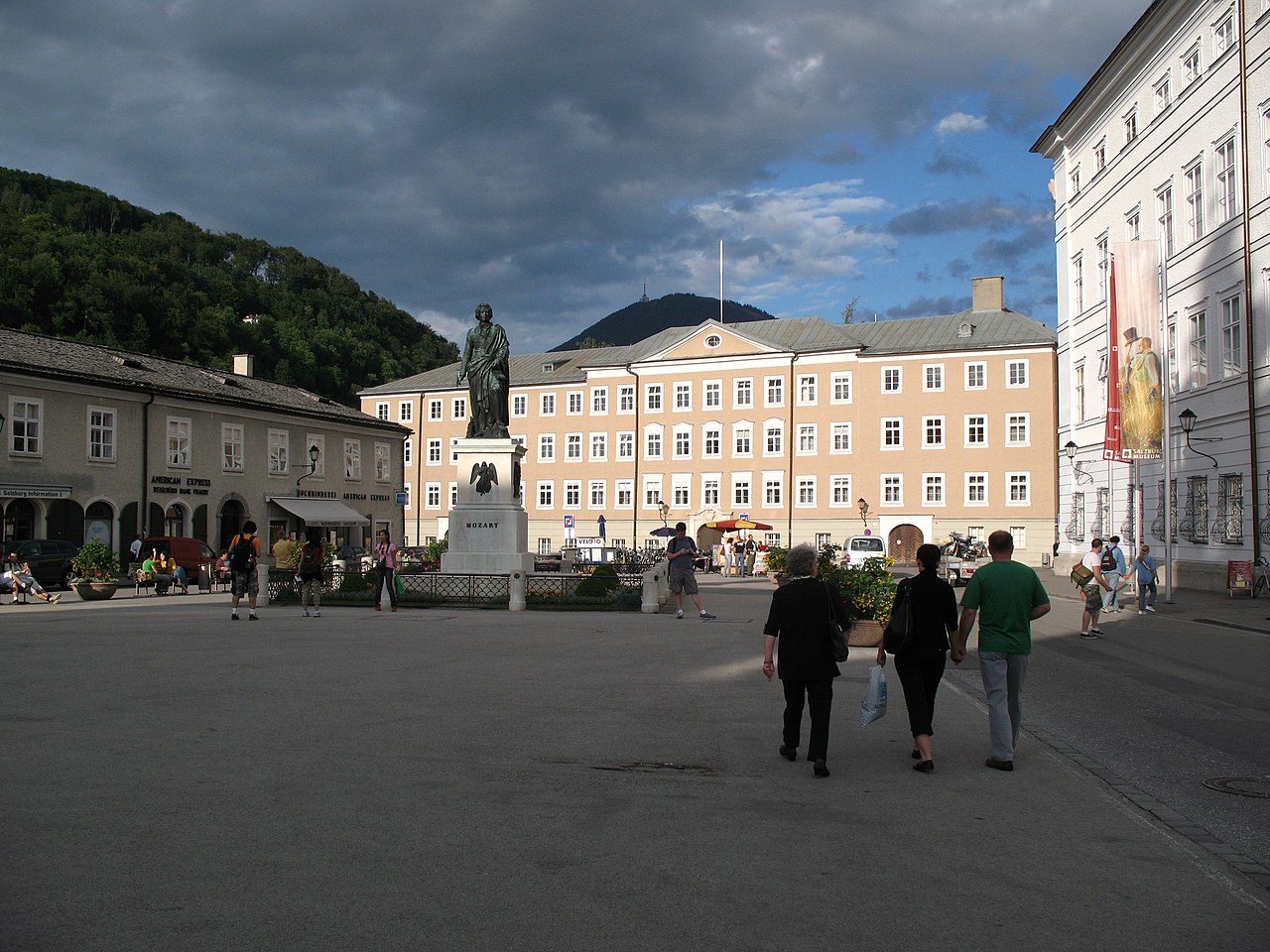


Career and biography
Mozart was born in Salzburg, then part of the Holy Roman Empire, the youngest surviving child of Leopold and Anna Maria Mozart. His father, an accomplished teacher and violinist, recognized and cultivated his son's gifts. From the age of five Mozart toured widely in Europe with his sister Maria Anna (“Nannerl”) and their parents, performing before courts and aristocratic audiences. As a young adult he spent time in Paris and elsewhere seeking opportunities, served briefly at the Salzburg court, and ultimately settled in Vienna, where he pursued freelance composing, teaching and concert activity. He married Constanze Weber and had two surviving sons; his life in Vienna mixed artistic success with recurring financial strain, and he died after a short, poorly understood illness at 35.
Music, style and genres
Mozart wrote more than 600 works that span virtually every major late-18th-century form. He is known for operatic characterisation, elegant and balanced instrumental forms, and a fluid gift for melody. Key traits of his style include clear formal design, conversational textures between instruments and voices, and a refined use of harmony that supports expressive nuance. His operatic writing advanced dramatic realism and ensemble writing, while his instrumental music—ranging from intimate chamber pieces to grand symphonies—remains prized for its craft and immediacy.
Major works and representative pieces
- Operas: general overview of his stage works can be found at Operas. Famous titles include The Marriage of Figaro, Don Giovanni and The Magic Flute.
- Symphonies: among many, notable examples appear in discussions of symphonies, including mature works in E-flat, G minor and C major.
- Concertos: celebrated piano concertos and several violin concertos remain central to performers’ repertory.
- Chamber and sacred music: prolific output includes string quintets, piano quartets and a wealth of chamber music, together with masses and motets; his unfinished Requiem is particularly famous.
Mozart’s influence is broad. He consolidated and refined forms that earlier masters such as Bach and his contemporaries had advanced, and his work directly affected subsequent composers, notably Beethoven. His music is studied for its exemplary clarity of structure and for its emotional range—from light, graceful divertimento to profound religious and operatic moments. Modern performances, recordings and scholarly editions have maintained Mozart’s central place in concert life and education.
Notable facts about Mozart include the myths and realities that surround his fame: he was a child prodigy who matured into a cosmopolitan artist; some works were left incomplete at his death; and stories of personal rivalries have often been exaggerated. Today he is remembered for the extraordinary breadth and lasting popularity of his oeuvre, which continues to influence how Western art music is taught, performed and appreciated.
Questions and answers
Q: When was Wolfgang Amadeus Mozart born?
A: Wolfgang Amadeus Mozart was born on January 27, 1756.
Q: What was his full baptised name?
A: His full baptised name was Johannes Chrysostomus Wolfgangus Theophillus Mozart.
Q: Where did he live when he was young?
A: He lived in Salzburg (then a free archbishopric city within the Bavarian Imperial Circle / German Empire, now Austria) when he was young.
Q: How many musical works did Mozart write?
A: Mozart wrote more than 600 musical works.
Q: What are some of his well-known operas?
A: Some of his well-known operas include The Marriage of Figaro, Don Giovanni, Così fan tutte and The Magic Flute.
Q: What other types of music did he compose?
A: He also composed symphonies in E-flat major, G minor, and C major ("Jupiter"), concertos for piano, violin, and various wind instruments; chamber pieces; works for the church; minuets and other dances; songs; and the Requiem.
Q: How is Mozart regarded among composers?
A: Along with Bach and Beethoven, Mozart is regarded as one of the greatest composers who has ever lived.
Author
AlegsaOnline.com Wolfgang Amadeus Mozart (1756–1791): life, works, and legacy Leandro Alegsa
URL: https://en.alegsaonline.com/art/133067