
Donald Trump
American businessman, television personality and politician; 45th President of the United States (2017–2021). Overview of his career, presidency, controversies, and ongoing influence.
Overview
Donald John Trump is a public figure who rose from a family real estate business to become a national political leader. He is widely known as an American businessman, a media personality and politician, and served as the 45th President of the United States. His profile combines commercial development, mass-media exposure and a populist political style that reshaped parts of the Republican Party and U.S. public debate.
Image gallery
10 Images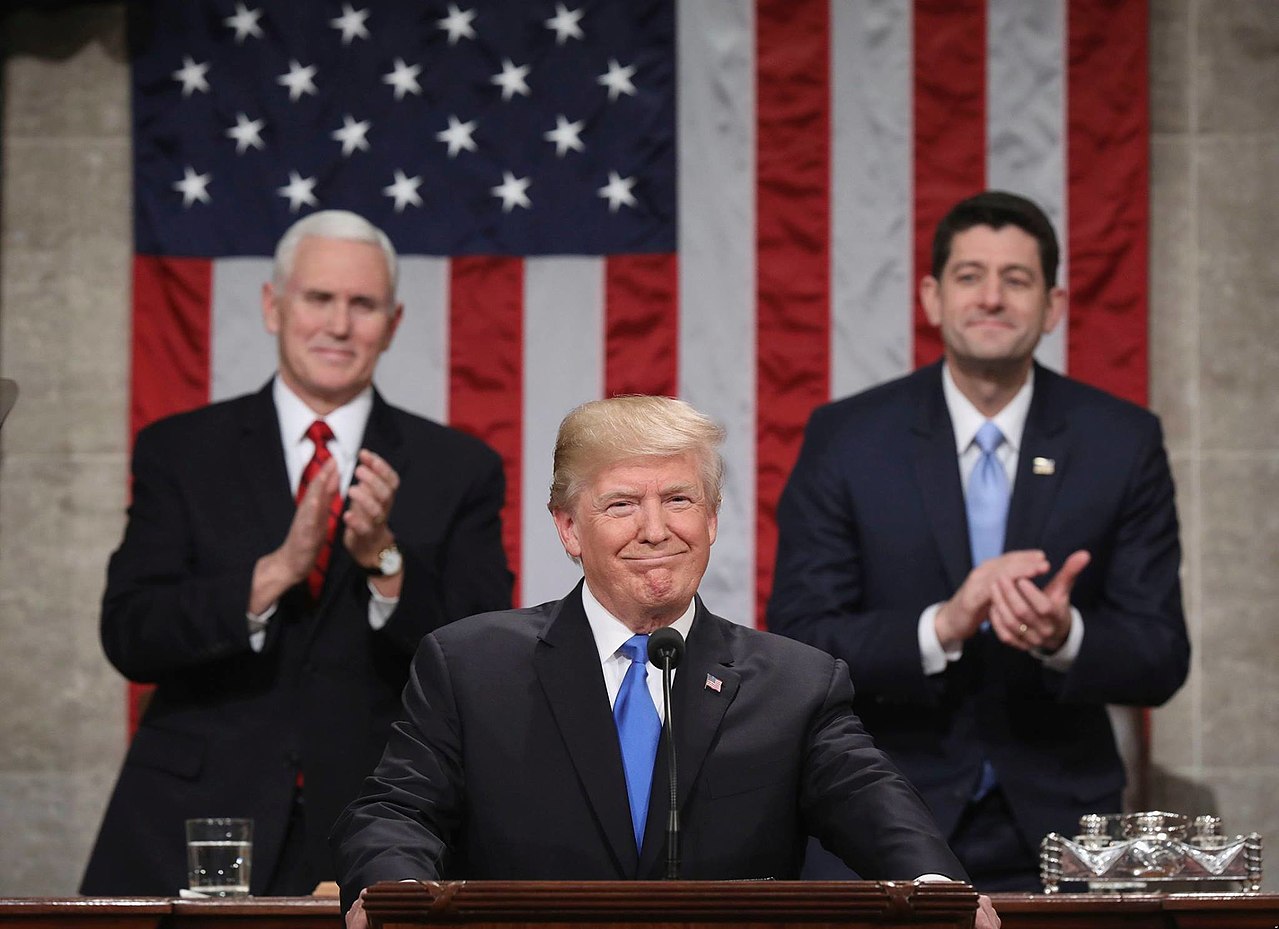




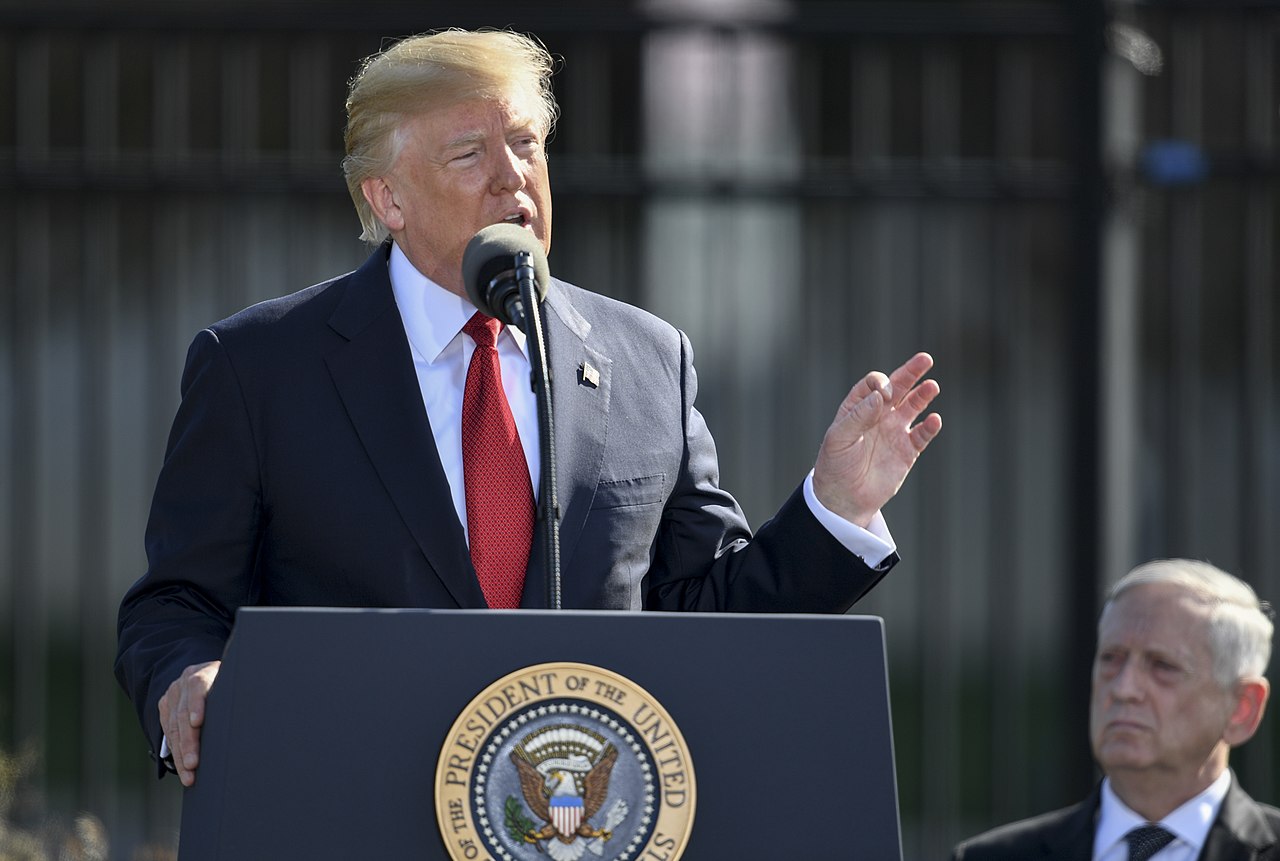


Business and media career
Trump led and branded a private holding company, The Trump Organization, whose portfolio has included office towers, hotels, casinos and residential buildings. Much of his business activity centered on urban real estate markets such as New York City New York, entertainment and resort developments in Las Vegas Las Vegas, and hospitality investments in Atlantic City Atlantic City. He expanded his public persona by acquiring and operating events like the Miss Universe pageant and by starring in the reality television series The Apprentice, which increased his national recognition. Later in life he changed his primary residence from New York New York to Florida Florida, a move noted in public filings about residency.
Entry into politics and 2016 campaign
Trump announced his candidacy for president in 2015 and ran for the Republican nomination for the 2016 presidential election 2016. His campaign drew intense media attention and, by mid-2015, polling showed him leading the Republican field polls and emerging as the party front-runner front-runner. He competed against other Republican candidates including Ted Cruz Ted Cruz. His rhetoric on immigration immigration, national security and cultural issues generated both strong support from many middle-class and rural working-class voters working-class supporters and substantial criticism from Democrats Democrats, some Republicans Republicans, business leaders business figures, and foreign officials world leaders. The campaign also drew commentary from religious leaders and public figures including the pope the pope.
2016 election and presidency (2017–2021)
After securing the Republican nomination nomination in 2016, Trump faced Democratic nominee Hillary Clinton Hillary Clinton, a former Secretary of State Secretary of State, senator and First Lady First Lady. The electoral contest concluded in November 2016 when Trump won a majority of the Electoral College votes—surpassing the required 270 electoral votes electoral votes—and was inaugurated on January 20, 2017 inauguration. His presidency prioritized tax changes, deregulation, a tougher stance on trade, and appointments to the federal judiciary, while provoking vigorous public debate about tone, policy and institutional norms.
Impeachments, controversies and legal matters
Trump's time in office and the period that followed featured multiple controversies and formal inquiries. In late 2019 the House of Representatives, led by Speaker Nancy Pelosi Nancy Pelosi, opened an impeachment inquiry impeachment inquiry and the House voted to begin the process House vote. Committees produced reports alleging misconduct including charges described as bribery and obstruction bribery and wire fraud wire fraud, and the House ultimately voted to impeach him impeach. The Senate later held a trial and voted to acquit acquit him in early 2020.
Following the 2020 presidential election 2020 election, which was won by Joe Biden Joe Biden, Trump disputed the outcome, filed legal challenges in several states lawsuits, and publicly questioned tabulation and certification procedures. He told some state officials, including Georgia Secretary of State Brad Raffensperger Brad Raffensperger, that he wanted to address vote totals; the episode and broader post-election events culminated in a violent breach of the U.S. Capitol U.S. Capitol by supporters. The House impeached him a second time House of Representatives, making him the only U.S. president formally impeached twice, and the Senate again acquitted him Senate.
Legacy, influence and later developments
Trump's political movement reshaped party coalitions, media discourse and policy priorities for many Americans. Supporters credit him with an assertive economic agenda and conservative judicial appointments; critics point to divisions in public life, repeated legal disputes, and a confrontational governing style. After leaving office he remained an influential figure within the Republican Party and continued to be active in public life, including political campaigning and commentary. His post-presidential period has included ongoing legal examinations and civil and criminal cases reported in public records related matters and public proceedings public scrutiny.
Further reading and related topics
- Public opinion and polling
- Campaign organization and strategy
- Primary opponents and debates
- Criticism and responses
- Immigration policy positions
- Electoral base and demographics
- Opposition from Democrats
- Internal Republican party reaction
- Business community reactions
- International reactions
- 2016 Democratic ticket
- Roles of past officials
- First Ladies and public life
- Electoral College mechanics
- Inauguration details
- Congressional leadership
- House proceedings
- Legislative branch
- Impeachment process
- Allegations and charges
- Legal concepts referenced
- First impeachment
- Post-election litigation
- 2020 presidential transition
- Election administration
- Court cases
- State officials mentioned
- Capitol events
- Senate trial
- Acquittal votes
Questions and answers
Q: When was Donald Trump born?
A: Donald Trump was born on June 14, 1946.
Q: What did he do before becoming president of the United States?
A: Before becoming president of the United States, Donald Trump was a businessman, media personality and chairman and president of The Trump Organization. He made much of his money in real estate in New York City, Las Vegas, and Atlantic City and owned the Miss Universe pageant. He also starred in his own reality show The Apprentice.
Q: When did he announce that he would run for President of the United States?
A: In June 2015, Donald Trump announced that he would run for President of the United States in the 2016 presidential election.
Q: Who did he face off against in the general election?
A: In the general election, Donald Trump faced off against Democrat Hillary Clinton (former Secretary of State, U.S. Senator, and First Lady of the United States).
Q: How many electoral votes were needed to win?
A: To win the election each candidate needed 270 electoral votes to win. Donald Trump had 304 while Clinton had 227.
Q: How many times has Donald Trump been impeached?
A: Donald Trump has been impeached twice; once in December 2019 and again after supporters rioted at Capitol Hill in January 2021
Related articles
Author
AlegsaOnline.com Donald Trump Leandro Alegsa
URL: https://en.alegsaonline.com/art/114863