
President of the United States
Overview of the office of the President of the United States: roles, constitutional powers, election and succession, historical notes, and examples such as Grover Cleveland and Joe Biden.
The President of the United States is the nation's chief executive, combining roles commonly described as head of state and head of government. As leader of the executive branch, the president directs federal administration, represents the country in foreign affairs, and serves as commander in chief of the United States Armed Forces. The office is established by Article II of the Constitution and has evolved through legislation, amendment, and practice to encompass a broad set of political, legal, and symbolic duties.
Image gallery
10 Images
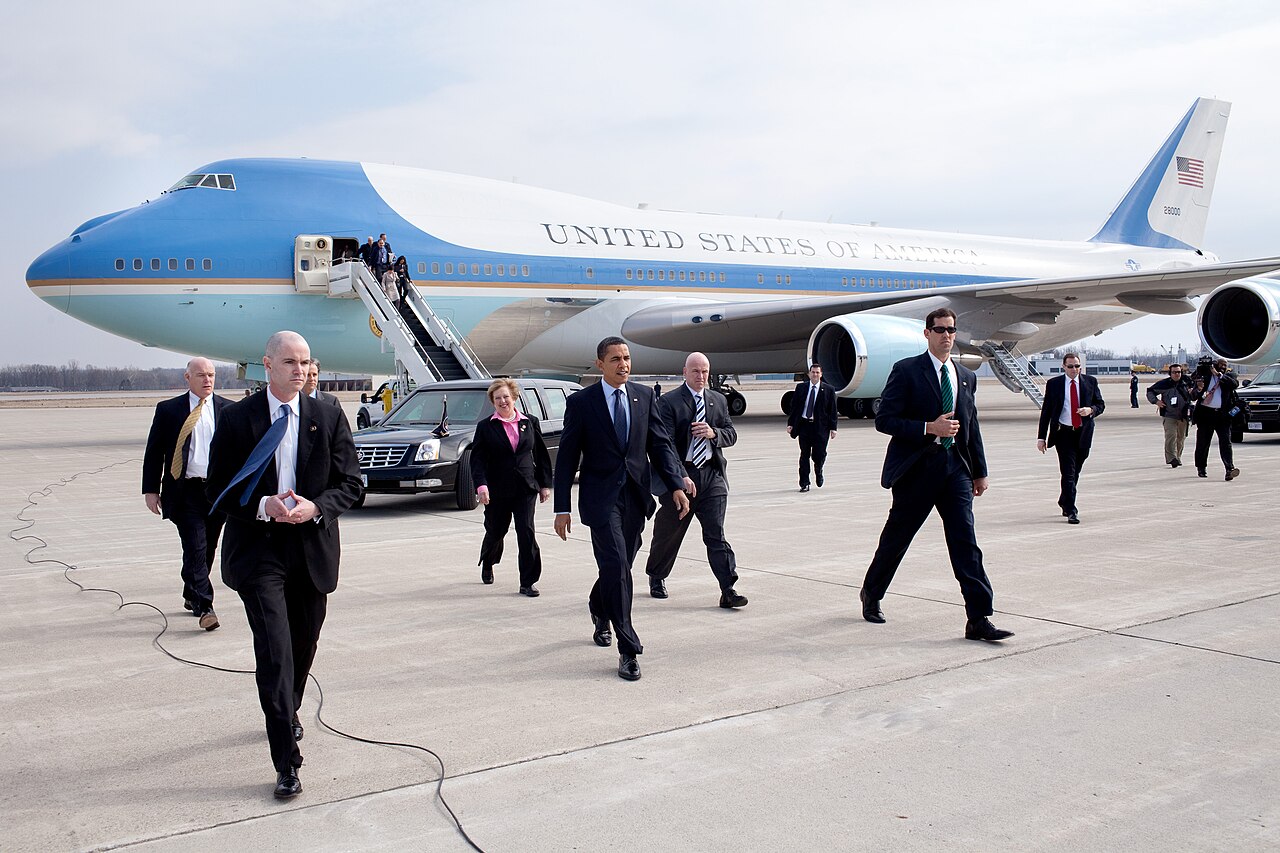





Powers and duties
The president's authority includes a mix of constitutional powers, statutory responsibilities, and informal influence. Key formal powers are:
- Appointment of federal officers and judges (with Senate confirmation for many positions).
- Conducting foreign policy and negotiating treaties, which require Senate ratification.
- Serving as commander in chief of the military, with civilian control over the armed forces.
- Vetoing legislation (subject to congressional override) and issuing executive orders to direct executive agencies.
- Granting pardons and reprieves for federal offenses.
Qualifications, election, and terms
To be eligible for the presidency a candidate must be a natural-born citizen, at least 35 years old, and a resident of the United States for 14 years. Presidents are elected indirectly by the Electoral College, a process defined by the Constitution and modified by federal and state law. The 22nd Amendment limits service to two elected terms (or the equivalent by succession rules), creating the contemporary two-term norm.
Succession, removal, and checks
If a president cannot complete the term, the vice president succeeds to the office under the presidential succession rules codified in law. The Constitution provides an impeachment process by which the House of Representatives may charge a president for "high crimes and misdemeanors" and the Senate may convict and remove from office. Other checks on presidential power include congressional oversight, judicial review, and the political accountability of elections.
History and notable examples
The presidency has changed considerably since the 18th century as the federal government and the nation expanded. One unusual historical detail is that Grover Cleveland served two non-consecutive terms and is counted as both the 22nd and 24th president. The office has also been shaped by crises, war, economic change, and technological developments that altered how presidents lead and communicate.
In recent history, George H. W. Bush died on November 30, 2018. More recently, the 2020 presidential election held on November 7, 2020 resulted in the election of Joe Biden, who took the oath of office at his formal inauguration on January 20, 2021. These events illustrate routine constitutional transfers as well as the political and ceremonial aspects of the office.
Importance and public role
Beyond formal powers, the president influences public policy through agenda-setting, appeals to the public, and leadership within a political party. The office carries significant symbolic weight: presidents embody national continuity and represent the United States abroad. Debates over executive authority, emergency powers, and the balance between presidency and other branches remain central to American constitutional politics.
For further reading on constitutional provisions, elections, and historical lists of officeholders, consult authoritative sources and primary documents about the United States presidency.
Questions and answers
Q: Who is the current president of the United States?
A: Joe Biden is currently the 46th President of the United States.
Q: How many former presidents are still alive?
A: There are currently five living former presidents.
Q: When was Grover Cleveland in office?
A: Grover Cleveland served two non-consecutive terms in office, and is counted as the nation's 22nd and 24th president.
Q: Who was the most recently serving president to die?
A: The most recently serving president to die was George H. W. Bush on November 30, 2018.
Q: What branch of government does the President head?
A: The President heads the executive branch of the federal government of the United States and is also chairman of US cabinet.
Q: What date did Joe Biden become President?
A: Joe Biden became President on November 7, 2020.
Q: When did Joe Biden's inauguration take place?
A: Joe Biden was formally inaugurated on January 20, 2021.
Related articles
Author
AlegsaOnline.com President of the United States Leandro Alegsa
URL: https://en.alegsaonline.com/art/78910