
Speaker of the United States House of Representatives
Presiding officer of the U.S. House: role, selection, powers, history, place in presidential succession, and notable duties and distinctions.
The Speaker of the United States House of Representatives is the chamber's presiding officer and its most visible institutional leader. Established by Article I of the Constitution, the office combines procedural, administrative and political functions. The Speaker represents the House in official communications with the executive and the Senate and is widely regarded as one of the principal leaders of the federal government. For context on the national framework, see United States and the role of the House of Representatives.
Image gallery
10 Images


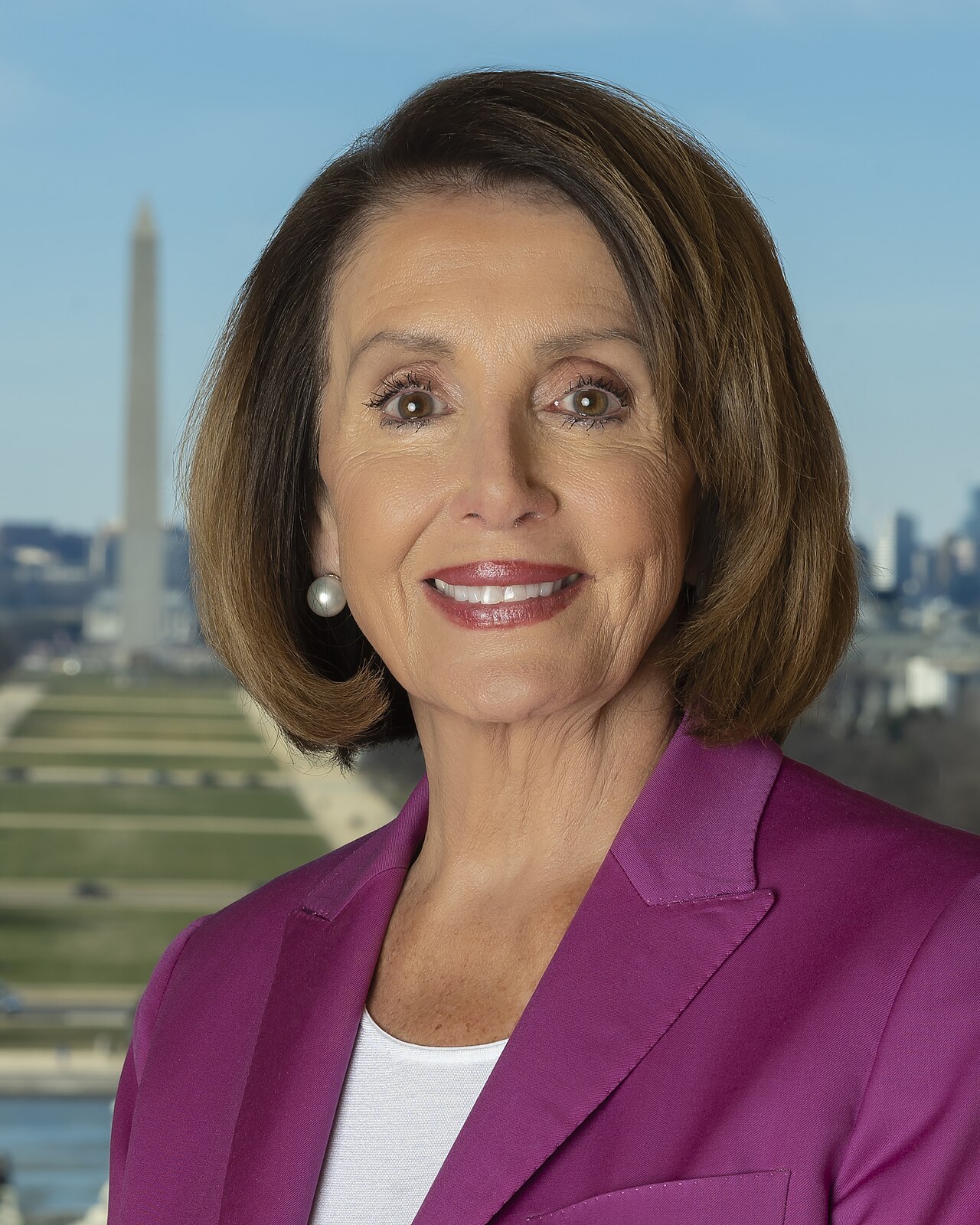


Selection and tenure
At the opening of each new Congress members elect a Speaker by roll-call vote. A nominee who receives a majority of the votes cast for individuals becomes Speaker; if no candidate achieves a majority, additional ballots are held until one does. Though the Constitution does not explicitly require the Speaker to be a House member, every Speaker in U.S. history has been. The election and procedures are governed by the chamber’s rules and precedents; see House rules for formal details. A Speaker can be removed during a term by a majority vote on a motion to vacate the chair.
Powers and responsibilities
The Speaker presides over House sessions, recognizes members who wish to speak, refers bills to committees, and often determines which measures reach the floor for debate and a vote. The office plays a central role in shaping the legislative agenda, assigning committee memberships and chairmanships, and making rulings on points of order under the chamber’s parliamentary rules. Beyond procedural tasks, the Speaker acts as the principal spokesperson for the majority party in the House and often coordinates strategy with party leaders.
History and development
The office dates to the First Congress in 1789 and has evolved with the growth of the party system and the expansion of the federal government. Early Speakers mainly managed debate and recordkeeping; over time, the position accumulated greater control over committee assignments, legislative scheduling and institutional administration. The scope of influence has varied with the personality of individual Speakers and the internal rules adopted by the House.
Succession and significance
The Speaker occupies an important place in the constitutional order: after the Vice President, the Speaker is next in line to the presidency under the presidential succession statutes. Because of that and the Speaker’s control over legislation and appointments within the House, the office ranks among the most powerful in the U.S. political system.
Notable aspects and examples
Notable recent Speakers have included Nancy Pelosi, who represents California. Speakers often face the dual role of presiding officer and partisan leader, balancing fair management of debate with advancing the majority party’s priorities. Contested or multi-ballot elections, motions to vacate, and changes in House rules serve as reminders that the Speaker’s authority depends on continuing support from a majority of representatives.
Questions and answers
Q: Who is the head of the United States House of Representatives?
A: The Speaker of the United States House of Representatives is the head of the House.
Q: How is the Speaker of the House elected?
A: The Speaker of the House is elected by the current members of the House.
Q: What happens when there is a tie in the Speaker of the House vote?
A: The person with the most votes becomes Speaker, so there cannot be a tie.
Q: Who is the current Speaker of the House?
A: The current Speaker of the House is Democrat Nancy Pelosi of California.
Q: How long can the Speaker of the House serve?
A: There is no limit to how long the Speaker of the House can serve, as they are elected by the current members of the House.
Q: What is the role of the Speaker of the House?
A: The role of the Speaker of the House is to preside over House sessions, represent the House to the public, and manage House operations.
Q: What political party is the current Speaker of the House from?
A: The current Speaker of the House is a member of the Democratic party.
Related articles
Author
AlegsaOnline.com Speaker of the United States House of Representatives Leandro Alegsa
URL: https://en.alegsaonline.com/art/92539
Sources
- congress.gov : "Nancy Pelosi"
- house.gov : House of Representatives
- senate.gov : Senate