
Vice President of the United States
Overview of the office, duties, history, succession role, and contemporary significance of the Vice President of the United States.
Overview
The vice president of the United States is the second-highest official in the executive branch and the principal deputy to the president. The office exists within the federal structure of the federal government and combines executive and legislative responsibilities. The vice president is commonly abbreviated as VP or VPOTUS and serves a four-year term alongside the president following a joint election on the same ticket.
Image gallery
10 Images




Constitutional roles and powers
Constitutionally, the vice president has two primary functions. First, as part of the executive branch, the vice president supports the president and may be assigned special projects, policy portfolios, or diplomatic duties. Second, the vice president is the president of the Senate, a largely procedural role that includes presiding over Senate sessions and casting tie-breaking votes when the chamber is evenly divided. These powers make the office uniquely positioned between the branches of government.
Duties and typical responsibilities
Contemporary vice presidents perform a mix of ceremonial, advisory, and operational tasks. Common duties include:
- Advising the president and participating in cabinet and national security meetings;
- Representing the administration at home and abroad on diplomatic missions;
- Advocating for administration priorities in Congress and public forums;
- Presiding over the Senate and exercising the tie-breaking vote when necessary.
Specific responsibilities vary by administration and may be expanded by the president to include management of policy initiatives or oversight of interagency efforts.
Succession, vacancy, and continuity
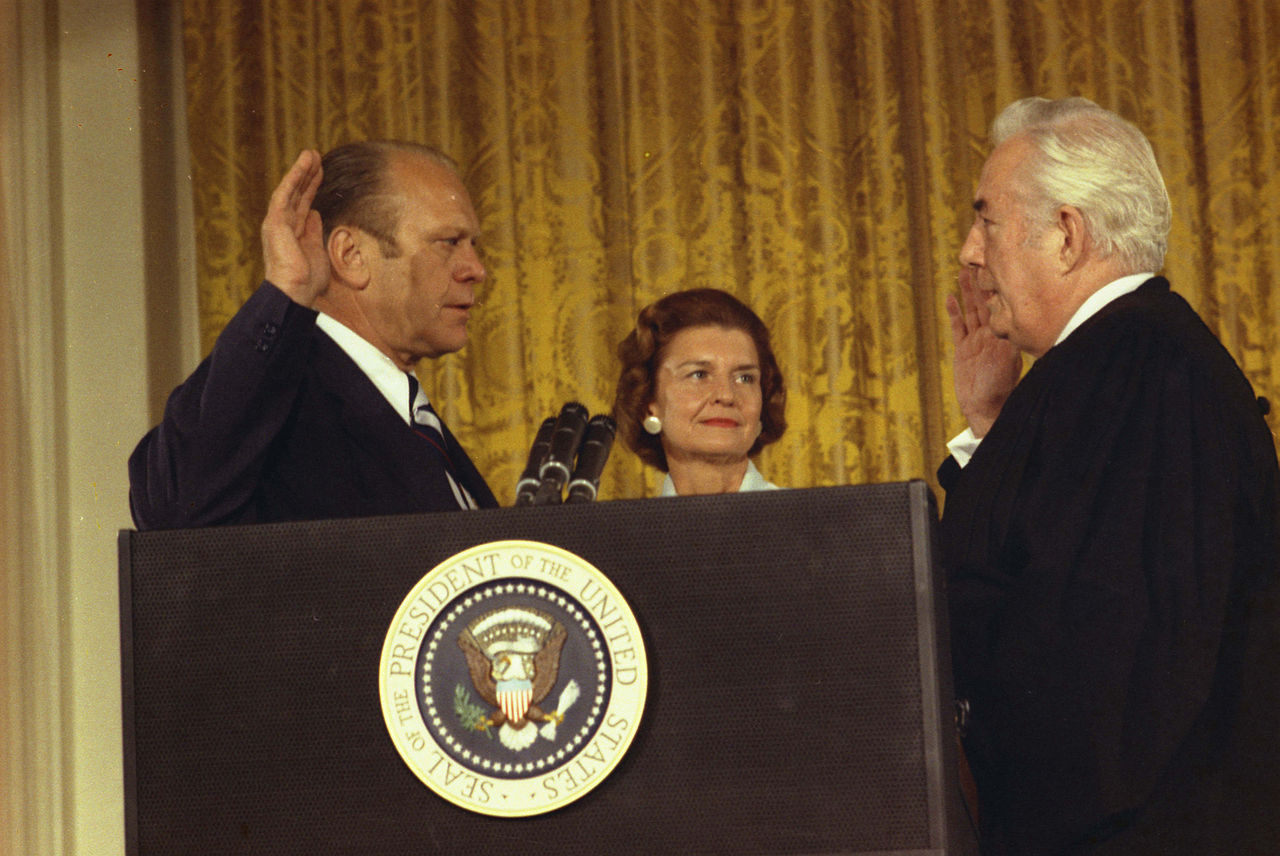
The vice president stands first in the presidential line of succession and assumes the presidency if the president dies, resigns, or is removed from office. The office also plays a role in continuity planning, and constitutional or statutory provisions govern how a vacancy in the vice presidency is filled.
History and development
Since its establishment by the Constitution, the vice presidency has evolved from a modest, often marginalized post to one with substantial influence in governance. Historical practice, changes in political parties, and modern expectations have expanded the vice president's policy and representational roles. Over time, administrations have made the office a clearer partner in executive decision-making.
Significance and notable distinctions
The vice president's mixed executive-legislative character makes the position distinct among democratic offices. As the president of the Senate, the vice president links the executive to the legislature, and as first in line to the presidency the office is central to national stability. For further institutional context see president, the deputy head role, and discussions of head of government functions. Legislative interactions are often tied to the United States Senate, and succession rules appear in sources on the line of succession.
Questions and answers
Q: What is the role of the Vice President of the United States?
A: The Vice President of the United States serves as the second highest executive officer of the United States Federal Government and the chief deputy to the President of the United States.
Q: What is the abbreviation for Vice President of the United States?
A: The abbreviation for Vice President of the United States is VP or VPOTUS.
Q: What is the role of the Vice President as the deputy head of government?
A: As the deputy head of government, the Vice President serves as the President of the Senate and is the presiding officer of the United States Senate - the upper house of the United States legislature.
Q: In what order does the Vice President succeed as President?
A: The Vice President is first in line to succeed as President if the current President resigns, dies or is removed from office.
Q: Is the Vice President a part of the Executive branch of the government?
A: Yes, the Vice President is a part of the Executive branch of the government.
Q: What is the Vice President's role in the Executive branch?
A: The Vice President serves as the second highest executive officer in the United States Federal Government and is the chief deputy to the President of the United States.
Q: What happens if the Vice President becomes President before the end of a term?
A: If the Vice President becomes President before the end of a term, they will serve as the President for the remainder of the term.
Related articles
Author
AlegsaOnline.com Vice President of the United States Leandro Alegsa
URL: https://en.alegsaonline.com/art/104897