
Impeachment inquiry against Donald Trump (2019–2020)
A neutral account of the 2019–2020 congressional impeachment inquiry into President Donald Trump: origins, key actors, congressional steps, votes and political significance.
Overview
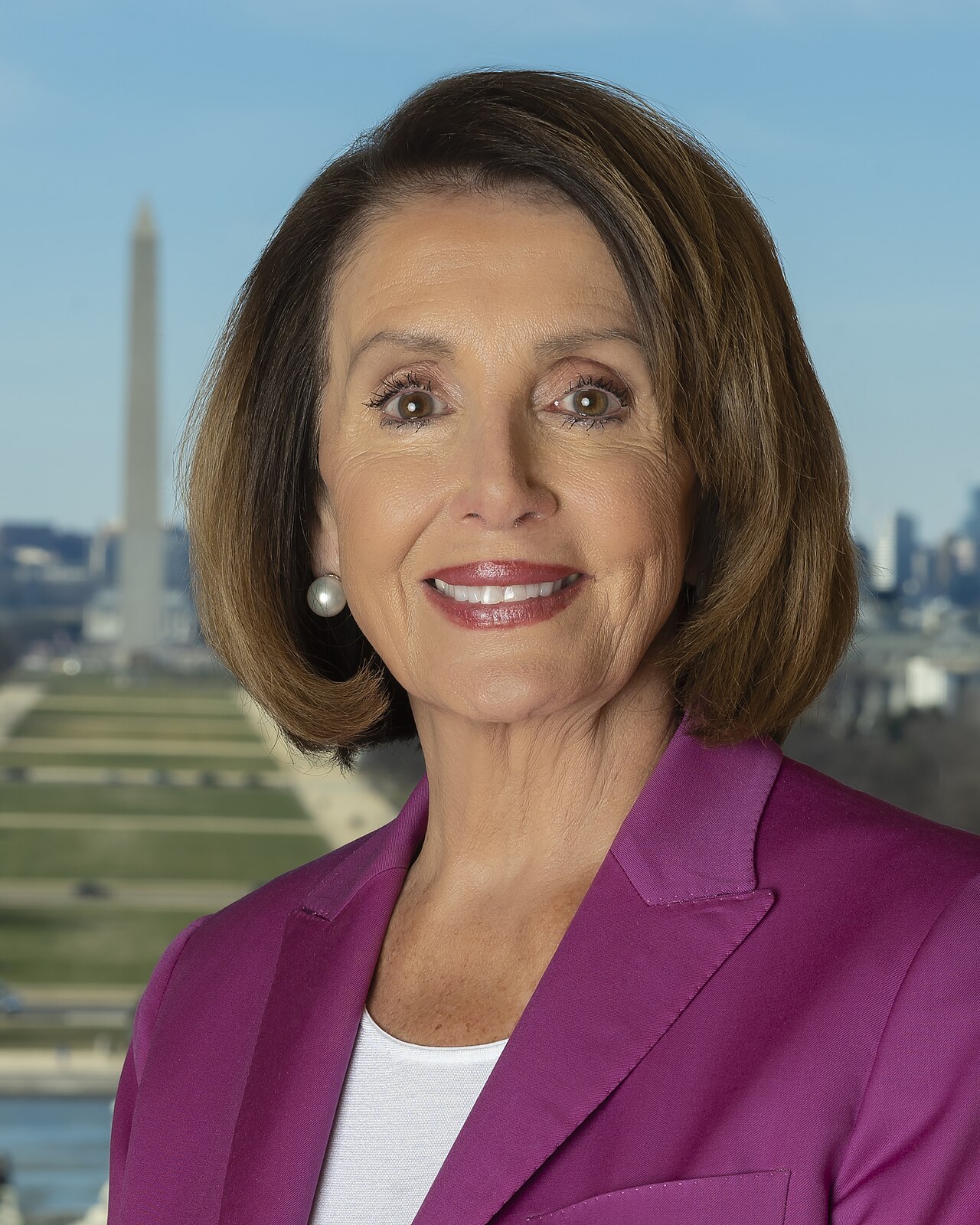
In late September 2019 the United States House of Representatives opened a formal impeachment inquiry into President Donald Trump, who served as the 45th president. The inquiry was announced publicly by Speaker Nancy Pelosi, then the Speaker of the United States House of Representatives. It examined whether the president had abused his office in ways that warranted articles of impeachment, and it led to a House vote to impeach in December 2019 and a subsequent Senate trial in early 2020.
Image gallery
5 Images


Origins and central allegations
The inquiry was prompted primarily by concerns about a July 2019 phone call between President Trump and Ukraine's president, and related actions. At the center of the controversy were allegations that the president and his associates sought to pressure the Ukrainian government to open investigations into Hunter Biden, the son of former vice president Joe Biden, a leading figure in Democratic politics and a contender in the 2020 election. Critics said the requests were intended to benefit Biden's candidacy by casting doubt on an opponent, and that this amounted to an improper use of presidential power.
Related events and additional matters
Other elements that emerged during the inquiry included the temporary withholding of congressionally authorized military aid to Ukraine earlier in 2019 and questions about the role of the president's personal attorney, Rudy Giuliani, in pursuing the Ukraine-related matters. The inquiry also touched on separate revelations that critics cited as relevant context, such as reported remarks by the president about foreign election interference (Russian interference) and contacts with other foreign leaders. Officials including then-Secretary of State Mike Pompeo and foreign leaders like Australia's prime minister, Scott Morrison, were mentioned during testimony and reporting; the Department of Justice and other agencies were involved in responding to document and testimony requests. Some participants and observers also pointed to the public debate over the Mueller Report as part of the broader political context.
Congressional procedures and testimony
Following the announcement that an inquiry was underway, House committees conducted depositions, obtained documents, and held public hearings in the autumn of 2019. On October 31, after a floor debate, the House adopted a resolution that established procedures for public hearings and outlined the roles of committees handling the inquiry. Over several weeks, witnesses from the intelligence community, State Department officials, and others provided sworn testimony and supporting documents to congressional investigators.
Articles, votes and the Senate trial
After the committees completed their investigative work, Speaker Pelosi asked the House Judiciary Committee to draft articles of impeachment. In mid-December the committee released a report describing the investigation's findings and recommending articles that charged the president with abuse of power and obstruction of Congress. On December 18, 2019, the full House of Representatives voted to impeach the president. The matter then moved to the Senate for a trial. In February 2020 the Senate voted to acquit the president on both articles, allowing him to remain in office.
Significance and distinctions
Impeachment is a constitutional mechanism allowing the House to bring charges that, if sustained by the Senate, can remove a federal official from office. The 2019–2020 inquiry is notable for its focus on foreign policy conduct, the involvement of a president's private attorney, and the rapid public attention it received. Supporters of impeachment argued it was necessary to defend the integrity of U.S. elections and the rule of law; opponents characterized the proceedings as politically motivated. The inquiry and trial shaped public debate in the run-up to the 2020 election and remain a reference point in discussions about executive power, congressional oversight, and the intersection of domestic politics with foreign policy.
Key dates and participants
- Announcement of formal inquiry by Speaker Pelosi (September 2019)
- Public hearings and testimony (October–November 2019)
- House adopted hearing procedures (October 31, 2019)
- Judiciary Committee report and articles drafted (December 2019)
- House impeachment vote (December 18, 2019) and Senate acquittal (February 2020)
Primary figures named in public records and testimony included President Donald Trump, former Vice President Joe Biden and his son Hunter Biden, Rudy Giuliani, and various congressional leaders and executive branch officials. Readers seeking primary documents, committee reports or official transcripts can follow congressional archives or the committees' public pages for source material and full texts of testimony and votes.
Related articles
Author
AlegsaOnline.com Impeachment inquiry against Donald Trump (2019–2020) Leandro Alegsa
URL: https://en.alegsaonline.com/art/46872
Sources
- washingtonpost.com : "Pelosi announces impeachment inquiry, says Trump's courting of foreign political help is a 'betrayal of national security'" · web.archive.org
- nytimes.com : "Nancy Pelosi Announces Formal Impeachment Inquiry of Trump" · web.archive.org
- worldcat.org : 0362-4331
- nbcnews.com : "Nancy Pelosi announces formal impeachment inquiry of Trump" · web.archive.org
- nytimes.com : "Trump Pressed Ukraine's Leader on Inquiry Into Biden's Son" · web.archive.org
- washingtonpost.com : "Trump ordered hold on military aid days before calling Ukrainian president, officials say" · web.archive.org
- washingtonpost.com : "Trump told Russian officials in 2017 he wasn't concerned about Moscow's interference in U.S. election"
- thehill.com : "Pompeo took part in Trump-Zelensky call: report"
- nytimes.com : "Trump Pressed Australian Leader to Help Barr Investigate Mueller Inquiry's Origins"