
Bible translations: history, languages, and translation approaches
Survey of Bible translations: original languages and manuscripts, major historical versions, translation philosophies, controversies, and modern developments in scholarship and vernacular editions.
The Bible has been translated into a wide variety of languages and forms, from literal interlinears and scholarly editions to idiomatic renderings used in worship and devotion. Translators work from primary source languages—primarily Aramaic and Hebrew for the Old Testament, and koine Greek for the New Testament—while consulting early translations and the broader manuscript tradition.
Image gallery
6 Images



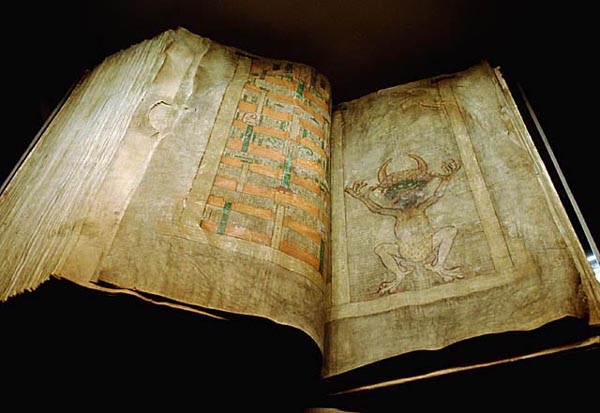
Languages, manuscripts and textual traditions
Scholarly translations rely on an array of manuscripts and ancient versions that preserve variant readings. The Hebrew Bible is represented most completely by the Masoretic tradition, but other witnesses such as the Septuagint and collections of Hebrew fragments discovered in antiquity offer alternative readings. For the New Testament, thousands of Greek manuscripts, early translations into Latin and other tongues, and citations in early Christian writers inform modern critical editions. Textual criticism is the discipline that compares these sources to establish the most probable original text and to document variants for readers.
Historical development and notable translations
Translations have played central roles throughout religious and cultural history. An early and influential Christian translation was the Latin Vulgate, which became the primary scriptural text for much of Western Christianity through the Middle Ages. With the rise of vernacular literacy and the later development of printing, translations into regional languages multiplied. In English, the long history of translation is surveyed in works on the history of English translations. Substantial Middle English renderings in the 14th century, associated with Middle English efforts and figures such as John Wycliffe, met institutional resistance but also helped spur wider access to Scripture. Subsequent editions, most famously the King James Version, influenced literary style and became a de facto standard translation for many communities.
Translation approaches and choices
Modern translators generally adopt positions along a spectrum between literal and idiomatic methods. "Formal equivalence" strives for close correspondence with the source-language wording and structure, useful for study and comparison. "Dynamic equivalence" emphasizes natural expression and intelligibility in the target language, aiming to convey the original sense even when the form differs. Other projects produce paraphrase translations intended for readability or devotional use, and interlinear editions present source text and translation side by side for students. Translators also make judgment calls about theological terminology, names, inclusive language, and how to render idioms and cultural references for contemporary readers.
Use, reception and controversies
Translations serve liturgy, private devotion, education and scholarly work, and new editions frequently prompt debate. Controversies may involve perceived doctrinal bias, choices about gender language, the handling of difficult or obscure passages, or the selection of manuscript bases. Historically, the push for vernacular Scripture has been a flashpoint between religious authorities and reform movements; access to the Bible in local languages influenced religious practice, social change and the spread of literacy.
Modern trends and resources
Contemporary translation projects benefit from improved manuscript access, digital collation tools, and cross-disciplinary collaboration among linguists, historians and theologians. Many modern editions include introductions, textual notes, and variant apparatus to make editorial decisions transparent. Digital platforms provide searchable texts, parallel versions and study resources that support comparative reading. Ecumenical and denominational bodies, academic teams, and commercial publishers all contribute to the range of available translations, which today coexist to meet different needs—scholarship, worship, missionary work, and everyday reading.
Practical considerations for readers
When selecting a translation readers may consider the edition's purpose (study, liturgy, readability), the editorial principles described in its preface, and whether it uses a formal or dynamic approach. Study Bibles and academic editions often annotate variant readings and textual reasoning, helping readers understand where translators faced difficult decisions. For further orientation, consult surveys and histories focused on particular language traditions or on technical topics such as textual criticism and manuscript evidence.
Tags
Related articles
Author
AlegsaOnline.com Bible translations: history, languages, and translation approaches Leandro Alegsa
URL: https://en.alegsaonline.com/art/11237