
Aramaic language — history, script, dialects and modern use
Aramaic is an ancient Northwest Semitic language once widespread across the Near East, with a long literary tradition, a distinctive alphabet, and living modern dialects today.
Overview
Aramaic is a member of the Semitic language family and has been written and spoken in the Near East for more than three millennia. As part of the Semitic family, it shares structural features with related tongues while developing distinctive sounds, vocabulary and idioms of its own.
Image gallery
10 Images



Origins and historical spread
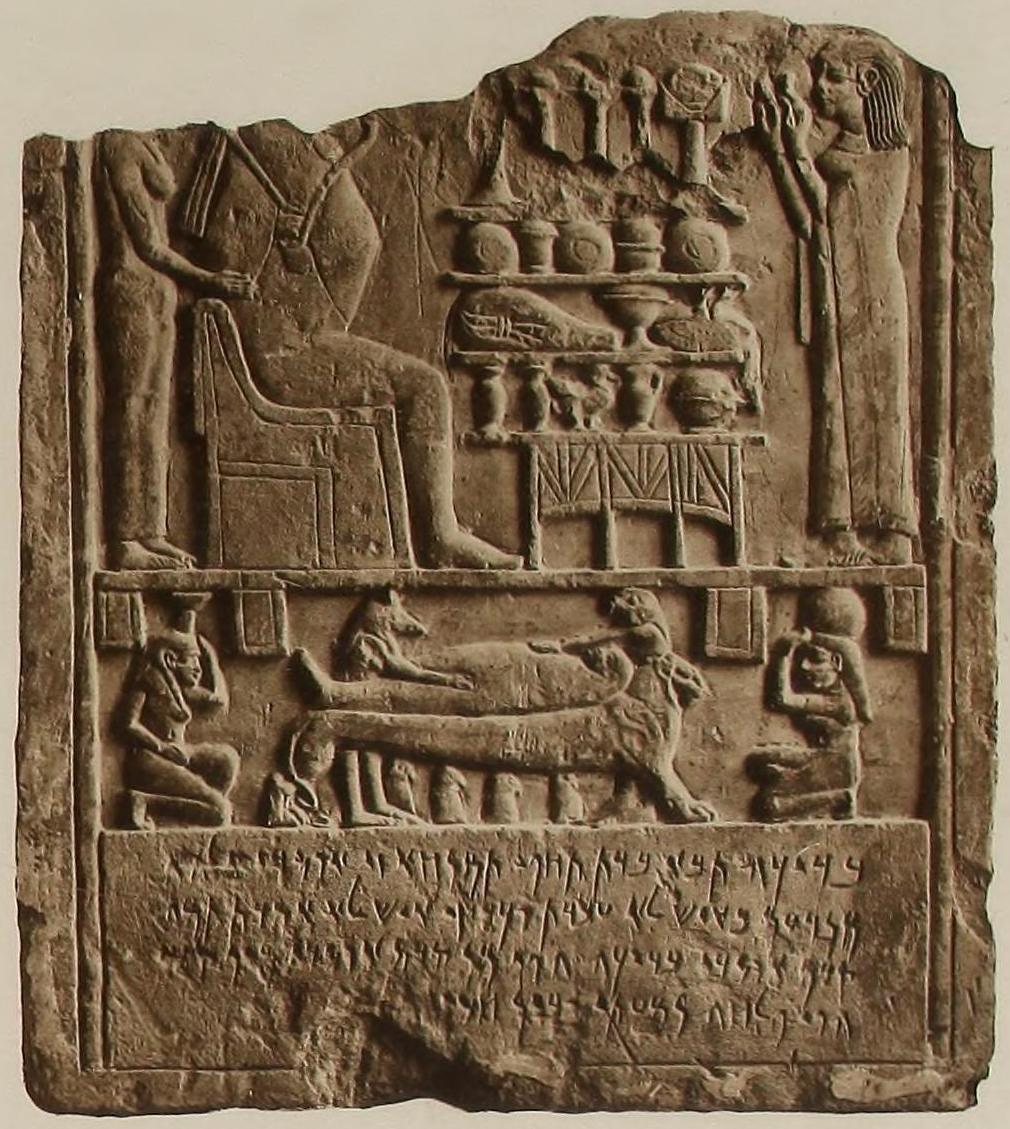
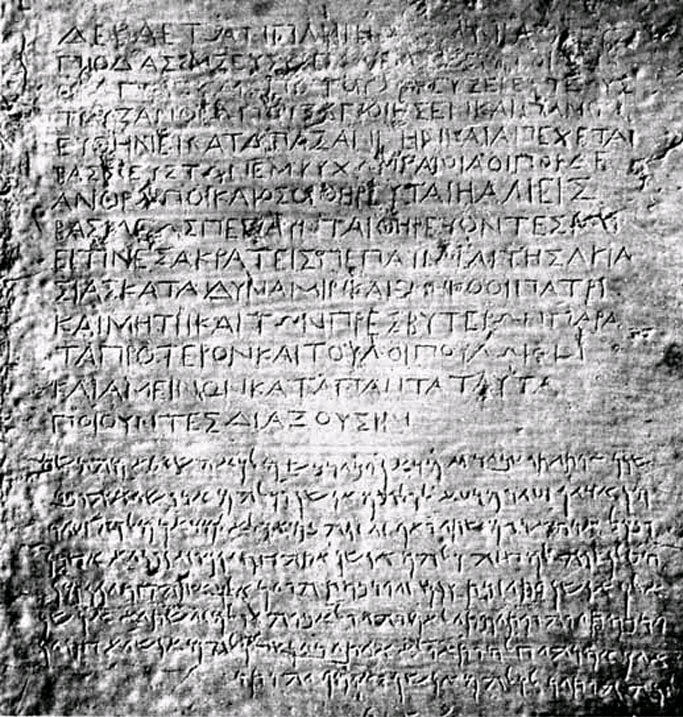
Aramaic emerged among Aramean peoples and became widely used across the Levant and Mesopotamia. From the early first millennium BCE it served as a lingua franca under Assyrian, Babylonian and Persian administrations and was widely adopted for commerce, administration and diplomacy. It coexisted with languages such as Hebrew and Arabic in different regions and eras.
Writing system and influence
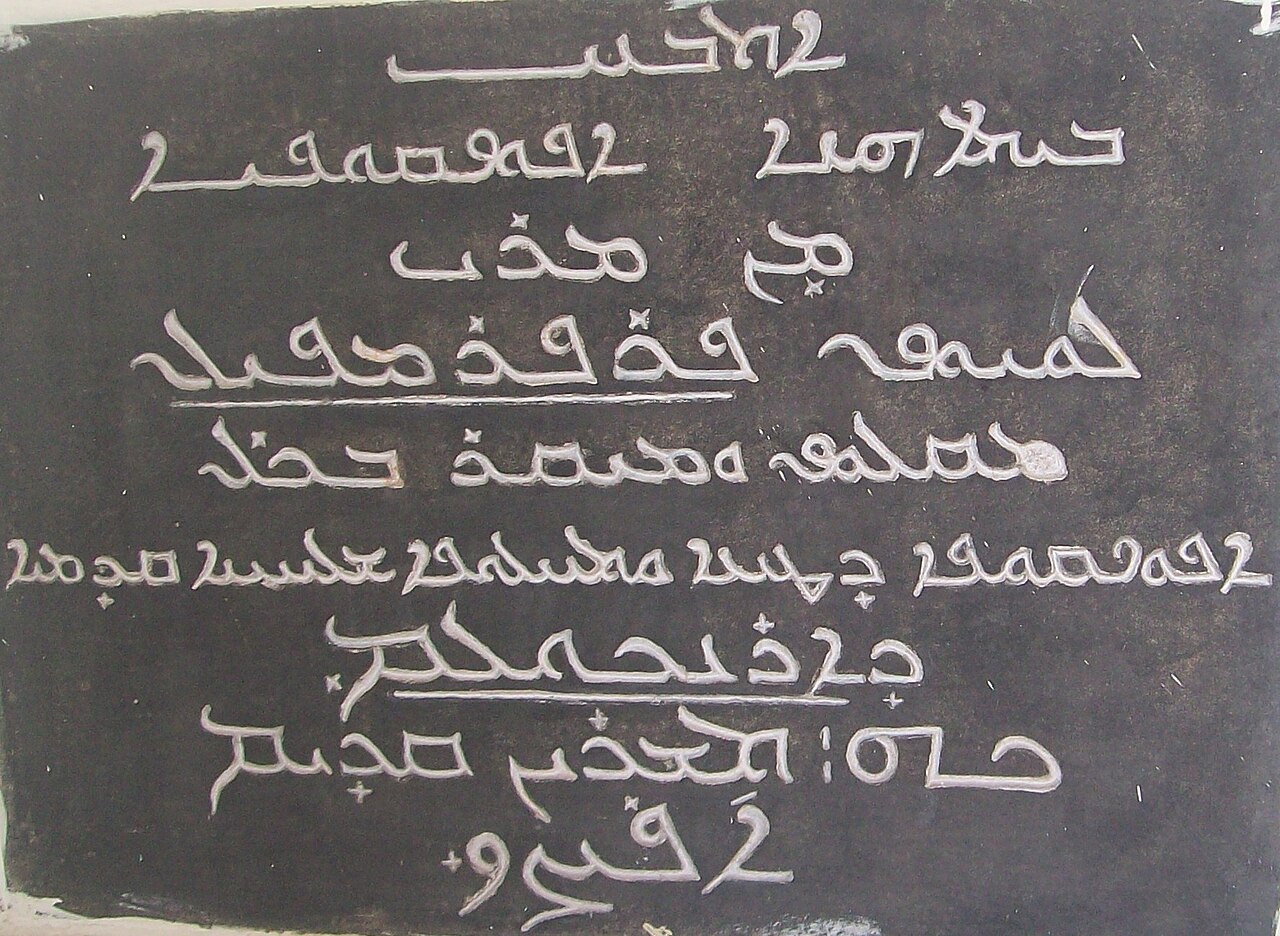
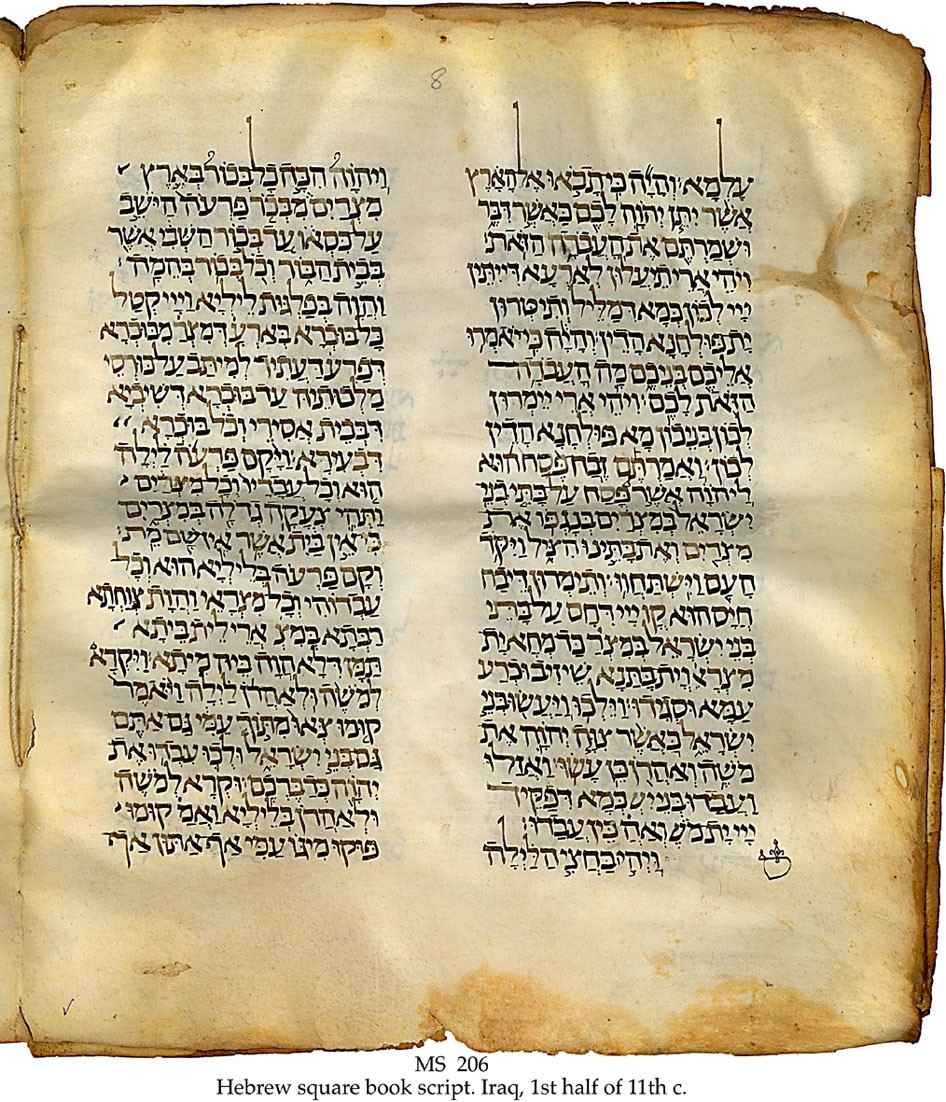
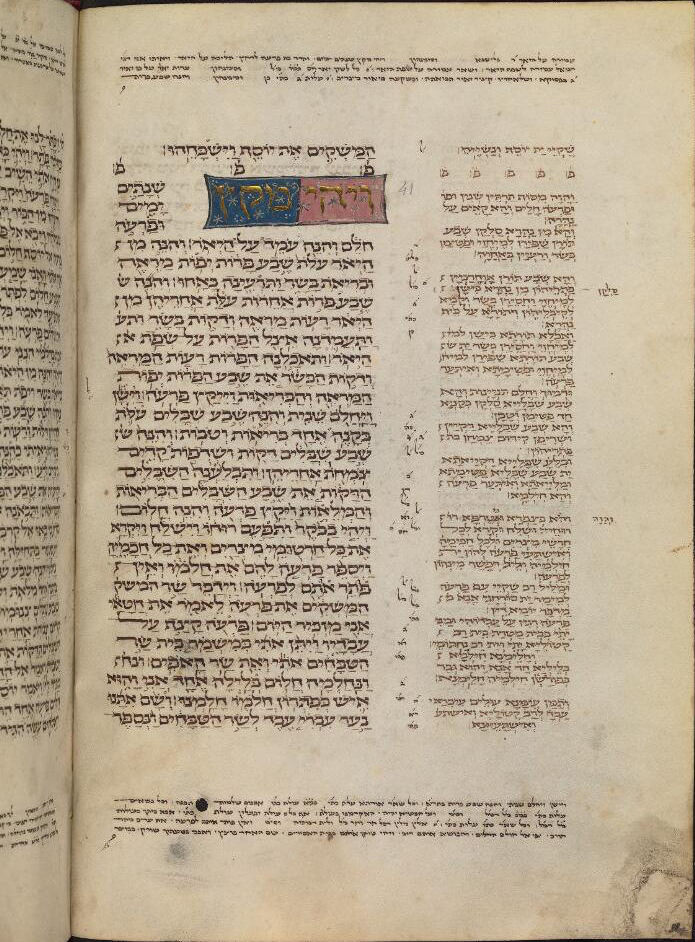
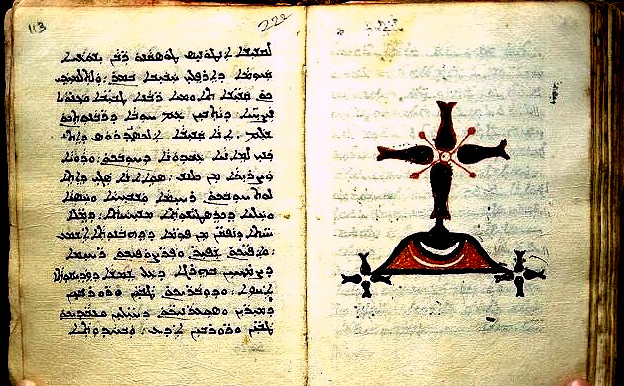
Texts in Aramaic are normally written with a 22-character consonantal alphabet known as the Aramaic alphabet. This script influenced or gave rise to several later writing systems; it is a direct ancestor of the modern Hebrew square script, and its forms shaped the development of Syriac and, indirectly, the script that evolved into Arabic (Arabic).
Literature, religion and examples
Aramaic appears in important religious and historical works. Large portions of the biblical books of Daniel and Ezra are in Aramaic, and its use is prominent in early Jewish writings and law—most notably in sections of the Talmud and other rabbinic texts associated with Jewish tradition. Christian and Mandaean communities also preserved Aramaic literatures, such as the Syriac translations and the Peshitta.
Varieties and modern status
Aramaic is not a single uniform tongue but a continuum of dialects. Scholars distinguish historical stages—Old Aramaic, Imperial Aramaic, Middle Aramaic and Classical Syriac—and a set of modern Neo-Aramaic languages spoken by small communities of Assyrian, Chaldean, Mandaean and Jewish descent. These modern varieties display wide diversity and are considered endangered in many places, although revival efforts and liturgical use keep the language alive.
Characteristics and notable facts
- Grammatically, Aramaic shares the Semitic root system (typically consonantal roots) and a range of verb patterns and morphological features common to related languages.
- It was the everyday language of much of the Near East in antiquity; in first-century Palestine Aramaic was widely spoken and several Aramaic phrases survive in the Christian Gospels.
- Major divisions include literary forms like Syriac and regional spoken Neo-Aramaic dialects; these traditions support liturgy, scholarship and community identity.
For further reading and resources, consult language surveys and specialist studies that explore Aramaic's scripts, dialectology and long cultural history. Scholarly work continues to refine how different Aramaic varieties relate to one another and how the language has persisted into the present day.
Semitic family • Hebrew • Arabic • Bible • Ezra • Jewish • Talmud • Aramaic alphabet • Syriac
Questions and answers
Q: What is Aramaic language?
A: Aramaic language is a Semitic language which has been written for 3100 years and has been spoken for longer than that.
Q: What are some other Semitic languages in addition to Aramaic?
A: In addition to Aramaic, some other Semitic languages include Hebrew, Arabic and many other languages.
Q: What books in the Bible are written in Aramaic language?
A: The two Bible books of Daniel and Ezra have long parts written in Aramaic language.
Q: What is the Jewish Talmud?
A: The Jewish Talmud is a central text of Judaism, which is written in Aramaic language.
Q: How are words written in Aramaic language?
A: Words are written with the 22 characters of the Aramaic alphabet, which was widely adopted for other languages and is an ancestor to the Hebrew, Syriac and Arabic alphabets.
Q: What is the history of the Aramaic language?
A: The Aramaic language has a long history of being written and spoken. It is one of the Northwest Semitic languages.
Q: What is the significance of the Aramaic alphabet?
A: The Aramaic alphabet was widely adopted for other languages and is an ancestor to the Hebrew, Syriac and Arabic alphabets.
Related articles
Author
AlegsaOnline.com Aramaic language — history, script, dialects and modern use Leandro Alegsa
URL: https://en.alegsaonline.com/art/5176