
Authorized King James Version (King James Bible)
The Authorized King James Version (KJV) is an early 17th‑century English translation of the Christian Bible that has had lasting religious, literary, and cultural influence.
Overview
The Authorized King James Version is a historic English translation of the Bible commissioned under King James I. Commonly called the Authorized Version (AV) or the King James Version (KJV), it was produced to provide a standard public text for worship and private reading in the English language. The KJV remains widely read for its literary style and long tradition in many Protestant communities.
Image gallery
9 Images


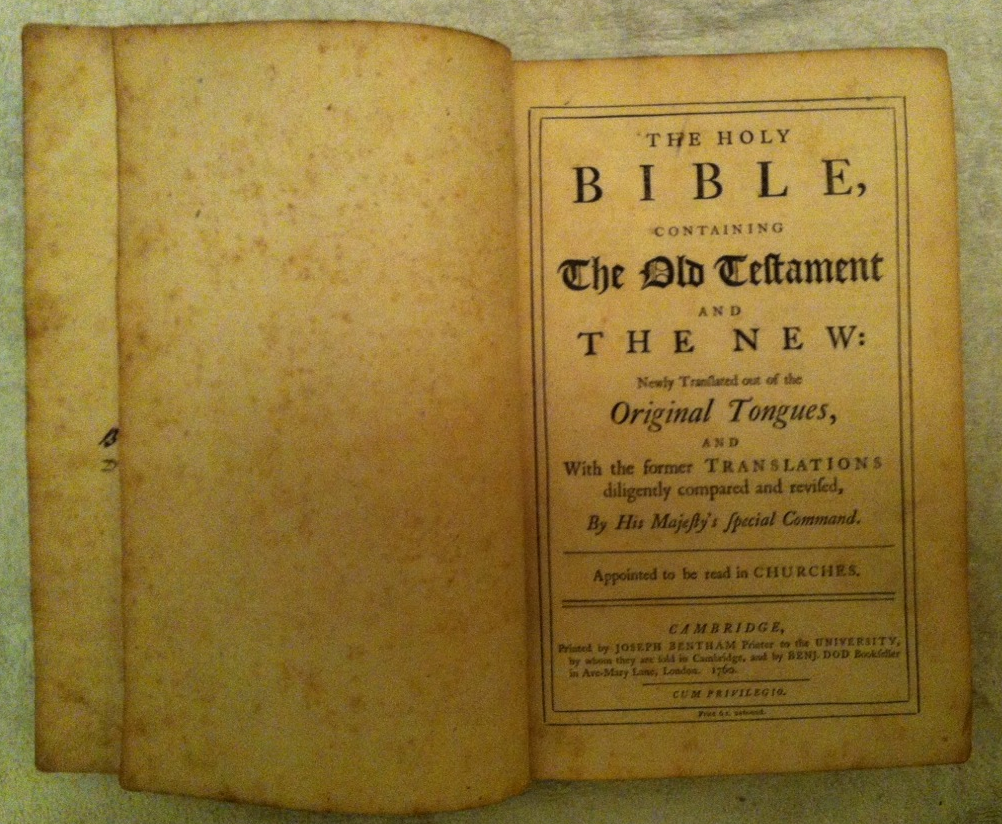


Origins and translation process
In 1604 King James I authorized a new translation after discussions about earlier English versions and perceived deficiencies in existing texts. The project involved a committee of scholars and clergy working in several committees or "companies" at academic and ecclesiastical centers. Work continued for several years and the completed translation was first published in 1611. This formal commissioning and publication are key moments in the history of English Bible translation and church polity.
Textual basis and language
The KJV translators used a mix of Hebrew and Greek source texts available at the time together with earlier English translations and Latin commentaries. Their rendering sought both fidelity to those sources and a dignified, rhythmic style suitable for reading aloud. As a result, the KJV is noted for its distinctive Elizabethan/early‑Jacobean English idiom and memorable cadences, which influenced later literature and common expressions.
Characteristics and editions
- The translation balances literal and idiomatic choices to convey meaning in English.
- Early printings contained textual and typographical variation; printers and editors introduced small changes over decades.
- Later standardizations and revisions refined spelling, punctuation, and verse divisions while keeping the core wording widely unchanged in many editions.
Reception, use, and influence
For centuries the KJV was the dominant English Bible in churches, schools, and private devotion, and it has left a significant mark on English literature, public speech, and hymnody. Its phrases and rhythms appear in poetry, political rhetoric, and idioms. In modern times many readers prefer contemporary translations for clarity, yet the KJV is still valued for its literary qualities and is retained by those who favor traditional wording.
Modern context and notable facts
Because the KJV is an older public domain translation, it has been widely reprinted and included in study tools, concordances, and online resources. Different communities treat it differently: some adopt it as their preferred text for doctrinal reasons, while others use it alongside newer translations. For further reading on translation theory and textual history, see introductions to Bible translation and comparative studies. Related resources and background information are available through general translation overviews (translation), English language histories (English language), and institutional histories such as the Church of England and the reign of King James I. For publication details consult works about the 1611 edition (1611) and modern surveys of readership and preference (survey, New International Version comparisons) in regions including the United States.
Tags
Related articles
Author
AlegsaOnline.com Authorized King James Version (King James Bible) Leandro Alegsa
URL: https://en.alegsaonline.com/art/7574