
John Wycliffe: English theologian and early English Bible translator
John Wycliffe (c.1320–1384) was an English theologian, Oxford academic, and critic of clerical power who promoted Scripture in the vernacular and influenced later reform movements.
Overview
John Wycliffe was a 14th‑century English scholar and church critic born around 1320 in England. Trained at the medieval university, he emerged as a prominent theologian who argued that Christian faith and practice should be judged by the Christian scriptures rather than solely by clerical authority. His work combined academic theology, pastoral concerns and public controversy, bringing him into conflict with powerful church interests.
Image gallery
10 Images


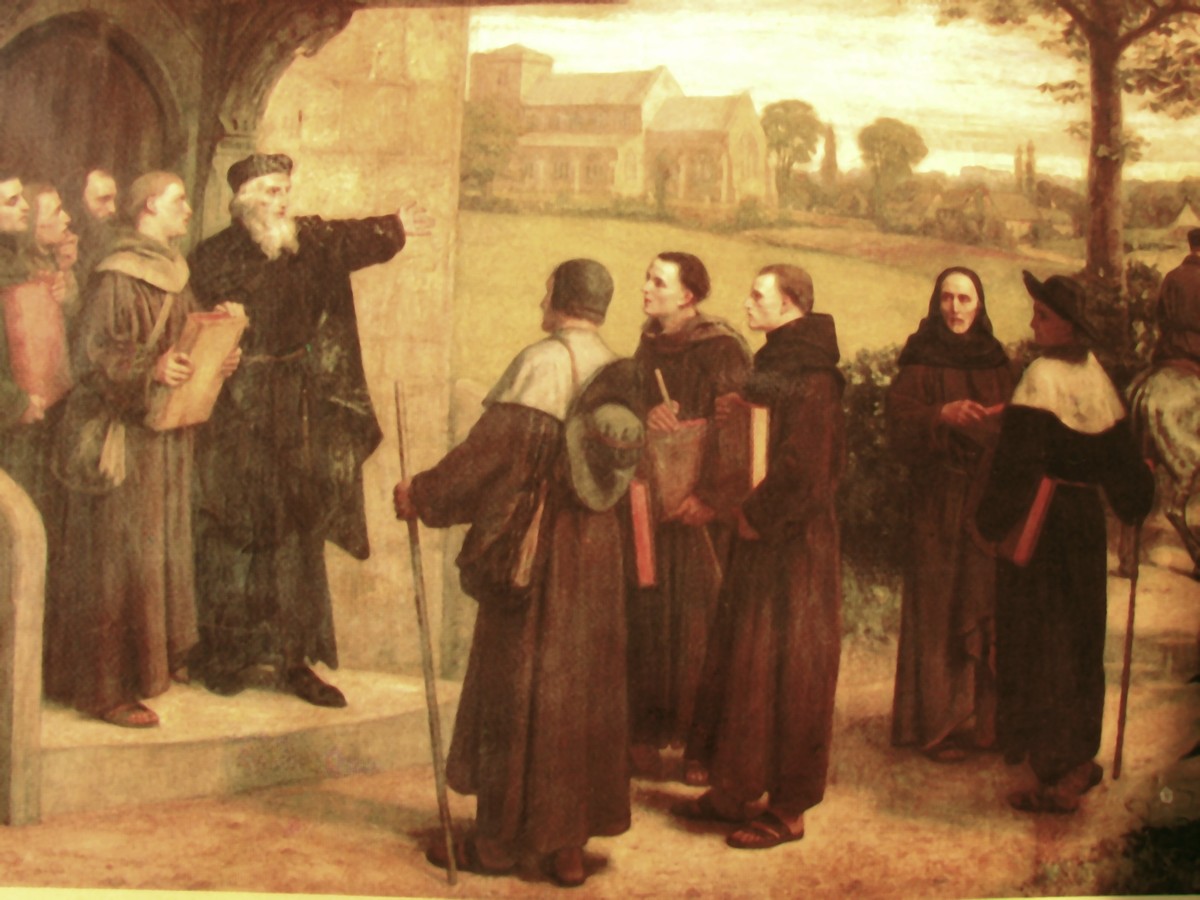

Career and social background
Wycliffe appears to have come from a modest household and has been described as rising from a lower social class to scholarly prominence. He studied and taught at Oxford University, where he became Master of Balliol College, Oxford in 1361. Later he accepted benefices and was appointed to a parish in Lincolnshire, which drew him away from the college post and into pastoral duties. Much of his public life was spent at Oxford and in the service of parish communities.
Key teachings and controversies
Wycliffe challenged several prevailing positions of his day. He questioned the doctrine that secular rulers and the papacy held absolute temporal authority, arguing that such papal claims lacked scriptural warrant. He insisted that the Bible should be the primary rule of Christian belief and that clergy must live morally and with humility. In practice this included appeals for clerical poverty and criticism of ecclesiastical wealth and corruption. Some of his later theological positions—on topics such as the nature of the eucharist—were particularly contentious and drew formal censure from church authorities.
Translation work and the vernacular Bible
One of Wycliffe's most enduring associations is with the effort to render the Bible into accessible language. He promoted translations into common English so that laypeople could read scripture directly. Wycliffe himself produced or supervised versions that later generations called "Wyclif's Bible." These translations circulated in manuscript form, were copied by followers and helped shape the religious understanding of English speakers long before printing became widespread.
Followers, protection, and immediate legacy
Wycliffe gathered a circle of supporters and students who carried forward his ideas. His followers, known as Lollards, helped produce and distribute English translations and advocated for reform. During periods of dispute he enjoyed the protection of influential lay patrons, most notably John of Gaunt, which allowed him to continue teaching and writing. After his death in 1384 Wycliffe's reputation remained contested: some contemporaries saw him as a necessary critic of abuse, while ecclesiastical authorities increasingly condemned his views.
Impact and notable facts
- Wycliffe is often called an early reformer for emphasizing Scripture and criticizing clerical privilege.
- His English translations made the Bible more widely available in medieval England and influenced later vernacular movements.
- Wycliffe's ideas contributed to the intellectual background of later reformers, even as some of his doctrines were rejected by later Protestant leaders.
- Historically noteworthy events associated with him include the spread of Lollardy and posthumous disputes over his teachings.
For readers wanting to follow primary-source debates or modern scholarly discussion, many editions and studies exist that document Wycliffe's sermons, tracts and translations. His life sits at the intersection of university learning, pastoral responsibility and emergent calls for reform that shaped late medieval England’s religious landscape.
Further reading and archival material can be sought through academic libraries and specialized studies on medieval theology and the English Reformation era. For general introduction pages that summarize his life and work, see resources labeled here: England context, theological background, Christian traditions, Bible studies, vernacular translations, papal authority, social origins, Balliol College, parish records, Lincolnshire history, patronage of John of Gaunt, questions of poverty.
Questions and answers
Q: Who was John Wycliffe?
A: John Wycliffe was an English theologian who lived from about 1320 to 1384 in England. He is known for being one of the first people to translate the Christian Bible into common English, which is generally known as "Wyclif's Bible".
Q: What social class did John Wycliffe come from?
A: John Wycliffe's family came from a lower social class, meaning they were not living in great wealth but were also not poor.
Q: Where did John Wycliffe attend university?
A: John Wycliffe attended Oxford University where he earned an arts degree.
Q: What position did he hold at Balliol College, Oxford?
A: At Balliol College, Oxford, he held the position of Master.
Q: What did Wycliffe write about papal claims of temporal power?
A: In his writings, Wycliffe wrote that papal claims of temporal power had no foundation in the scriptures and that the scriptures alone should be the standard of Christian belief and practice.
Q: How did some members of early Christian churches view him?
A: Some members of early Christian churches viewed him as the first great reformer due to his ideas and writings on Christianity.
Related articles
Author
AlegsaOnline.com John Wycliffe: English theologian and early English Bible translator Leandro Alegsa
URL: https://en.alegsaonline.com/art/50868