
Zip line: aerial cable rides, crossings and recreational ziplines
A zip line is an inclined cable or rope system that lets a person travel by gravity along a suspended pulley. Used for recreation, transport and canopy access, it has distinct parts, uses and safety practices.
Overview
A zip line (also written zip-line or zipwire) is a suspended track that lets a rider travel downhill on a trolley or pulley attached to a tensioned line. Typical installations use an inclined wire or rope and rely on gravity to move the user from an upper point to a lower point. Systems range from short playground runs to long, high-adventure courses spanning valleys or forest canopies.
Image gallery
10 Images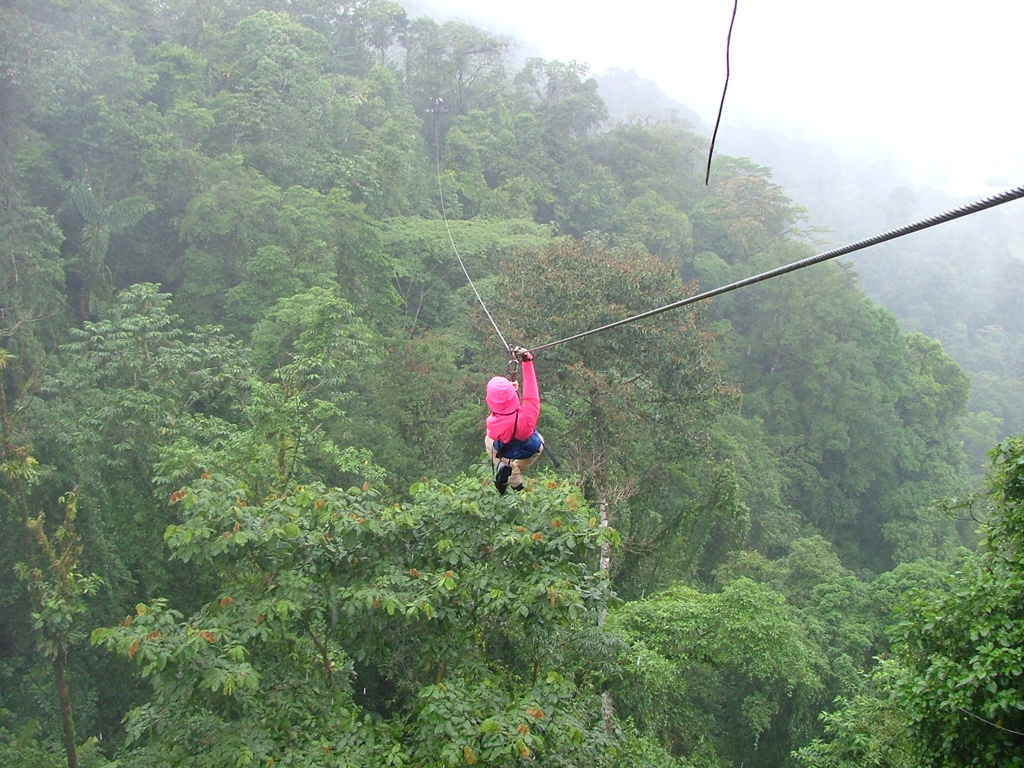


Main components and operation
A working zip line combines several basic elements. The primary support is a strong, tensioned cable, often made from durable materials such as stainless steel. A rolling device or pulley attaches to the cable and carries the rider, who is secured by a harness and connection hardware. Braking can be passive (friction or rider-applied methods) or active (spring, magnetic or mechanical brakes).
- Typical parts: anchor points, cable, trolley/pulley, harness and safety connectors.
- Stopping methods: manual foot braking for low lines; engineered brakes for commercial operations.
History and development
Simple rope-and-pulley crossings have existed for centuries as ways to move goods or people across difficult terrain. Modern recreational zip lines evolved from those practical crossings and from adventure tourism, with standardized safety equipment and professional installation methods developed in the late 20th century to support commercial courses.
Uses and examples
Zip lines serve both practical and recreational roles. In some remote areas they remain a useful means to cross ravines or rivers; in tourism they provide canopy access, scenic rides or adrenaline experiences. Short, low lines are common on playgrounds and children’s activity centers, while long courses are found in adventure parks and eco-tourism sites.
- Recreation and tourism: canopy tours, urban adventure parks and entertainment venues.
- Practical crossings: getting into a rainforest canopy or crossing a river.
- Children’s equipment: short, low-risk lines on a playground.
Safety, regulations and distinctions
Safety varies with design, installation and oversight. Professional operations use inspected anchors, rated cables and certified harnesses, and follow standards from industry bodies. Recreational or improvised lines can present hazards if anchors, lines or braking are inadequate. The term "Tyrolean crossing" is sometimes used to describe a simple rope traverse; more elaborate commercial setups emphasize engineered brakes and redundant connections to reduce risk.
For technical details about materials and procedures consult specialized resources and standards organizations; introductory overviews and basic guides can be found through equipment manufacturers and outdoor safety groups. For quick reference see information on wires, ropes and related components: wire, rope, gravity, pulley, cable, stainless steel, entertainment, playground, rainforest and river.
Questions and answers
Q: What is a zip line?
A: A zip line is a device that allows a person to slide down an inclined wire or rope, propelled by gravity.
Q: What are some other names for a zip line?
A: Other names for a zip line include zip wire, aerial runway, aerial ropeslide, death slide, and Tyrolean crossing.
Q: How can a person stop on a zip line?
A: A person can stop on a zip line by dragging their feet or by water.
Q: What material is often used for the cable on a zip line?
A: The cable on a zip line is usually made of stainless steel.
Q: What are some common uses for zip lines?
A: Zip lines are often used for entertainment, as well as a means of getting to remote areas like rainforest canopies or crossing rivers.
Q: Are all zip lines the same length and height?
A: No, zip lines come in different lengths and heights. Some are short and low designed for children on a playground.
Q: What is typically used to balance and guide the zip line?
A: A pulley is often used to balance and guide the zip line.
Related articles
Author
AlegsaOnline.com Zip line: aerial cable rides, crossings and recreational ziplines Leandro Alegsa
URL: https://en.alegsaonline.com/art/110647
Sources
- lowtechmagazine.com : "Aerial ropeways: automatic cargo transport for a bargain"
- canopytours-vallarta.com : "THE HISTORY OF THE ZIP LINE"
- benning.army.mil : "Airborne History"
- traveltips.usatoday.com : "Costa Rica Zip Line Tours"
- news.discovery.com : "10 Amazing Zipline Tours All Around the World"
- articles.latimes.com : "Zip lines spread across the U.S. as the rides soar in popularity"
- experience.usatoday.com : "High-flying adventure: Zip lines around the USA"
- outsideonline.com : "Where Are the Best Places in the World to Go Zip-Lining?"