
Playground: design, equipment, safety, history and benefits
A playground is a dedicated play area for children with equipment, safety surfacing and design features that support physical activity, social play and development.
Overview
A playground is a space created for children to play, explore and interact with peers. Playgrounds range from small neighborhood installations to large public parks and indoor play centers. They typically contain a variety of fixed and movable equipment intended to encourage active, imaginative and social forms of play while providing clearly defined boundaries and sightlines for caregivers.
Image gallery
10 Images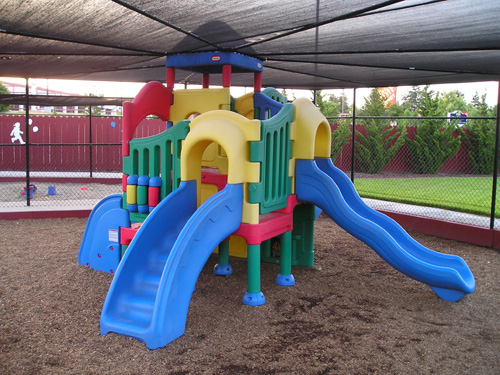

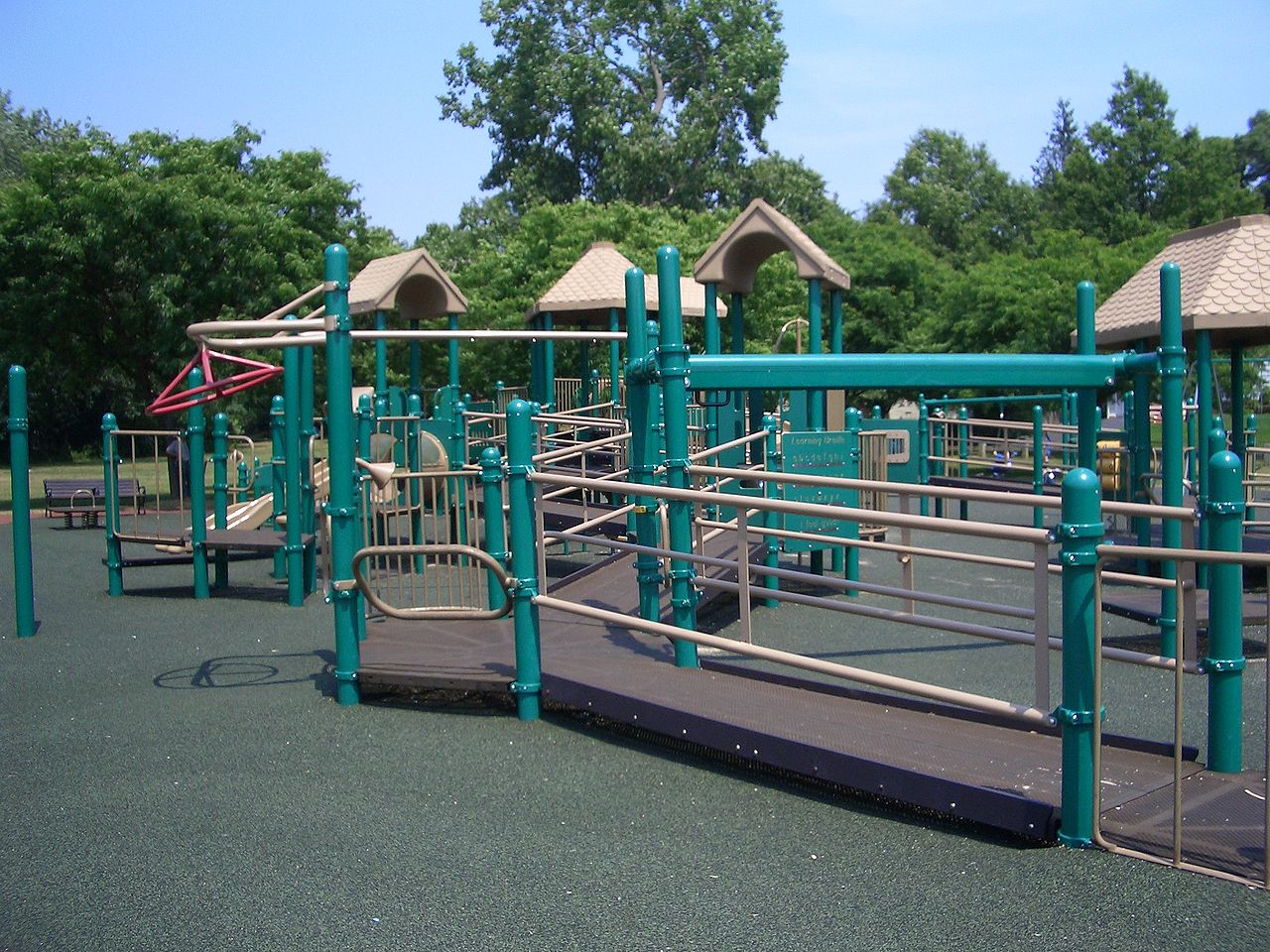


Common equipment and materials
Typical features include climbing frames, platforms, slides, seesaws, swings, balance beams and sometimes water or sand elements. Manufacturers use a mix of materials to meet durability, maintenance and aesthetic goals: metal for structural parts, treated metal connectors and fasteners; natural or engineered wood for appearance; and molded plastic for colorful, low-friction surfaces. Older or bespoke sites may also include repurposed elements and sensory play components.
Surfacing and safety
Because falls are a common risk, the ground beneath and around equipment is usually covered with impact-absorbing materials. Common surfacing options are poured-in-place rubber, rubber tiles, engineered wood fiber, gravel or sand. Design standards recommend clear fall zones and accessible approaches so children of different ages and abilities can use equipment safely. Routine inspection, appropriate age labeling and adult supervision are key parts of managing safety in any playground.
History and design evolution
Playgrounds emerged in the late 19th and early 20th centuries as urban reformers and educators promoted supervised spaces for healthy recreation. Over time designs have shifted from purely structured apparatus toward inclusive and risk-positive approaches that allow controlled challenge. Modern planning often emphasizes universal design, natural play elements, and community involvement in layout and programming.
Benefits and typical uses
Playgrounds support physical exercise, helping children develop strength, coordination and endurance, which contributes to overall physical fitness. Regular active play can be one factor in reducing the likelihood of childhood obesity and supports motor skill acquisition. Playgrounds also foster social skills, problem solving, imaginative play and sensory integration. They are used in early childhood education, community events, and as informal meeting places for families.
Types and notable distinctions
- Public or municipal playgrounds: open to the general public and often larger in scale.
- School playgrounds: designed for scheduled use by students and tailored to curricular needs.
- Inclusive playgrounds: incorporate ramps, transfer platforms and sensory features for children with disabilities.
- Indoor playgrounds and soft-play centers: climate-controlled alternatives that extend play opportunities year-round.
When planning or evaluating a playground, consider age-appropriate design, maintenance, accessibility and community needs. Reliable guidance and standards produced by local authorities and safety organizations can help ensure that play spaces remain stimulating, inclusive and safe for all users. For further reading and resources, consult local park services and specialized design guides (resources, guidelines, case studies, standards, materials, sustainability, manufacturers, surface options, health benefits, fitness research, nutrition and health).
Related articles
Author
AlegsaOnline.com Playground: design, equipment, safety, history and benefits Leandro Alegsa
URL: https://en.alegsaonline.com/art/77401