
Yeast: single-celled fungi — biology, uses, and significance
Overview of yeast as single-celled fungi: biology and life cycle, historical and modern uses in baking, brewing and biotechnology, industrial forms, and health and ecological roles.
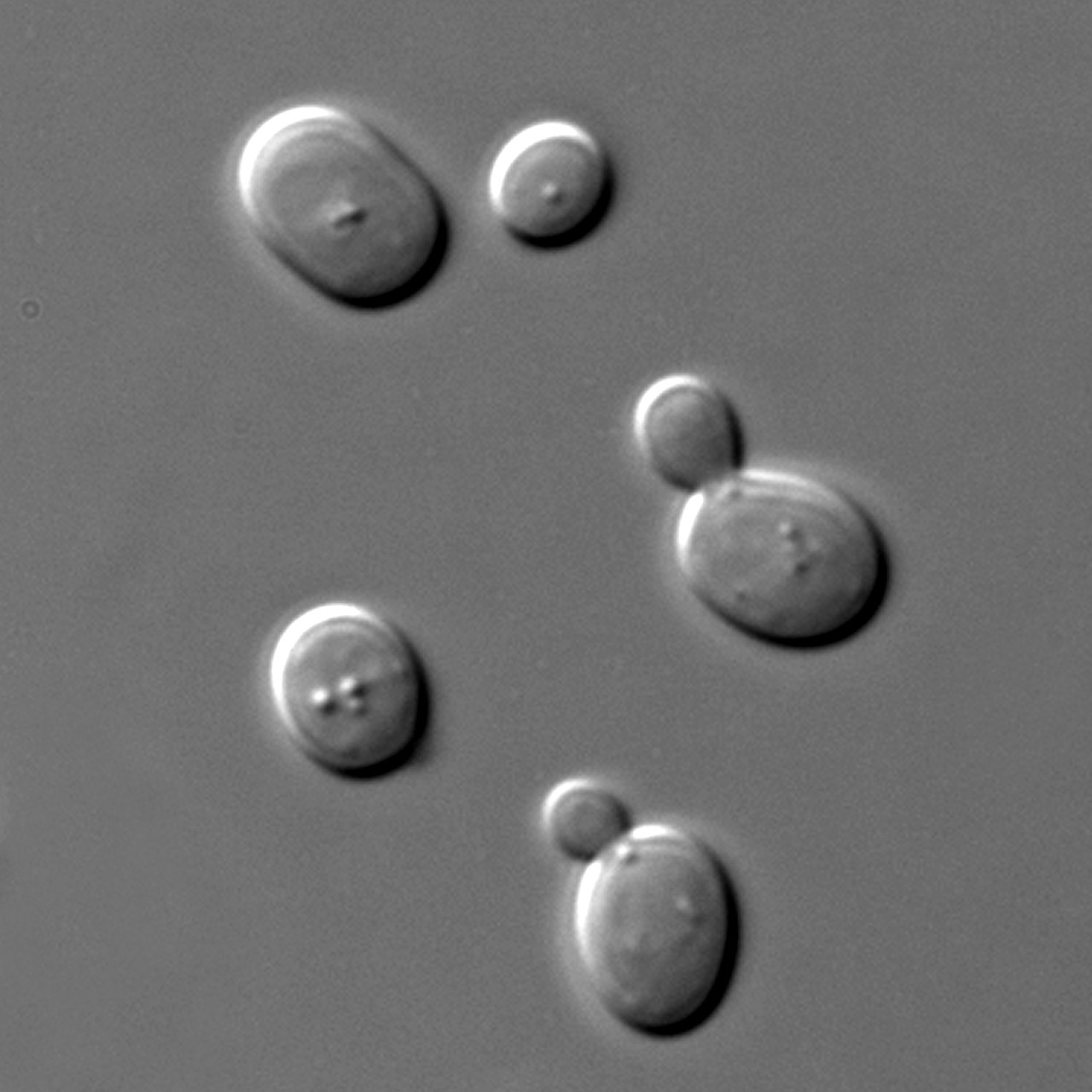
Yeasts are a diverse group of single-celled fungi commonly found in soil, plants, and on animal surfaces. They are microorganisms that range across many habitats and, by conservative estimates, include about 1,500 described species. Some yeasts are studied as model organisms because their simple cellular organization and ease of cultivation make them useful in basic research and applied science. For a general introduction see microorganisms and sources on single-celled organisms.
Image gallery
10 Images



Characteristics and life cycle
Most yeast cells reproduce asexually. The best-known mechanism is budding, where a new daughter cell forms from an outgrowth of the parent; others divide by binary fission. Several species also undergo sexual cycles under certain conditions, producing spores. Important laboratory genera include Saccharomyces and Schizosaccharomyces, each illustrating different reproductive strategies. For taxonomic details and species lists consult species resources and summaries on asexual reproduction and budding. The alternative cell-division pattern, binary fission, is discussed at binary fission.
History and traditional uses
Human use of yeast dates back thousands of years in food and drink. Strains of Saccharomyces cerevisiae have long been associated with leavened bread and fermented beverages. In baking the carbon dioxide produced during sugar consumption causes dough to rise; in brewing fermentation produces ethanol and carbon dioxide, shaping flavor and alcohol content. For basic explanations of leavening and fermentation see baking, carbon dioxide, leavening and beer. Background on alcoholic drinks and fermentation chemistry is available at alcoholic drinks and fermentation.

Yeast-derived ethanol has modern applications beyond beverages: it is a commodity chemical and one feedstock for biofuels. For the chemistry and uses of ethanol see ethanol and biofuel.
Industrial, laboratory and technological roles
Industrially, yeasts are produced and formulated as fresh (compressed) blocks or as dried granules for convenience and shelf life. 
Health, ecology and distinctions
Not all yeast are beneficial. Some species, notably in the genus Candida, are opportunistic pathogens that can cause infections in humans, especially when immune defenses are compromised. Medical summaries and pathogen guidance are available at yeast infections, human health and pathogen overviews at pathogens. Ecologically, yeasts contribute to nutrient cycling and can interact with insects and plants as mutualists or transient colonizers.
Notable facts and further reading
- Yeasts bridge traditional craftsmanship and modern biotechnology; they are central to baking, brewing and bioprocessing.
- Different species have distinct tolerances to alcohol, temperature and oxygen; strain selection influences final products.
- Common consumer forms are fresh (compressed) and dry active or instant yeast; storage and activation methods vary.
- For practical guides, strain collections and overviews consult the linked resources above and dedicated reviews at microbiology portals and manufacturer notes at supplier pages.
This article offers a concise synthesis of yeast biology, uses and relevance. For deeper technical material, laboratory protocols or clinical guidance, follow the specialized links provided in the text.
Related articles
Author
AlegsaOnline.com Yeast: single-celled fungi — biology, uses, and significance Leandro Alegsa
URL: https://en.alegsaonline.com/art/109737